When caring for aging parents at home becomes overwhelming, families face a daunting choice between long-term care hospitals and nursing homes. Little about the process feels straightforward—from selecting the right facility and navigating eligibility levels to assessing costs and managing care after admission.
To help families navigate this journey, this five-part series walks through every essential step:
Part 1: Understanding the fundamental differences between nursing homes and long-term care hospitals
Part 2: Determining the right facility based on your parent's medical condition
Part 3: Long-term care eligibility ratings, facility benefits, and out-of-pocket costs
Part 4: Identifying high-quality institutions
Part 5: Essential checks and safeguards following admission
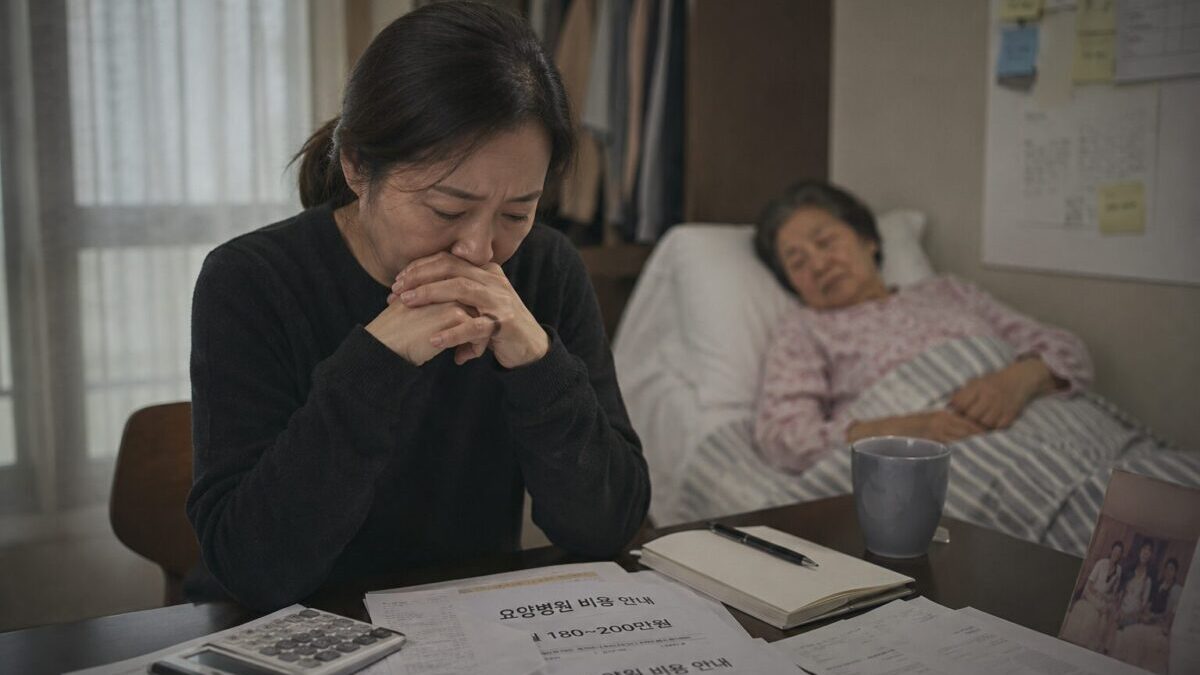
"My mother has dementia. Because I have to work, I couldn’t be with her 24 hours a day, but leaving her alone filled me with constant anxiety. After months of agonizing, I decided to look for a facility, but I didn’t even know where to begin. I found a reputable nursing home online and called. They told me, 'If you're lucky, you might get a bed in a year and a half.' I will never forget that feeling—it felt like a heavy boulder had dropped onto my chest."
Jeong Yong-jun (66, pseudonym) paused for a long moment while recounting that phone call to Komedi.com. Two years ago, Jeong decided to place his 89-year-old mother in a long-term care facility. Her dementia symptoms were worsening rapidly, making living alone unmanageable and causing frequent friction with neighbors.
Families deciding on facility care often grapple with guilt and helplessness simultaneously. Facing intense time pressure, they struggle to find clear criteria for evaluating their options. Like Jeong, many are blindsided by daunting waitlists upon their first inquiry.
The first crucial step is recognizing that nursing homes and long-term care hospitals operate under entirely different administrative and medical systems despite their similar names. Put simply, a nursing home is "a place where you reside and receive daily living support," whereas a long-term care hospital is "a medical facility where you are admitted for treatment." Because of this distinction, different insurance systems and admission procedures apply.
Nursing Homes: Daily Living Support, Not Medical Treatment
Facilities commonly referred to as nursing homes are classified as medical welfare facilities for older adults under the Welfare of Older Persons Act. Unlike hospitals, they do not require a physician to establish them; private individuals or corporate entities can open one by meeting basic facility and staffing standards and registering with local government authorities. However, for residents to receive long-term care insurance benefits, the facility must be officially designated as a long-term care institution.
Nursing homes provide meals, personal care, and assistance with daily activities for older adults who require help due to age-related conditions like dementia or stroke. Certified care workers assist with eating, bathing, dressing, mobility, and toileting. Facilities also staff social workers and nurses or nursing assistants. While full-time physicians are not on site, a contracted visiting physician conducts regular rounds to monitor residents' health. Because nursing homes are not equipped to offer specialized medical procedures or ongoing clinical treatment, residents must visit outside medical centers for specialized care and are transferred to acute-care hospitals in emergencies.
Consequently, families generally turn to nursing homes when a parent requires custodial support with daily living rather than active medical treatment. To utilize nursing home benefits under long-term care insurance, families must confirm their parent's long-term care eligibility level and verify facility benefit entitlement.

Long-Term Care Hospitals: Extended Inpatient Care and Treatment
Under the Medical Service Act, a long-term care hospital is a recognized hospital-level medical institution. These facilities are established by legally authorized entities—such as licensed physicians, doctors of Korean medicine, medical corporations, non-profit organizations, or government bodies—with official permission from regional municipal authorities.
Long-term care hospitals employ full-time medical staff, including physicians and nurses. They provide continuous medical oversight and clinical services, including prescription management, diagnostic testing, physical procedures, and active rehabilitation.
These hospitals primarily serve patients with chronic age-related conditions or individuals who have completed acute surgery or primary medical care but still require extended treatment and clinical observation. If a patient's condition deteriorates rapidly and requires emergency procedures, intensive care, or major surgery, they are transferred to an acute-care hospital.
Unlike nursing homes, admission to a long-term care hospital does not require a long-term care insurance eligibility rating; it requires a physician's clinical assessment that inpatient medical treatment is necessary. Expenses at long-term care hospitals are covered under National Health Insurance.
Determining whether Jeong’s mother is better suited for a nursing home or a long-term care hospital cannot be decided by a dementia diagnosis alone. Her overall physical stability and daily care requirements must be evaluated together.
In the next installment of this series, we will examine the specific clinical criteria used to select the right facility—factors often overlooked when relying solely on labels like dementia or impaired mobility.