For individuals suffering from chronic shoulder tendon pain, the prospect of surgery can be daunting. However, a promising non-surgical alternative using the patient's own blood is now gaining official clinical recognition. Yonsei Sarang Hospital recently announced that its autologous platelet-rich plasma (PRP) injection therapy for shoulder conditions has cleared the government's rigorous safety and efficacy review, officially designating it as a "new medical technology" under Ministry of Health and Welfare Notice No. 2026-146. This milestone designation expands the clinical application of non-surgical PRP treatments beyond knee osteoarthritis to include shoulder tendon disorders.
To prevent unproven treatments from being used indiscriminately, the Ministry of Health and Welfare officially certified the technique on July 7, following an exhaustive evaluation of existing medical literature and clinical evidence. This designation confirms that the therapy meets strict standards of safety and therapeutic efficacy for specific patient groups and standardized clinical methods.
Targeted Application for Chronic Tendinopathy and Partial Tears
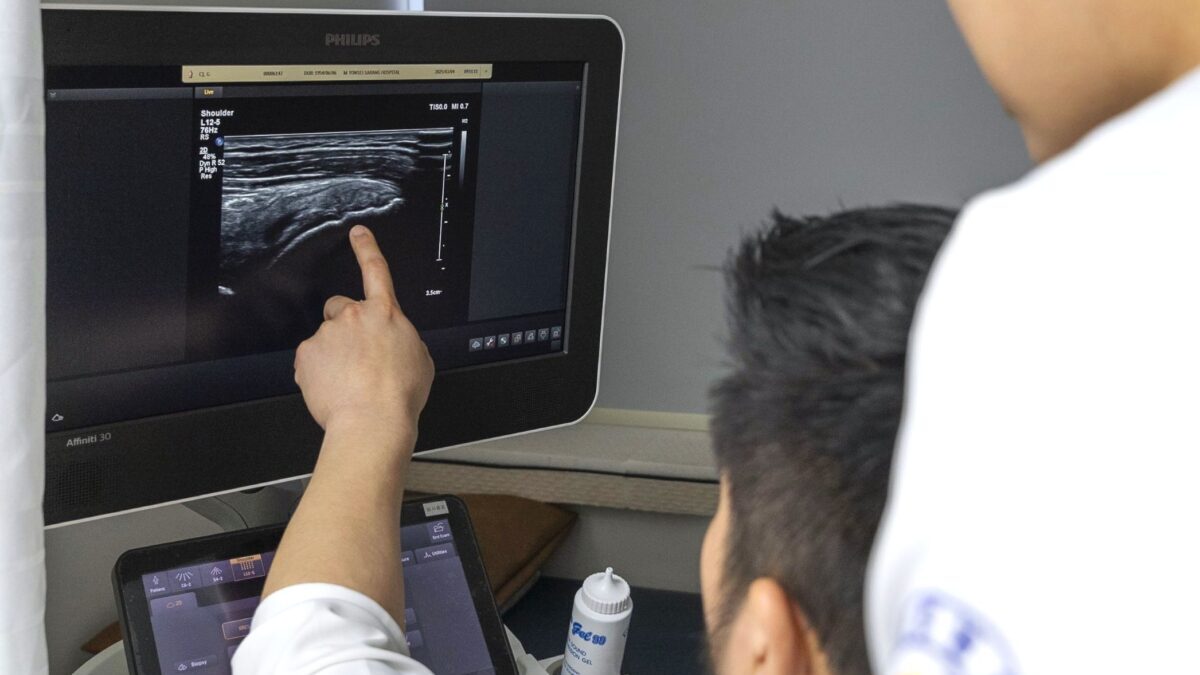
The rotator cuff is a group of four tendons that surround the shoulder joint, allowing the arm to lift and rotate. Repetitive use or age-related degenerative changes can weaken these tendons, causing persistent pain, limited mobility, and eventually partial tears. The newly approved PRP injection is specifically indicated for patients with rotator cuff tendinopathy who have not found relief through conservative treatments, such as medication and physical therapy, for at least three months. Additionally, for patients with diagnostic imaging confirming a partial rotator cuff tear, the tear must cover less than 30% of the tendon; the treatment is not indicated for full-thickness tears or extensive partial tears.
The procedure involves drawing a small amount of the patient's own blood, centrifuging it to isolate highly concentrated, platelet-rich plasma, and injecting it directly into the affected area. Under the new government guidelines, the PRP must be administered as a standalone treatment either into the subacromial bursa—the lubricating sac beneath the shoulder blade that cushions the tendon—or directly into the rotator cuff tendon itself. Rather than completely regenerating a torn tendon, the primary clinical goal of the treatment is to alleviate chronic pain and restore shoulder joint function. Clinical studies evaluated during the review process reported no serious complications or adverse side effects, with post-injection soreness remaining well within the normal limits of standard injection procedures.
Expanding the Frontiers of Autologous Biologics
Having already established a strong clinical track record utilizing PRP therapy for knee osteoarthritis, Yonsei Sarang Hospital is now poised to bring this advanced, blood-derived treatment model to shoulder care. By integrating shoulder PRP into its existing specialized portfolio—which includes knee PRP and autologous adipose-derived stromal vascular fraction (SVF) injections for mid-stage knee osteoarthritis—the hospital is building a highly tailored, non-surgical treatment system designed around the specific site of joint and tendon injuries.
However, medical experts emphasize that PRP therapy is not a one-size-fits-all replacement for surgical intervention. In the early stages of shoulder pain, conservative measures like physical therapy, rehabilitation exercises, and medication remain the first line of defense. Clinicians should only consider PRP therapy after a comprehensive evaluation of the patient's tear size, muscle strength loss, and overall functional limitations. For patients with extensive tendon damage or severe functional decline, surgical repair remains the standard of care.
"The recognition of shoulder PRP injection therapy as a new medical technology is highly significant because it extends the clinical evidence for blood-derived, non-surgical treatments from the knee to the shoulder," said Ko Yong-gon, director of Yonsei Sarang Hospital. "Drawing on our accumulated clinical expertise and evidence-based research, we are committed to providing precise, non-surgical treatment options customized to each patient’s unique joint health."