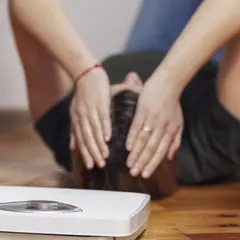
Imagine a moment when your surroundings suddenly start spinning, and a wave of dizziness hits so hard that it becomes difficult to even keep your eyes open. During the summer, as outdoor activities and temperatures rise, more people experience these sudden episodes of vertigo. When this happens, understanding the underlying cause is key to finding relief.
One of the most common culprits behind recurrent, posture-triggered spinning vertigo is benign paroxysmal positional vertigo (BPPV). This condition occurs when tiny "stones" within the inner ear shift out of place. Recognizing the hallmarks of BPPV is the first step toward effective treatment and daily management.
How Out-of-Place 'Ear Stones' Trigger Sudden Vertigo
BPPV develops when otoconia—microscopic calcium carbonate crystals that help track balance in the inner ear—become dislodged and migrate into the fluid-filled semicircular canals. As these tiny crystals shift with head movement, they disrupt the normal flow of fluid, sending conflicting signals to the brain about the body's actual motion. This sensory mismatch triggers a sudden, intense sensation of spinning.
Symptoms are typically positional, flaring up when rolling over in bed, sitting up, bending down, or looking upward. While these episodes of intense vertigo are brief—usually lasting anywhere from a few seconds to less than a minute—their unpredictable, recurrent nature can significantly disrupt daily life and limit physical activity.
While BPPV can affect anyone at any age, it is most common in women after middle age. As the body ages, the balance organs in the inner ear undergo structural changes. Clinical studies have increasingly pointed to a link between postmenopausal hormonal shifts, declining bone mineral density, and the degradation of otoconia. Furthermore, vitamin D deficiency and osteoporosis have been associated with a higher risk of recurrent BPPV. For those experiencing frequent dizziness, checking bone health and nutritional status alongside ear health can be highly beneficial.
Summer Risks, Stroke Red Flags, and the Right Treatment
Summer often brings an increase in BPPV complaints, particularly during water sports or recreational activities like water slides, where head positions change rapidly and abruptly. While heat and dehydration do not directly cause BPPV, low fluid intake and seasonal fatigue can make the physical distress of vertigo feel much more severe. It is important to stay adequately hydrated and rested, rather than dismissing recurrent spinning sensations as simple heat exhaustion.
Crucially, patients must be able to distinguish BPPV from more serious neurological events like a stroke. True BPPV is strictly positional, triggered by turning the head, and generally subsides once the body remains still. In contrast, if dizziness is accompanied by neurological red flags—such as numbness or paralysis in the face, arms, or legs, slurred speech, a sudden, severe headache, or double vision—it should be treated as a medical emergency.
Fortunately, the primary treatment for BPPV does not involve long-term medication. Instead, it relies on physical therapy techniques known as canalith repositioning procedures, most notably the Epley maneuver. These guided head and body movements use gravity to naturally guide the dislodged crystals back to their original chamber in the inner ear. If symptoms persist or recur, securing an accurate clinical diagnosis and managing underlying risk factors like vitamin D levels and bone density remain the most effective path to long-term recovery.