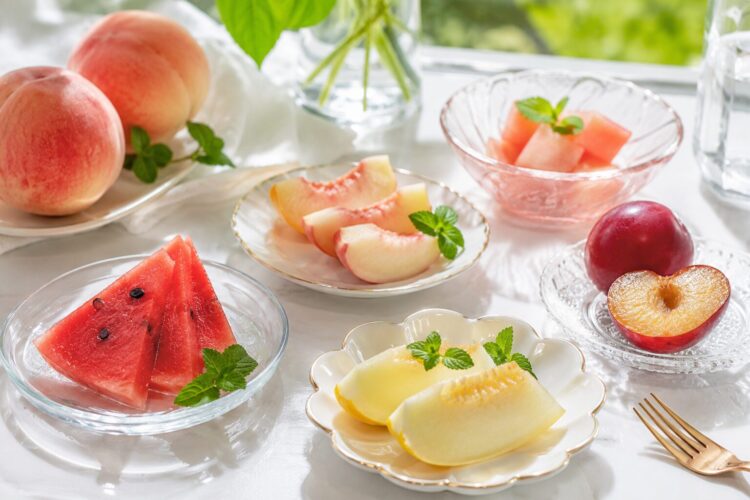
During the sweltering heat of summer, nothing feels more refreshing than a slice of cool, sweet fruit to recharge your energy. Yet, for many people on a weight-management journey, this seasonal indulgence triggers immediate anxiety: Won’t the high sugar content cause me to pack on pounds? Clinical nutritionists say that when eaten strategically, summer fruits can actually become powerful dietary assets. By understanding their specific nutritional profiles, you can leverage their high water and fiber contents to boost satiety, curb cravings for processed sweets, and actively support your weight-loss goals.
Maximizing the Nutritional Powers of Seasonal Fruits
Watermelon: Consisting of more than 90% water and containing just 30 kcal per 100 grams, watermelon carries a significantly lower caloric burden than typical processed snacks of the same volume. Its high fluid content physically fills the stomach, signaling fullness to the brain and making it much easier to cut back on high-calorie treats later in the day. It also serves as an excellent natural rehydration aid after outdoor workouts. While watermelon possesses a relatively high glycemic index (GI), its glycemic load (GL)—which measures how a typical single serving affects blood glucose—is quite low. Consuming a controlled portion of 200 to 300 grams at a time is perfectly safe and highly beneficial for a diet.
Korean Melon (Chamoe): With a low caloric density of roughly 31 kcal per 100 grams, the Korean melon is an ideal summer diet staple that quenches thirst and dampens hunger simultaneously. It is exceptionally rich in potassium, a critical mineral that encourages the body to excrete excess sodium, making it highly effective at reducing the physical bloating and swelling often triggered by salty summer meals. The fruit's abundant dietary fiber expands in the digestive tract to prevent overeating at subsequent meals. Notably, much of this fiber and nutrient density is concentrated in the placenta surrounding the seeds; as long as the melon is washed thoroughly, eating this sweet inner portion maximizes your nutritional intake.
Peaches: Peaches are packed with water and soluble dietary fiber, specifically pectin. Pectin functions by slowing down gastric emptying, which physically prolongs the sensation of fullness. Furthermore, because the firm texture of a fresh peach demands more chewing, it naturally downshifts your eating pace, giving your body's satiety hormones adequate time to register that you are full. Because the skin contains the highest concentrations of structural fiber and antioxidant polyphenols, washing the fruit well and eating it whole yields the greatest health rewards. Swapping out sugary processed desserts for a fresh peach can drastically lower your daily caloric ceiling.
Plums: Plums are another standout summer option loaded with dietary fiber and potent antioxidants like anthocyanins and polyphenols. Because these protective plant compounds are heavily concentrated in the pigment of the skin, plums should always be consumed unpeeled. The natural fiber supports a healthy gut microbiome while maintaining stable satiety levels. Because plums deliver an intense burst of natural sweetness in a small package, even a single fruit can completely satisfy a stubborn sugar craving, making them a premier substitute for cookies or pastries. However, because they are small and easy to overeat absentmindedly, capping your intake at two to three plums per serving is recommended.
The Power of Protein Pairing
To truly maximize the metabolic benefits of summer fruit, consider pairing it with a high-quality protein source such as Greek yogurt, boiled eggs, cottage cheese, or unsweetened soy milk. This pairing instantly elevates the nutritional balance of your meal or snack. Protein significantly delays gastric emptying, which serves a dual purpose: it smooths out any potential post-meal blood sugar spikes and extends your satiety window for hours.
Additionally, ensuring adequate protein intake during a caloric deficit prevents the body from breaking down lean muscle mass, ensuring that your weight loss comes primarily from fat tissue. Incorporating a fruit-and-protein pairing into your breakfast routine or utilizing it as a post-workout recovery snack allows you to effectively manage body fat while staying completely satisfied throughout the heat of summer.