Even if you strictly follow a nutrient-rich regimen like the Mediterranean diet, regularly consuming ultra-processed foods (UPFs) may completely undermine your efforts to protect your brain.
According to a recent joint study by Monash University and Deakin University in Australia, alongside the University of São Paulo in Brazil, high intake of ultra-processed foods is directly linked to accelerated cognitive decline and an elevated risk of dementia. The findings, which analyzed data from 2,192 dementia-free adults aged 40 to 70, were published in the international journal Alzheimer’s & Dementia: Diagnosis, Assessment & Disease Monitoring.
Ultra-processed foods are industrially manufactured products made primarily from refined ingredients and chemical additives, leaving minimal room for whole, natural foods. This category includes processed meats, packaged snacks, sodas, and ready-to-eat convenience meals. Driven by aggressive food industry marketing and a global shift toward convenience, UPFs now account for more than half of the total dietary intake in several high-income nations—climbing to roughly 55% in the United States and 42% in Australia. While these products extend shelf life and appeal to taste buds, their heavy consumption is already linked to more than 30 physical health conditions, including cardiovascular disease, type 2 diabetes, and obesity.

Measuring the Impact on Brain Health
To evaluate the neurocognitive toll of these foods, researchers measured the participants' brain health using the Cogstate Brief Battery (CBB), a 10-to-15-minute digital tool that tests attention, visual learning, working memory, and psychomotor function. They also calculated comprehensive dementia risk using the CAIDE tool, which factors in age, education, body mass index (BMI), blood pressure, cholesterol, smoking status, and physical activity. Dietary habits were categorized using the globally recognized NOVA system, which groups foods into four tiers based on their level of industrial processing.
The statistical analysis revealed a sobering trend: for every 10% increase in ultra-processed food intake, cognitive scores dropped by 0.05 points, while overall dementia risk scores rose by 0.24 points. This decline manifested primarily as diminished attention span and sluggish mental processing speeds.
Crucially, the study highlighted that this cognitive decline and heightened dementia risk remained entirely unchanged even among individuals who otherwise maintained high-quality, health-conscious diets. In short, pairing a fast-food meal or sugary soda with a healthy salad does not neutralize the neurological risks associated with UPFs. Interestingly, the researchers noted that memory scores were not immediately affected. This suggests that a diet heavy in UPFs can quietly erode core cognitive faculties well before a person notices obvious symptoms like memory loss.
Why Industrial Processing Harms the Brain
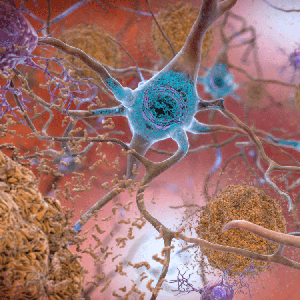
The research team pointed to several overlapping mechanisms driving this neurological decline. First, the aggressive refinement involved in ultra-processing systematically strips away essential vitamins, minerals, and natural, neuroprotective phytochemicals. Second, the manufacturing process introduces chemical contaminants that can negatively impact brain function. These include bisphenols migrating from packaging materials, phthalates leaking from plasticizers, and acrylamide, a chemical byproduct generated during high-temperature industrial cooking.
Additionally, UPFs fuel metabolic conditions such as hypertension, diabetes, and hyperlipidemia. Globally, these chronic diseases are intertwined with approximately 12% of all dementia cases, meaning individuals struggling with metabolic dysfunction face a much higher statistical probability of developing cognitive disorders.
The researchers concluded that food processing levels have a distinct, quantifiable impact on brain aging. They emphasized that future public health guidelines must evolve to evaluate diets not just by their basic nutrient profiles, but by their degree of industrial processing.
This growing scientific consensus aligns with a hardening regulatory stance in the United States. U.S. Health and Human Services (HHS) Secretary Robert F. Kennedy Jr. has aggressively campaigned against ultra-processed foods, famously labeling them as "poison." This critical view of industrial food processing is directly reflected in the 2025–2030 Dietary Guidelines for Americans, which implemented tighter national standards upon its release on January 7.