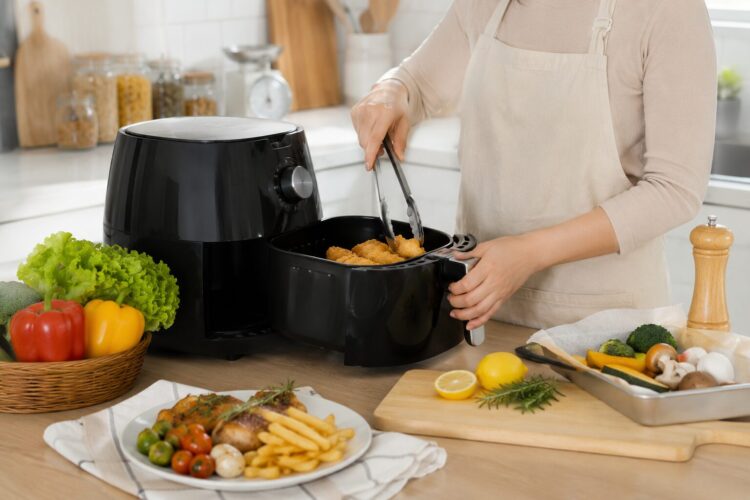
With less oil and effortless preparation, air fryers have become an essential appliance in virtually every modern home. While many people purchase them to pursue a healthier diet, unexpected safety and health issues can arise depending on how the unit is operated. Experts emphasize that the sheer convenience of the appliance makes it even more important to understand safe operation and maintenance practices.
The Fire Risks of Misused Parchment Paper
Parchment paper is often treated as an indispensable air fryer accessory, but it requires proper handling. Preheating the unit with only parchment paper inside—without any food to weigh it down—or using it for extended periods above recommended temperatures creates a severe hazard. The lightweight paper can easily be sucked upward into the exposed heating element, where it can scorch and ignite. South Korea's National Fire Agency has cited the careless use of parchment and baking paper as a leading cause of kitchen appliance fires.
Blocking air circulation inside the basket presents another operational issue. Covering the entire bottom of the basket without leaving any gaps prevents hot air from circulating properly, resulting in unevenly cooked food. To ensure safety, consumers should use parchment paper sized exactly to the food and only place it in the basket when ingredients are resting on top. Perforated parchment paper designed specifically for air fryers has also become a popular, safer alternative.
Over-Crisping and the Threat of Acrylamide
Cooking starchy foods like french fries, bread, and frozen items at excessively high temperatures for too long can significantly increase the formation of acrylamide. Acrylamide is a chemical compound that naturally forms when starchy ingredients are cooked at temperatures above 120°C. The International Agency for Research on Cancer (IARC) classifies acrylamide as a Group 2A probable human carcinogen.
While everyday dietary intake alone is not enough to definitively cause health problems, experts advise against cooking food until it turns black. It is best to stop cooking when food reaches a light golden-brown hue and to discard any burnt portions. For fresh potatoes, soaking them in water for 15 to 30 minutes before cooking removes excess surface starch, which can help minimize acrylamide formation.
Managing Damaged Coatings and PFAS Concerns
Most air fryer baskets feature a nonstick coating on their interior surfaces. If this coating becomes heavily scratched or begins to peel, continuing to use the basket over a long period is discouraged, and consumers should consider replacing it. A growing number of users are also checking whether their appliances utilize per- and polyfluoroalkyl substances (PFAS), chemicals often found in traditional nonstick coatings that raise environmental and health concerns.
While not all coated products are inherently hazardous, strictly following the manufacturer’s safety guidelines and usage instructions is critical. Using metal scouring pads or metal utensils can accelerate damage to the protective layer, so cooks should stick to soft silicone utensils and nonabrasive sponges during cleaning and food preparation.
The Hidden Impact on Indoor Air Quality
Repeatedly air-frying high-fat foods, such as pork belly or frozen fried items, can generate substantial smoke and ultrafine particles. In enclosed spaces, indoor air quality can deteriorate rapidly, making thorough ventilation essential during operation. Especially in compact kitchens or studio apartments, turning on an exhaust fan and opening a window simultaneously should become a standard habit. Additionally, allowing old grease to accumulate in the drip tray can cause burnt odors and excess smoke, meaning the basket should be washed immediately after each use.
Unlocking True Health Benefits Through Whole Foods
Finally, using an air fryer solely for frozen fried foods and highly processed items limits its health benefits. Nutritionists recommend diversifying the appliance's use by cooking lean proteins and vegetables, including chicken breast, fish, tofu, mushrooms, and broccoli. Lightly tossing broccoli, bell peppers, and onions in olive oil and herbs before roasting delivers both excellent nutrition and flavor, while omega-3-rich fish like salmon and mackerel can be prepared quickly and cleanly.