The ambulance had not even pulled away when the patient’s cervix began dilating rapidly. Medical staff at Suwon St. Mary’s Women’s Hospital were preparing to transfer a high-risk patient showing signs of preterm labor to a nearby university hospital. Worried about the mother’s deteriorating condition, the hospital director rushed out to board the vehicle, only to hear a frantic shout from inside: “Director, I can see the baby’s feet right now!”
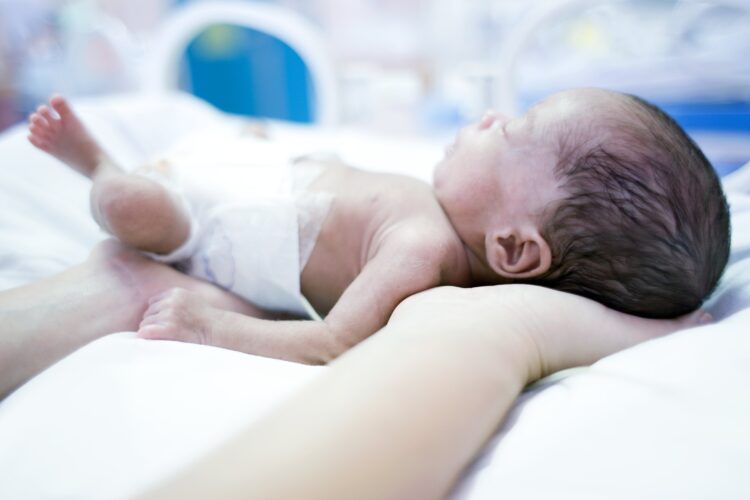
The transfer was immediately aborted. Proceeding would have put both the mother and the premature infants at extreme risk inside a moving vehicle. Rushed directly into the delivery room, the twins—at just 30 weeks’ gestation—were delivered safely via vaginal birth. Both mother and infants emerged completely healthy. This intense emergency unfolded shortly after the hospital first opened its doors in July 2016. Today, exactly ten years later in July 2026, those same twins have grown into healthy elementary school students.
“Hospitals like ours constantly face emergencies that can strike at any moment,” recalls Kim Dong-ju, director of Suwon St. Mary’s Women’s Hospital. “But every time our staff pull together to protect a life and a family, we feel an immense sense of pride. It reminds me why I chose this path.”
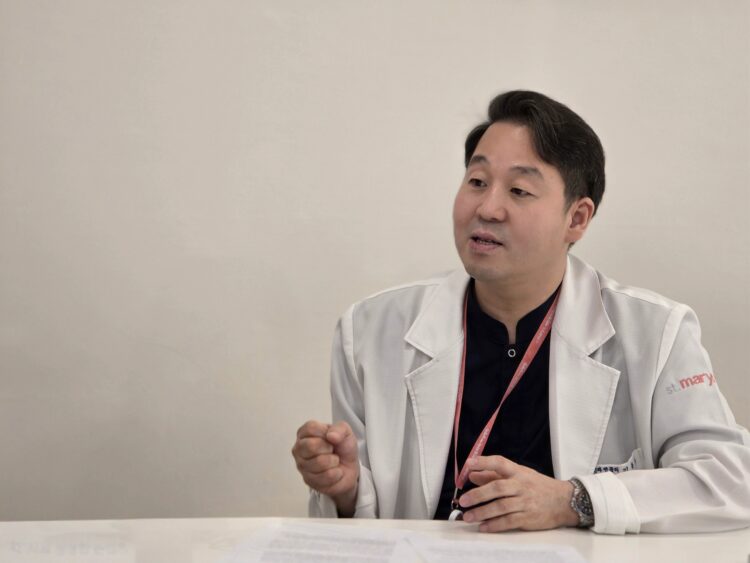
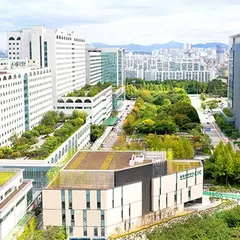
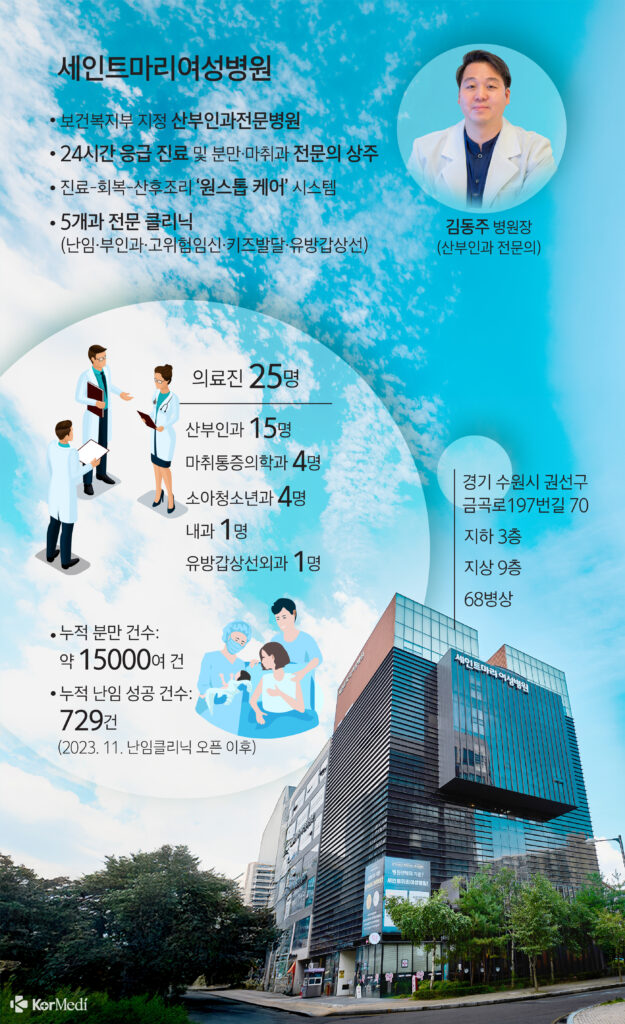
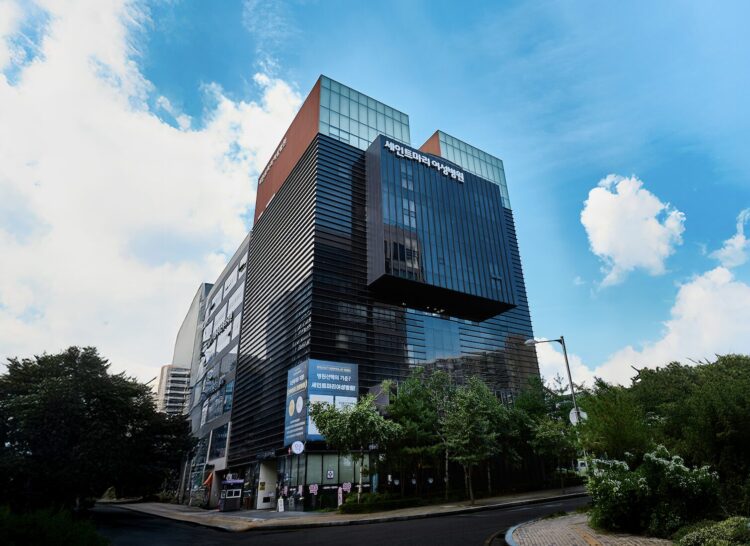
Over the past decade, the hospital has repeatedly faced similar life-and-death crises. Operating with the mindset of a dedicated secondary-care facility determined to hold the line locally, its specialists in obstetrics, gynecology, and anesthesiology keep the delivery room lights burning 24 hours a day, including nights and holidays. As low birthrates and severe staffing shortages in essential medical services hollow out regional childbirth infrastructure across South Korea, Suwon St. Mary’s has built a comprehensive local safety net. Spanning infertility treatment, prenatal care, 24-hour emergency deliveries, and specialized postpartum care, the facility draws expectant mothers from across southern Gyeonggi Province—including Suwon, Hwaseong, and Uiwang—who seek top-tier care close to home without traveling to major medical centers in the Bundang area.
This clinical capability earned formal government recognition in 2025, when the Ministry of Health and Welfare designated it as an official obstetrics and gynecology specialty hospital—one of only 11 such specialized medical institutions nationwide.
A Legacy of Commitment and a Unique Four-Director System
Director Kim Dong-ju graduated from the Catholic University of Korea College of Medicine, completing his residency and fellowship at Seoul St. Mary's Hospital. His decision to specialize in high-risk pregnancies and childbirth was profoundly shaped by his father, Kim Su-pyeong. A former emeritus professor at the Catholic University College of Medicine, the senior Kim is widely regarded as one of South Korea's first-generation pioneering OB-GYN specialists. Growing up, the younger Kim watched his father rush out into the night whenever an emergency call rang. As a college student, he even acted as his father's late-night driver to the emergency room.
“When I was young, it was just fascinating,” Kim Dong-ju notes. “I followed him around without realizing how grueling the work actually was. Looking back, my father was always running to usher in a new life. I realized it was an incredible, deeply responsible calling.” His father taught him to put patients first unconditionally, advising him to make patient rounds at least ten times a day—checking in at morning, lunch, dinner, and right before leaving the hospital.
While the intense workload initially gave him pause during his internship, Kim Dong-ju chose to follow his father's footsteps. However, he deliberately bypassed the traditional university hospital track, believing that frontline primary- and secondary-care facilities are vital to keeping the broader medical system functional. “I worked as a salaried physician at the highest-volume OB-GYN clinic in Suwon,” he says. “I quickly noticed that many expectant mothers were traveling long distances because they lacked adequate delivery options in western Suwon, Hwaseong, and Uiwang.”
Despite Suwon's young demographic, a lingering low birthrate and a shortage of essential medical personnel forced nearby clinics to shut down their labor wards or close entirely. When Kim Dong-ju announced his intention to open a 24-hour emergency delivery hospital in the area, colleagues tried to dissuade him, warning that it would be financially unsustainable and deeply exhausting. Driven by the lesson of his father, he pushed forward, prioritizing a reliable medical safety net over immediate profits.
To build this vision, he partnered with trusted colleagues from his alma mater. Together with fellow OB-GYN specialists Kim Ki-beom and Jang Dong-gyu, along with anesthesiology and pain medicine specialist Son Ho-jung, they established a unique four-director leadership model. “Our hospital is entirely unique because an anesthesiology specialist serves directly as a co-director,” Kim Dong-ju explains. “Childbirth requires a comprehensive team that can react within seconds, an anesthesiologist on permanent standby, and infrastructure operating 24/7, 365 days a year. The sheer volume of manpower required for a single delivery is substantial.”
While financial pressures have driven most delivery hospitals to close their doors, Suwon St. Mary's continues to hold the line. When highly complex cases arise, the hospital leverages its network of clinical cooperation agreements, seamlessly transferring patients to nearby tertiary institutions like St. Vincent’s Hospital.
Holistic Patient Care and Guarding the Value of Life
While obstetrics remains its primary anchor, the hospital operates five highly specialized clinics covering gynecology, high-risk pregnancy, infertility, child development, and breast and thyroid care. Its integrated "one-stop care" system—which manages everything from initial treatment to delivery and postpartum recovery under one roof—consistently receives high praise from patients. In fact, the hospital's attached postpartum care center remains continuously fully booked.
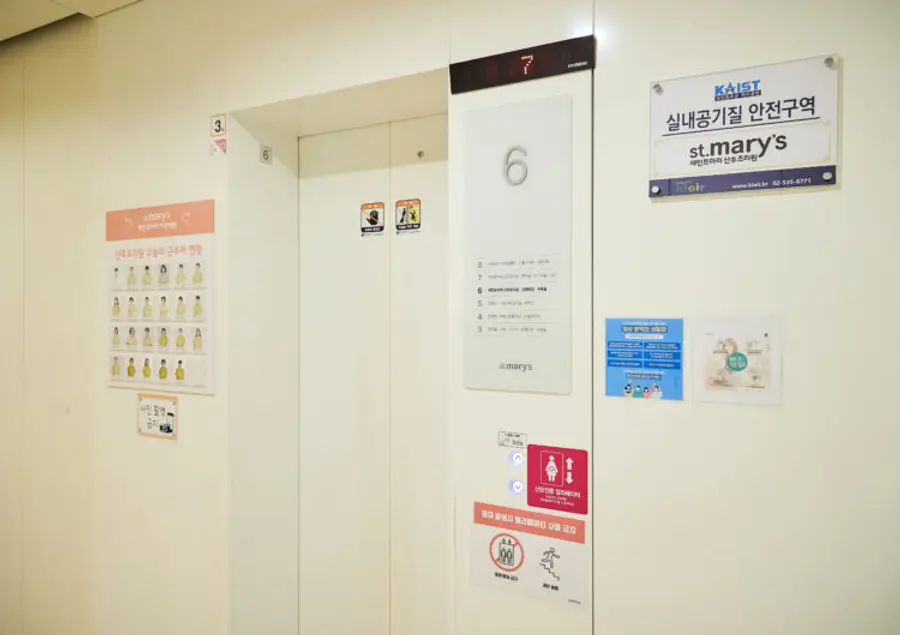
Unlike independent postpartum centers, which are legally classified as neighborhood commercial facilities and can sometimes lag in clinical infection control, Suwon St. Mary's treats the center with rigorous medical scrutiny. Mothers can transition from the hospital to the care center via a dedicated elevator without ever leaving the building. The facility features touchless elevator controls and advanced air-shower systems at the entrances of the operating rooms, delivery suites, and the postpartum center, mimicking the sterile environment of a semiconductor plant. “Because newborns and postpartum mothers have highly vulnerable immune systems, intensive infection control is paramount,” Kim Dong-ju stresses.
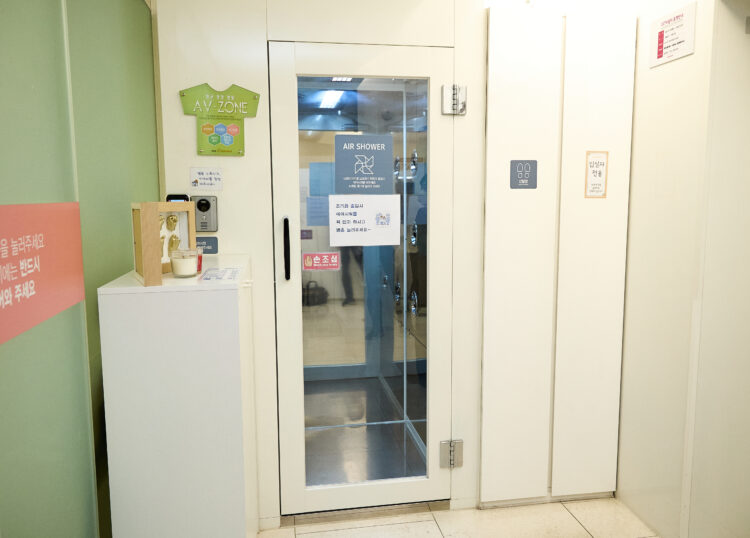
This technical precision is balanced by an emphasis on personal connection. Patient reviews frequently highlight the genuine kindness of the staff. The hospital runs active prenatal yoga classes, regular prenatal concerts, and film festivals to support parents through their pregnancy journey. For mothers planning a vaginal delivery, a dedicated midwife consults with them one-on-one beforehand, while anesthesiologists personally walk patients through the surgical protocol prior to a C-section. “In essential healthcare, face-to-face communication is irreplaceable,” says Kim Dong-ju. “The time spent addressing worries and answering questions in person with a doctor is infinitely more valuable than any information found on YouTube or ChatGPT.”
This commitment extends to the broader community. The hospital regularly donates to low-income, multi-child families and single-mother households, and maintains an active partnership with the Suwon West Police Station to provide accessible healthcare to multicultural families.
According to Statistics Korea, South Korea saw just 254,500 births in 2025, with the total fertility rate hitting a global low of 0.8. Reflecting on his training in the 1990s when doctors joked that annual births would never drop below 400,000, Kim Dong-ju admits the current demographic cliff is stunning. “Yet, as fewer babies are born, doesn't that mean each individual life becomes infinitely more precious?” he asks. Despite low delivery fees, a systemic avoidance of essential medical fields, and persistent staffing shortages, he remains hopeful. “Pregnancy and childbirth are fundamental processes of human life that AI cannot replace. We must keep moving forward with purpose.”
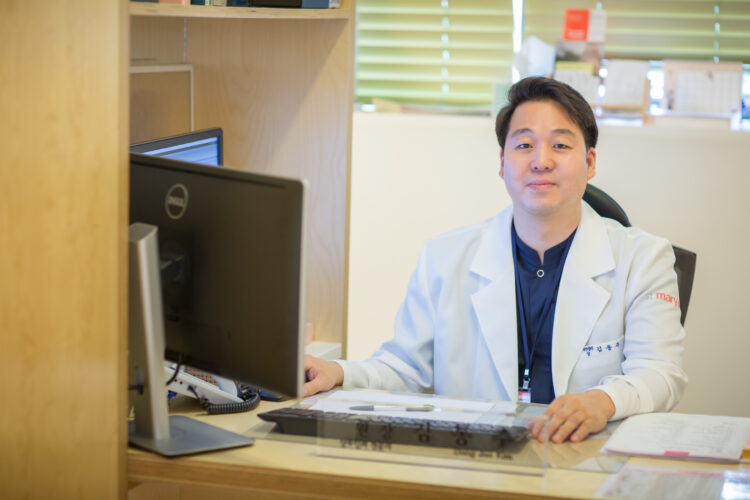
As Suwon St. Mary’s Women’s Hospital celebrates its 10th anniversary in July 2026, it looks back on a legacy of 15,000 successful deliveries. When asked about the hospital's future, Kim Dong-ju points straight back to the basics: “Our absolute, unconditional value is the health and well-being of our patients, mothers, and babies. It is a foundational task, and the hardest one to practice consistently. But our core values have never shifted from day one. We simply want to be a hospital that keeps doing what we do, and keeps doing it exceptionally well.”