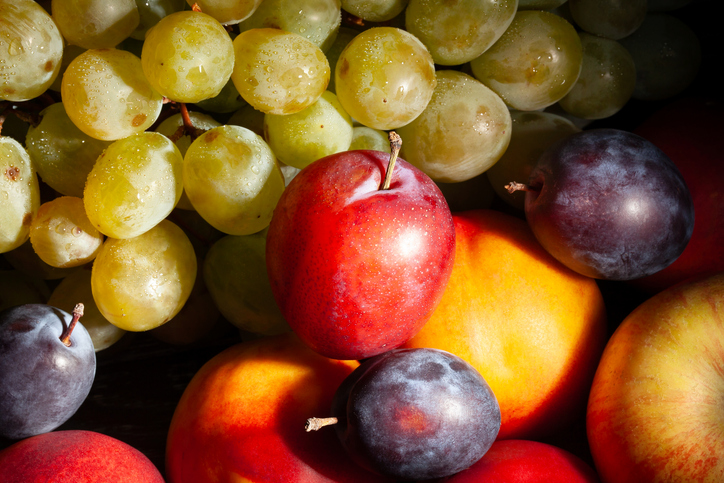
When rinsing popular summer fruits like plums, grapes, and blueberries, you might notice a chalky, white powdery film coating the skin. While it is easy to mistake this film for pesticide residue or accumulated dust, it is actually an entirely natural substance known as "bloom." This organic coating is produced by the fruit itself as a vital defense mechanism against the outside environment.
This waxy layer plays an essential role in the lifecycle of the fruit by preventing moisture loss and shielding the delicate skin from external microorganisms. Furthermore, a prominent bloom acts as an excellent visual indicator of quality and freshness. Because the delicate film is easily rubbed off, an intact coating proves the fruit has been handled carefully during harvesting and distribution, meaning it has stayed relatively fresh.
Distinguishing Natural Bloom from Contaminants and Mold
It is completely understandable to feel hesitant about eating fruit with a visible film when you consume the skin directly. Fortunately, consumers can easily distinguish natural bloom from chemical pesticides or mold with the naked eye. On plums and grapes, bloom manifests as a thin, uniform layer distributed evenly across the entire surface. In contrast, chemical pesticide residues usually dry unevenly, leaving behind telltale streaks where liquid droplets evaporated or localized, patchy stains.
Similarly, high-quality blueberries coated in healthy bloom will display a consistent, whitish-blue cast and feel completely firm and dry to the touch. Spoilage or mold presents a completely different texture: moldy berries typically appear shriveled, overly soft, damp, or covered in a fuzzy, thread-like growth.
Because removing this protective layer accelerates decay, it is best to leave the bloom intact and wash your fruit immediately before eating. For plums, a gentle rub with your fingertips under cold running water is sufficient. To maximize shelf life during storage, thoroughly remove any surface moisture, place them in an airtight container, and keep them inside your refrigerator’s produce drawer.
Blueberries require a brief, gentle rinse under running water for approximately 15 to 20 seconds. Prolonged exposure can cause water to penetrate the fruit, which softens the flesh and dilutes its natural sweetness. If you wash blueberries but do not plan to eat them right away, thoroughly pat them dry with a kitchen towel and spread them out in an unsealed container in the refrigerator, or seal them tightly and store them in the freezer.
Grapes follow a similar rule, keeping longer when stored with the bloom intact until just before eating. Washing them well ahead of storage introduces excess moisture that can cause them to spoil and rot faster. When you are ready to serve them, rinse the bunches lightly under running water. If needed, a light dusting of baking soda or salt can be gently rubbed over the grapes to clean the skins before a final rinse. If you happen to wash more than you plan to eat at once, simply remove the excess moisture and refrigerate them in a breathable bag or a ventilated container.