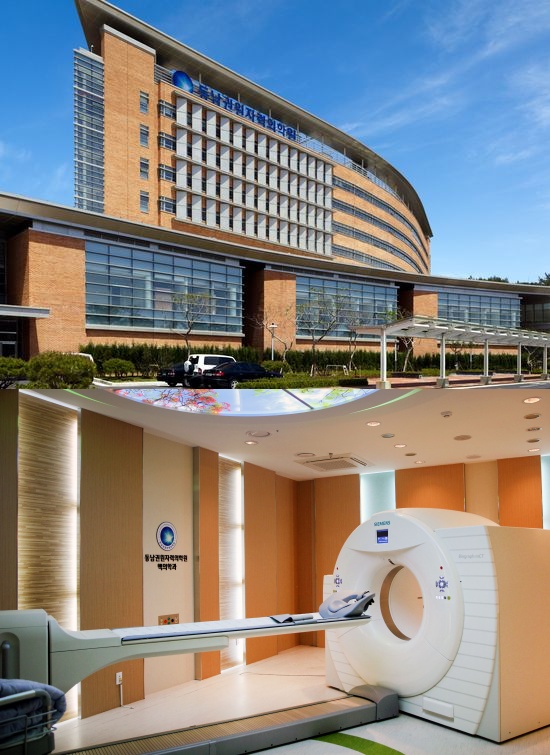
Following a cancer diagnosis, patients and their families almost invariably ask the same urgent question: “How far has the cancer spread?” Because tumor size alone is rarely enough to determine whether a patient is a candidate for immediate surgery, requires neoadjuvant chemotherapy, or is experiencing a recurrence, oncologists rely heavily on advanced imaging. Among the most definitive tools in modern nuclear medicine is the PET/CT scan.
Positron emission tomography-computed tomography (PET/CT) is widely utilized to establish cancer staging, identify hidden metastases, evaluate how well a tumor is responding to treatment, and catch early signs of recurrence. In clinical practice, standard FDG PET/CT scans are deployed across a broad spectrum of malignancies—including lung, breast, colorectal, and lymphoma cancers—to map precisely where a tumor is located and evaluate the ongoing efficacy of therapeutic interventions.
Recent advancements have introduced even more specialized imaging agents. PSMA PET/CT, for example, represents a major leap forward in prostate cancer care by detecting recurrent lesions and microscopic metastases that conventional imaging frequently misses. Its clinical adoption is growing rapidly due to its superior sensitivity in tracking biochemical recurrence and staging high-risk patients. Similarly, Ga-68 DOTA-TOC PET/CT scans are transforming the management of rare neuroendocrine tumors by precisely identifying obscure lesions and allowing medical teams to construct highly tailored treatment strategies.
Bridging Diagnosis and Targeted Treatment via Theranostics
The Dongnam Regional Nuclear Medicine Institute, led by President Jeong Seung-pil, has successfully built and fully operationalized a specialized, PSMA-based radiopharmaceutical diagnostic and treatment infrastructure for prostate cancer. By utilizing PSMA PET/CT to confirm whether a patient's tumor expresses the specific target receptor, the institute can seamlessly transition eligible individuals with advanced prostate cancer to Pluvicto, a cutting-edge lutetium-177 PSMA radiopharmaceutical therapy.
The institute is replicating this high-precision approach in the neuroendocrine tumor field, utilizing Ga-68 DOTA-TOC PET/CT to map out lesions and expanding the clinical foundation necessary to deliver targeted radiopharmaceutical therapies in the near future.
This dual-action methodology is known as "theranostics"—a paradigm that pairs high-precision diagnostics with micro-targeted radiopharmaceutical treatments designed to seek out and destroy cancer cells while sparing the surrounding healthy tissue. Nuclear medicine specialists are watching the development of theranostics closely, as it maximizes therapeutic impact while drastically reducing systemic side effects.
High Efficiency Ranks Institute Second Nationwide in Utilization
The institute's rapid integration of these advanced protocols is reflected in its high utilization rates. An internal analysis of nationwide nuclear medicine statistics from 2025, which factored in both total bed capacity and active PET/CT machinery, revealed that the institute ranks second in South Korea—surpassed only by the National Cancer Center—in the number of exams performed per PET/CT unit and per bed.
Crucially, the institute noted that out of all the PET/CT scans performed over the past year, only about ten cases were conducted for routine health-screening purposes. The overwhelming majority were ordered to investigate potential metastasis after an initial diagnosis and to guide active cancer treatment plans.
By specific examination type, F-18 FDG PET/CT was the most frequent procedure with 1,053 cases. Meanwhile, the prostate cancer-specific Ga-68 PSMA-11 PET/CT was performed 158 times, alongside a steady volume of specialized Ga-68 DOTA-TOC PET/CT scans for neuroendocrine tumors.
"Because our institute cares for a remarkably high proportion of oncology patients, the share of PET/CT exams dedicated to vital cancer staging, treatment planning, and recurrence tracking is overwhelmingly high," said Cheon In-guk, head of the Department of Nuclear Medicine, on June 19. "By securing advanced nuclear medicine capabilities—such as PSMA PET/CT and Pluvicto therapy for prostate cancer, alongside DOTA-TOC PET/CT for neuroendocrine tumors—patients residing in the Busan, Ulsan, and South Gyeongsang region can now access world-class precision medicine without the burden of traveling to the Seoul metropolitan area."