As summer temperatures climb, the natural instinct for most home cooks is to move all fresh ingredients straight into the refrigerator to prevent premature spoiling. However, cold storage is far from a universal shield against rot. For several common fruits and vegetables, exposure to excessively low temperatures halts the ripening process, degrades delicate textures, and permanently dulls natural aromas and flavors.
To get the most out of your groceries this season, keep these six household staples at room temperature.
Onions
Whole onions thrive in cool, dark, and well-ventilated spaces. Storing them in a mesh bag or an open basket allows essential air circulation, keeping them firm and fresh for an extended period. However, the rules change once they are prepared: once an onion is peeled or sliced, its moisture evaporates rapidly and it becomes highly vulnerable to bacterial contamination. At that stage, it must be sealed in an airtight container and placed in the refrigerator.
Potatoes
Potatoes should be kept in a cool environment completely out of direct sunlight. When subjected to the chilly climate of a refrigerator, the starch inside the potato undergoes a chemical shift, converting into sugar and fundamentally altering its intended flavor profile. Additionally, avoid washing potatoes before storing them; the introduced moisture accelerates decay. It is best to leave the natural soil on the skins and wash them immediately before cooking.
Garlic
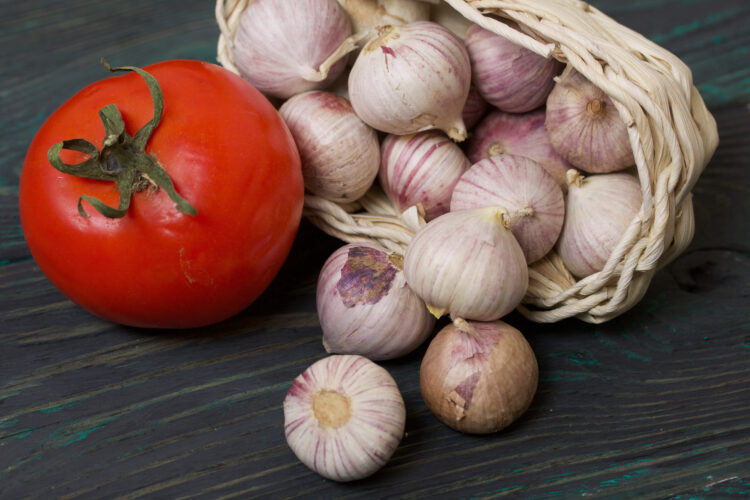
Much like onions, whole garlic bulbs do not tolerate high humidity well and will quickly degrade or sprout in a damp refrigerator. Keep whole heads in a dry, well-ventilated pantry instead. If you have leftover peeled cloves, those should be refrigerated, while minced garlic can be portioned out and frozen for effortless use during meal prep.
Tomatoes
Tomatoes rely on ambient heat to develop their rich, characteristic sweetness and aroma. Refrigerating underripe or room-temperature tomatoes completely stalls the ripening process and breaks down the fruit's cellular structure, leaving it with a mealy texture and muted flavor. For the best culinary results, leave them on the counter for a few days after purchase, and only move them to the fridge once they have reached peak ripeness.
Watermelons
A whole watermelon should remain on the counter until it is ready to be served. Prolonged refrigeration of an uncut melon actually sours its sweetness, dampens its aroma, and can even deplete some of its healthy antioxidant components. However, the moment you slice into the melon, the risk of rapid bacterial growth skyrockets; any leftover pieces must be transferred to an airtight container and refrigerated immediately.
Bananas
Bananas are a classic tropical fruit that actively resists the cold. Placing an underripe banana in the refrigerator causes the cell walls to rupture, turning the peel entirely black while preventing the fruit inside from ripening properly. The ideal strategy is to let bananas reach your preferred level of ripeness on the counter first. Once fully ripe, transferring them to the refrigerator will safely stall further aging and extend their shelf life for several days.