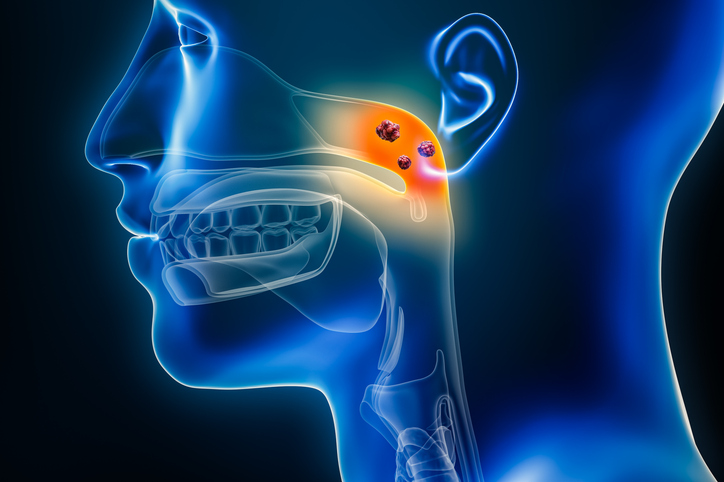
A new type of cancer treatment delivered through the nose, rather than by conventional injection, is gaining significant attention for targeting glioblastoma, a brain cancer notorious for its exceptionally poor prognosis.
Glioblastoma is the most common malignant brain tumor in adults, accounting for roughly 65% of all primary tumors originating in the brain and spinal cord. In South Korea alone, approximately 1,000 people are newly diagnosed with the disease each year. The cancer is infamous for its aggressive nature and short survival window; the average survival period for South Korean patients is only about 15 months, and a mere 5.3% of patients survive past 10 years following their diagnosis. This dismal prognosis is largely driven by the extreme difficulty of delivering effective treatments to the brain.
Bypassing the Blood-Brain Barrier
The brain is the body’s command center, controlling all sensations, thoughts, and actions. To protect this vital organ, capillaries and surrounding cells form a dense, protective shield known as the blood-brain barrier (BBB). While this biological filter successfully prevents harmful toxins and pathogens in the blood from entering brain tissue, it also inadvertently blocks lifesaving therapeutic drugs.
Most chemotherapy agents are administered intravenously or orally, relying on the bloodstream to reach and attack cancer cells. Temozolomide, the standard first-line oral chemotherapy drug for glioblastoma, is designed to enter the brain and halt cancer cell replication. However, because its passage is severely restricted by the blood-brain barrier, clinicians frequently face frustrating situations where patients fail to achieve therapeutic drug concentrations at the tumor site.
A Magnetic Nasal Detour
To overcome this obstacle, a joint research team from Seoul St. Mary's Hospital and POSTECH developed an innovative treatment method that delivers anticancer nanoparticles directly through the patient's nose. The team focused on an anatomical loophole: the olfactory nerve in the nasal cavity connects directly to the brain, providing a natural pathway that bypasses the blood-brain barrier entirely.
The primary challenge was guiding the intranasally administered drug directly to the tumor. To achieve this, the researchers leveraged the power of magnetism. They synthesized temozolomide with magnetic nanoparticles, theorizing that an external magnetic field could precisely control the drug's movement inside the brain.
Animal and cellular experiments proved their hypothesis correct. Cell testing confirmed that the synthesized drug-nanoparticle complex successfully penetrated the nuclei of brain tumor cells. When guided by an external magnetic field, laboratory models treated with the complex demonstrated a survival extension approximately 2.7 times longer than the untreated control group.
Most notably, this targeted approach drastically reduced the required medication amount. The effective drug dose used within the nanoparticle complex was just one-eighteenth of the dosage required in conventional treatments, representing a massive leap forward in therapeutic efficiency while minimizing potential systemic side effects.
Professor Yang Seung-ho of the Department of Neurosurgery at Seoul St. Mary's Hospital, who spearheaded the study, stated, "We have confirmed that nasal drug delivery can effectively overcome the deep-seated limitations of existing anticancer therapies. As the incidence of various brain tumors continues to rise beyond glioblastoma, this methodology will hold profound research and clinical value moving forward."