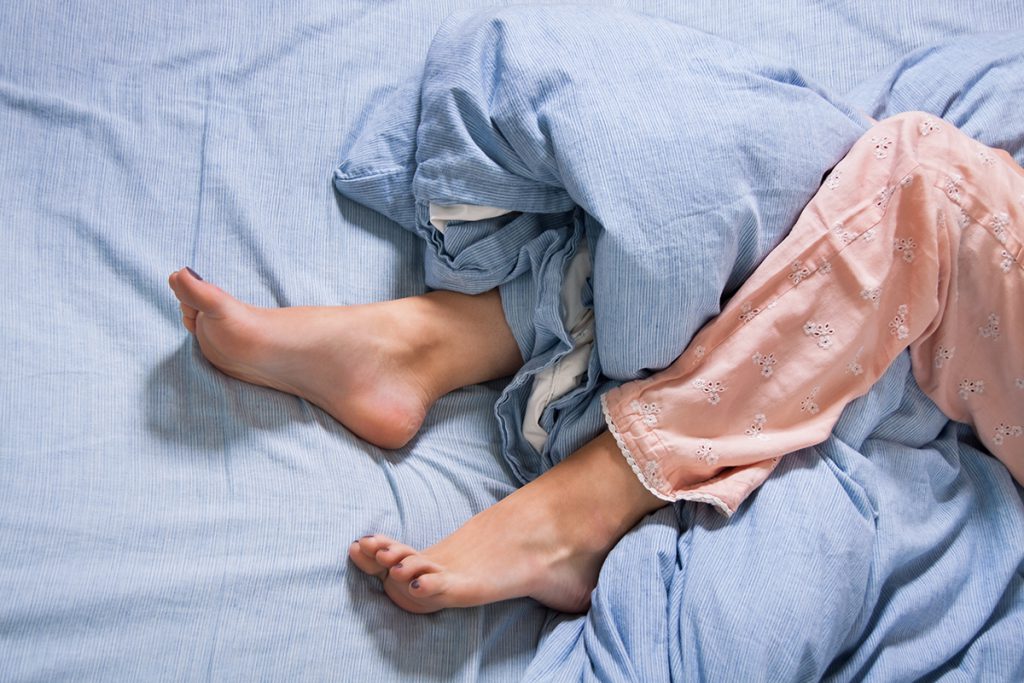
Spending the entire day lying down, staying indoors, and routinely scrolling through a smartphone has become a common habit for many. However, this level of physical inactivity can cause muscle mass to drop sharply in as little as a week. Depending on the individual, skeletal muscle strength can fall by 10% to 20% over a seven-day period of immobilization. For hospitalized patients confined to a bed all day, muscle mass decreases by 1% to 2% daily, severely impairing physical function, weakening immunity, and elevating the risk of opportunistic infections.
The Midlife Turning Point for Muscle Preservation
Prioritizing muscle preservation during middle age is foundational for healthy longevity. After age 50, muscle mass and strength begin to decline in earnest. If a sedentary lifestyle or prolonged bed rest becomes a daily routine during your 50s and 60s, the degradation accelerates. By the time an individual reaches their 80s, overall muscle mass can drop by 30% to 40% compared to their youth.
According to data from the Korean Society of Sarcopenia, pathological muscle loss occurs when both the absolute volume and individual fiber size of muscles decrease. When overall muscle mass falls by 30% or more, the condition becomes severe, leading to systemic complications. This stark decline compromises overall physical function, drastically increasing the risk of falls, bone fractures, and long-term physical disability.
Cachexia and the Hidden Danger of Extended Bed Rest
The necessity of mobility is clearly illustrated in hospital wards, where patients are encouraged to walk the corridors as soon as they are able. When a patient remains bedridden for an extended duration, they risk developing cachexia—a severe metabolic syndrome characterized by progressive muscle wasting and significant weight loss.
Cachexia typically manifests alongside chronic conditions such as cancer, chronic heart failure, chronic kidney disease, and chronic obstructive pulmonary disease (COPD). A defining hallmark of cachexia is that it cannot be reversed through nutritional supplementation alone because systemic inflammation and profound metabolic abnormalities occur simultaneously. When cachexia develops in cancer patients, the rapid degradation of muscle tissue can often become more life-threatening than the primary malignancy itself.
Identifying Sarcopenia and Maintaining Physical Independence
Data from Korea’s National Health and Nutrition Examination Survey (2024) indicates that the prevalence of reduced grip strength—a primary clinical marker used to evaluate the risk or probable stage of sarcopenia—reached 17.5% among individuals aged 65 and older, affecting 16.0% of men and 18.7% of women.
Sarcopenia may be suspected if everyday tasks like lifting heavy objects, walking, rising from a chair, or climbing stairs become noticeably difficult, or if falls occur repeatedly. Physical dimensions also serve as a reliable screening tool; men with a calf circumference under 34 cm and women under 33 cm face a higher probability of the condition. A simple manual check, known as the "finger-ring test," can also assist: if you wrap the thickest part of your calf with the thumbs and index fingers of both hands and find the calf is thinner than the ring formed by your fingers, sarcopenia is highly suspected.
Preventing this decline requires a dual focus on targeted physical activity and dietary modification. To stimulate muscle protein synthesis, health experts recommend incorporating resistance training two to three times a week, combined with low-impact aerobic exercise, balance training, and routine stretching. Dietary protein intake is equally essential; individuals should aim to consume approximately 1.2 grams of protein per kilogram of body weight daily through sources like eggs, fish, lean meat, tofu, and legumes, supplemented with adequate vitamin D and calcium. Even during busy periods when a full workout routine is unsustainable, maintaining consistent daily movement and avoiding prolonged periods of lying down remains the ultimate defense against structural bodily decline.