

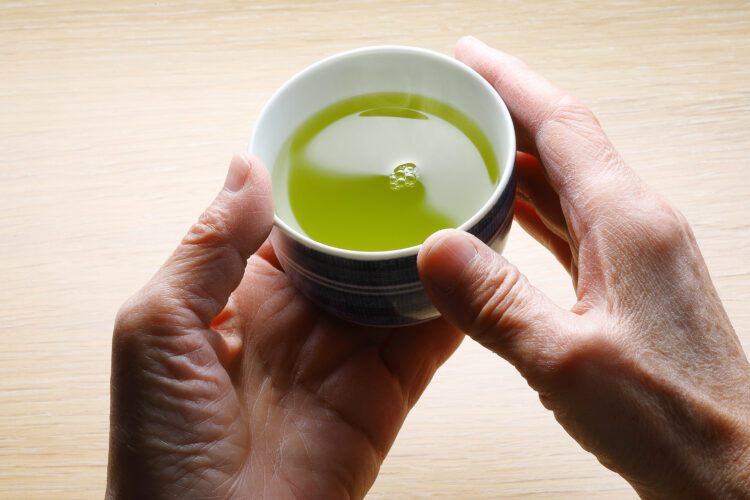
The sweeping health benefits of tea—particularly green and black varieties—are widely celebrated in modern medicine. Yet, a growing body of evidence suggests that the specific manner in which you prepare and consume your daily brew dictates whether you reap those longevity benefits at all.
A recent study published in the journal Beverage Plant Research outlines the precise parameters required to preserve the medicinal qualities of tea. According to the research, consuming 1.5 to 2.0 cups of tea per day is the optimal "sweet spot" for lowering the risk of all-cause mortality. Specifically, the reduction in cardiovascular disease mortality peaks and levels off within the 1.5 to 3.0 cups-per-day range, while the sharpest decline in cancer mortality is achieved at just 1.5 cups daily.
Furthermore, the study confirmed that regular green tea consumption offers robust neuroprotective properties, lowering the risk of cognitive impairment in older adults by an impressive 40%.
Researchers credit these sweeping systemic benefits to natural antioxidant compounds uniquely abundant in unadulterated tea leaves, most notably polyphenols and catechins. These bio-active molecules act as internal shields, suppressing inflammatory responses throughout the body and mitigating cellular oxidative damage. By doing so, they actively support cardiovascular function, accelerate metabolic health, and significantly lower the baseline risk for chronic conditions such as type 2 diabetes and various cancers.

The Pitfalls of Modern Convenience: Bottled and Bubble Teas
However, these health dividends diminish rapidly depending on commercial processing. The research team warned that mass-produced, ready-to-drink tea beverages offer virtually no therapeutic value and may even introduce metabolic risks.
Popular bottled teas sold at grocery stores typically undergo ultra-high-temperature sterilization to maximize shelf life. This aggressive thermal processing inadvertently destroys or alters the fragile molecular structure of the tea's primary antioxidants. For instance, chemical analyses demonstrate that epigallocatechin gallate (EGCG), the most potent and heavily studied catechin in green tea, alters at high temperatures into gallocatechin gallate (GCG)—a compound far less biologically effective. As heating times extend, overall catechin content plummets, meaning that even unsweetened commercial bottled teas lose their therapeutic edge before they ever hit the shelves.
The health profile worsens drastically when looking at popular bubble milk teas. These beverages are heavily modified with added sugars, condensed milk, non-dairy creamers, artificial sweeteners, and calorie-dense tapioca pearls—additives that completely neutralize the tea's inherent vascular benefits. A single serving of bubble tea frequently packs between 300 to 500 calories, with a sugar concentration that easily eclipses a standard can of Coca-Cola. This high glycemic load is a well-documented driver of obesity, insulin resistance, and cardiovascular strain.
"The introduction of refined sugars, artificial sweeteners, and processed starches in commercial bottled beverages and bubble teas effectively masks or outright offsets the plant’s natural health benefits," noted corresponding author Dr. Mingchuan Yang and Professor Chung S. Yang.
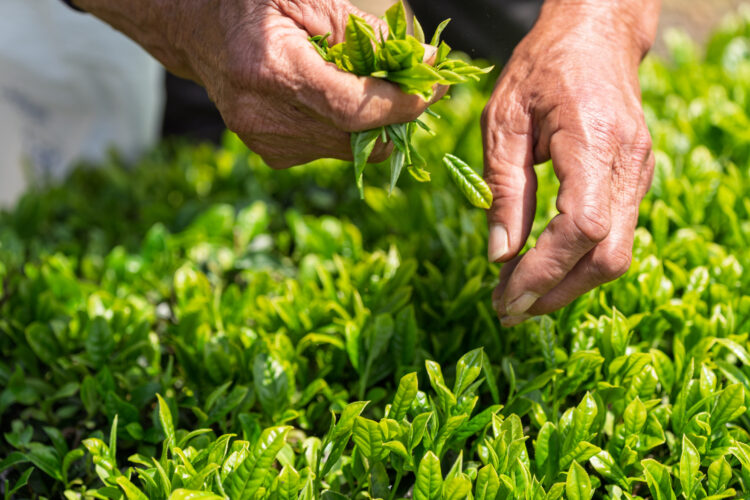
Returning to the Source: Whole-Leaf and Matcha
To maximize the anti-inflammatory and metabolic rewards of the habit, the study strongly advocates for steeping minimally processed whole-leaf tea at home. Whole tea leaves retain their complex cellular structures and preserve natural volatile compounds far more completely than the finely ground, low-grade tea dust typically found in commercial paper tea bags.
The lone exception to the anti-bag sentiment is traditional matcha. Because matcha consists of stone-ground, shade-grown green tea leaves suspended directly in water, consumers ingest the entire leaf rather than just the water-soluble extract. Consequently, the study notes that a cup of high-quality matcha can deliver up to 10 times the antioxidant payload of a standard cup of regularly brewed green tea.
The researchers add a minor caveat for the caffeine-sensitive: because matcha utilizes the entire leaf structure, its caffeine content is naturally higher, meaning intake should still be moderated. Ultimately, the blueprint for turning tea into a true engine for longevity relies on stepping away from convenience-store coolers and returning to the deliberate, ancient practice of loose-leaf brewing.











