
Koo Kwang-mo, chairman of LG Group, has become a trending topic online over his unique approach to eating pork belly (samgyeopsal).
Nvidia Chief Executive Officer Jensen Huang met with the heads of South Korea's major conglomerates on June 5 at a barbecue restaurant near Hongik University in Mapo-gu, Seoul. The star-studded dinner included SK Group Chairman Chey Tae-won, LG Chairman Koo Kwang-mo, and Naver board chair Lee Hae-jin.
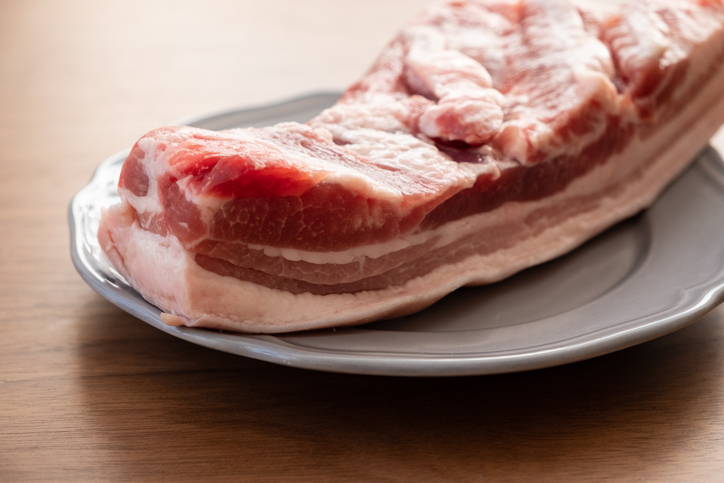
At the chaebol leaders’ table, a classic Korean barbecue question quickly took over: “Who’s going to grill the meat?” Chairman Koo took charge, picking up the tongs and scissors—but proceeded to systematically cut away all the fat from the pork belly. To many onlookers, this was surprising, given that pork belly's rich flavor is traditionally defined by its fat content. Most savory flavor compounds in pork accumulate in the fatty tissue, breaking down when heated to release hundreds of volatile aromatic substances that create its signature nutty, sweet aroma.
Online observers offered two main interpretations for the move: either Chairman Koo trimmed the fat simply because he rarely grills pork belly himself and was unsure of the technique, or he did it strictly for health reasons.

Is Pork Belly Fat Intrinsically "Bad Oil"?
Objectively, pork fat possesses distinct nutritional value. It is rich in vitamin F, which consists of unsaturated fatty acids that make up roughly 57% of pork fat. Unsaturated fats are generally considered healthy, helping to lower the risk of cardiovascular diseases, maintain brain function, build cell membranes, and regulate systemic inflammation. Some studies even suggest these unsaturated fatty acids assist in flushing out heavy metals from the body.
However, the primary issue with pork fat is its high caloric density and cholesterol content. Saturated fatty acids account for the remaining 38% of the fat profile. When consumed in excess, saturated fats prompt the liver to synthesize cholesterol, raising blood lipid levels in the short term. Over time, this increases the burden on the cardiovascular system and elevates the risk of fatty liver disease. The National Cancer Information Center also identifies saturated fatty acids as a notable risk factor for colorectal cancer.
Who Should Restrict Their Fat Intake?
While a moderate amount of dietary fat is beneficial, certain populations must exercise caution. Nutrition experts advise individuals with high low-density lipoprotein (LDL) cholesterol, impaired kidney or liver function, or metabolic conditions such as obesity and diabetes to strictly monitor their fat intake.
Ideally, fat should constitute 15% to 30% of total daily energy intake, which translates roughly to consuming 1 gram of fat per 1 kilogram of body weight. Experts emphasize understanding one's exact health status through regular medical checkups and consulting with internal or family medicine specialists.
For those who struggle with portion control, switching menu items can be a practical solution. Traditional alternatives like bossam (boiled pork slices) or jokbal (pig's trotters) are excellent options; the boiling process renders out a significant portion of the fat while preserving the abundant collagen found in the skin.
Alternatively, poultry like chicken and duck offer the highest proportion of unsaturated fatty acids among common meats—boasting a content of nearly 70%—while providing high-quality protein to support weight loss and muscle retention.
Reporting support from registered dietitian Kim Eun-kyung