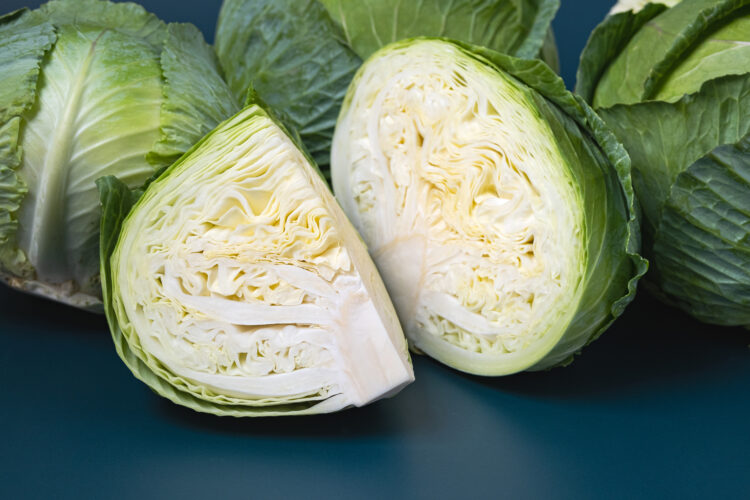
Cabbage is a staple ingredient for anyone focused on healthy eating. Exceptionally high in dietary fiber and remarkably low in calories, it frequently anchors weight-loss meal plans and everyday wholesome cooking. The practical challenge, however, lies in its sheer size. A whole head of cabbage is often deceptively large; after a few rounds of basic salad, the remainder is frequently forgotten in the back of the refrigerator, where it eventually wilts and goes to waste.
To successfully finish an entire head of cabbage without growing tired of it, the key is to seamlessly integrate it into dishes you already prepare while varying your culinary techniques. By folding it into familiar comfort foods, utilizing a covered oil-steam method, or prepping a tangy batch of cabbage rappé, you can easily distribute this versatile vegetable across multiple meals throughout the week.
A Volume Boost for Noodles and Ramen
One of the main reasons people fail to utilize a whole cabbage is the misconception that they must build an entirely new, cabbage-centric recipe from scratch. A far more practical approach is simply adding a handful to the meals you already enjoy. Ramen, in particular, serves as an excellent vehicle for this vegetable.
Timing is critical to maintaining the right texture. Boiling cabbage for too long will render it mushy, and finely shredded pieces require only a very brief cooking time. For the best results, toss the cabbage into the pot after the ramen noodles have already loosened in the boiling water, leaving about 1 to 2 minutes of remaining cook time. If you prefer a softer texture, add the cabbage just before the noodles and let it boil for approximately 1 minute.
Incorporating a generous handful of cabbage significantly increases the physical volume of the meal. This added bulk promotes satiety, helping you feel full while naturally allowing you to scale back on the portion of noodles. Because standard ramen is inherently dense in carbohydrates and sodium, the cabbage introduces essential nutrients and fiber, balancing the meal's nutritional profile. This technique translates perfectly to other noodle dishes as well, including stir-fried noodles, udon, and traditional knife-cut noodles (kal-guksu). For spicy mixed noodles, slicing the cabbage paper-thin and adding it raw—or quick-blanching it in boiling water for a mere 10 to 20 seconds before draining—preserves a delightful, refreshing crunch.
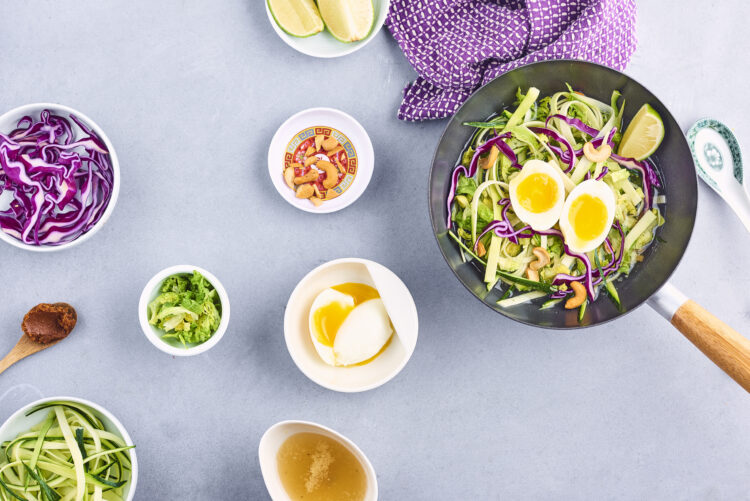
Tangy Cabbage Rappé for Versatile Meal Prep
While salad is the most straightforward way to consume raw cabbage, eating the exact same preparation day after day quickly leads to palate fatigue. A highly effective alternative is to shred a large batch all at once and transform it into a French-style cabbage rappé.
Cabbage rappé relies on a tangy, acidic dressing that slightly pickles the vegetable. To prepare it, slice the cabbage as thinly as possible, sprinkle it lightly with salt, and let it macerate for about 10 minutes. This salting process breaks down the vegetable's characteristic stiffness, allowing the flavors to penetrate evenly. Once it softens slightly, gently squeeze out the excess moisture, then toss the cabbage with vinegar or fresh lemon juice, quality olive oil, whole-grain mustard, and cracked black pepper. If a touch of sweetness is needed to balance the acidity, add a minimal amount of honey, sugar, or oligosaccharide syrup.
Letting the mixture rest in the refrigerator for at least 30 minutes allows the flavors to mature and meld beautifully. Once prepped, this condiment is incredibly versatile. Served alongside lean proteins like chicken breast or hard-boiled eggs, its juicy texture offsets dryness. Layered into sandwiches, it provides a bright, crisp tang without the need for heavy, calorie-dense dressings. It also functions beautifully as a crisp filling for gimbap or a vibrant topping for cold mixed noodles.
The 'Oil-Steam' Method: A Lighter Alternative to Stir-Frying
If you prefer a warm side dish but want to avoid the heavy oil required for traditional stir-frying, the "oil-steam" method is an ideal solution. This technique uses a minimal amount of water under a closed lid to wilt the cabbage, drawing out its natural, concentrated sweetness and yielding a tender texture that is incredibly easy to digest.
The process is remarkably simple. Place roughly chopped or shredded cabbage into a pan, add 2 to 3 tablespoons of water, cover tightly with a lid, and let it cook over medium-low heat for 3 to 5 minutes. Once the cabbage has steamed through and softened, remove the lid and drizzle a tiny amount of olive oil or aromatic perilla oil purely for flavor. This method coaxes out the vegetable's innate sugars without submerging it in fat. Furthermore, this is an excellent way to cook the thick, fibrous core of the cabbage; simply slice it thinly and include it in the pan rather than discarding it.
The finished dish requires very little seasoning to taste excellent. A light splash of soy sauce mixed with vinegar, or a simple pinch of salt and pepper, creates an elegant, clean side dish. You can garnish with toasted sesame seeds or finely chopped green onions to add depth without adding calories. Pairing this warm, savory cabbage with clean proteins such as tofu, grilled chicken, or eggs creates a deeply satisfying, low-glycemic meal.
Ultimately, oil-steaming is a superior way to consume larger volumes of the vegetable. While a raw portion can look dauntingly large on a plate, steaming drastically reduces its physical volume, allowing you to comfortably consume a nutrient-dense portion. When you find yourself with an awkward amount of leftover cabbage, this quick technique provides a side dish that is lighter than a stir-fry, more substantial than a salad, and entirely satisfying.