A common misconception in modern wellness culture is that vegetables must be consumed raw to preserve their full nutritional value, operating under the assumption that heat inherently destroys vitamins. While it is true that water-soluble, heat-sensitive nutrients like vitamin C can degrade during the cooking process, the raw path is not universally superior. For several foundational vegetables, thermal processing actually breaks down rigid cellular walls, allowing the human body to absorb essential micronutrients far more efficiently.
Here are five representative vegetables that yield superior health benefits when cooked.
Carrots: Sautéing Enhances Beta-Carotene Absorption
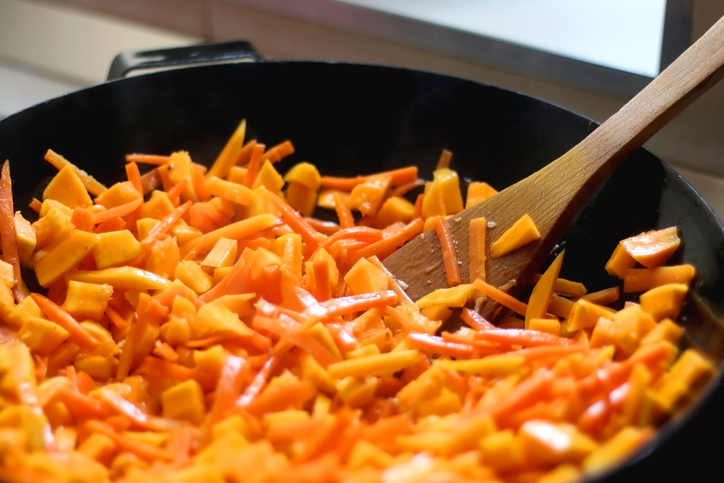
Carrots are packed with vital antioxidants, most notably beta-carotene, which the body converts into vitamin A. Thermal processing significantly increases the bioavailability of these antioxidant compounds. Because beta-carotene is fat-soluble, sautéing carrots in a small amount of healthy oil further optimizes its absorption through the digestive tract.
Conversely, consuming carrots raw remains an excellent strategy for maximizing your intake of volatile vitamin C. Ultimately, if your primary dietary goal is antioxidant support and cellular health, cooked carrots are the superior choice, whereas raw carrots serve as an ideal addition to salads for water-soluble vitamin retention.
Mushrooms: Eliminating Toxins While Concentrating Nutrients
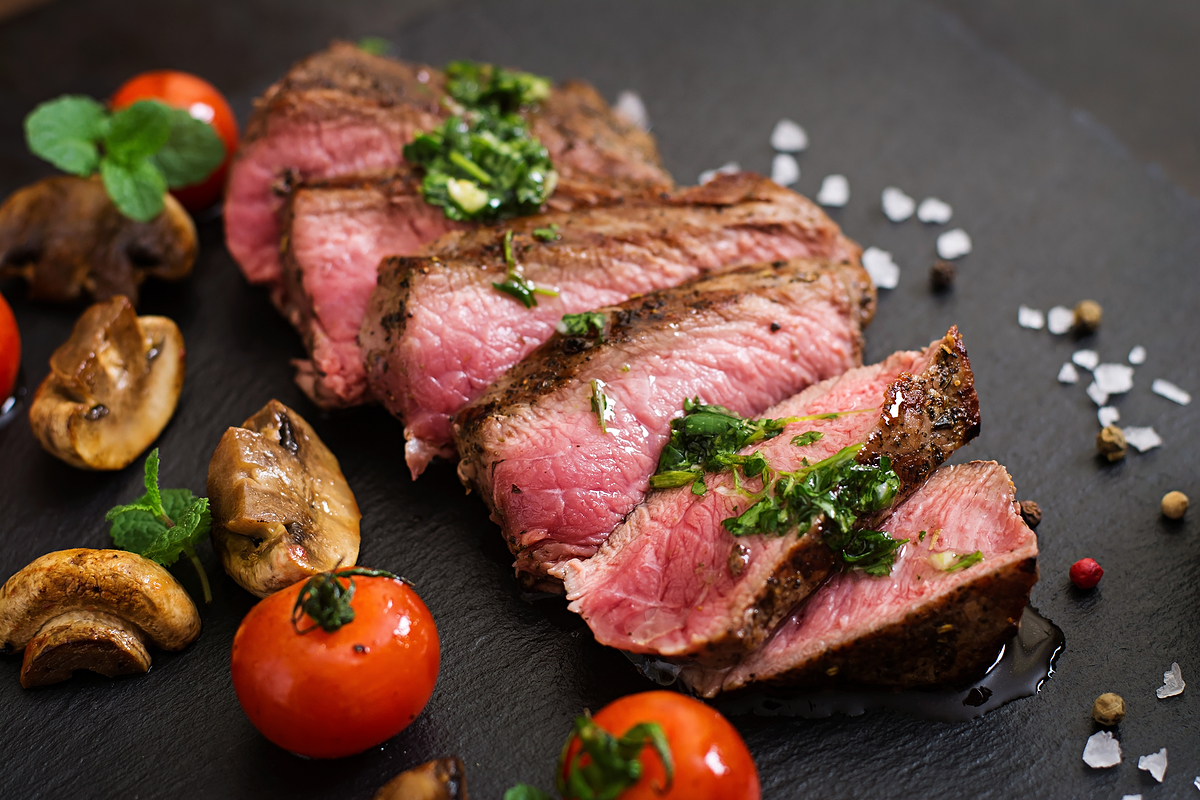
Cooking mushrooms is a matter of both food safety and nutrient optimization. Certain raw mushrooms contain agaritine, a naturally occurring organic compound that can have toxic effects if consumed in large quantities. Thorough cooking effectively neutralizes this compound, making them entirely safe for consumption.
Once cooked, mushrooms become a dense source of concentrated dietary fiber, protein, potassium, selenium, B vitamins, and vitamin D. Furthermore, the cooking process intensifies their savory umami flavors, making it easier to consume a nutritionally significant portion.
Tomatoes: Thermal Processing Unlocks Powerful Lycopene
While raw tomatoes offer crisp texture and hydration, their antioxidant profile becomes profoundly stronger when exposed to heat. Specifically, lycopene—the potent carotenoid hydrocarbon responsible for the tomato's deep red hue—is bound tightly within the plant's cellular matrix. Heating alters this structure, allowing the body to absorb it far more efficiently.
Lycopene is a well-documented antioxidant heavily associated with cardiovascular support and the reduction of systemic oxidative stress. Incorporating lightly cooked options like tomato sauces, pastes, or stews into your diet is an excellent way to harness these targeted cardiovascular benefits.
Bell Peppers: Brief Stir-Frying Maximizes Carotenoids
Bell peppers are an exceptional source of carotenoids, which function as potent antioxidants in the body. When bell peppers are subjected to light heat, their tough cellular structures soften, unlocking these carotenoids for easier assimilation during digestion.
However, because bell peppers are also famously rich in vitamin C, overcooking can result in severe nutrient leaching. To strike the perfect balance, a quick stir-fry over high heat or a brief blanching is ideal. Consuming a vibrant mix of green, yellow, and red bell peppers together will ensure you take in a comprehensive spectrum of distinct antioxidant compounds.
Spinach: Light Cooking Reduces Oxalates to Free Up Minerals
Spinach is a nutritional powerhouse loaded with vitamins A and K, folate, iron, and potassium, making it a cornerstone of health-conscious diets. While raw spinach leaves are excellent for smoothies, cooking the leafy green offers unique chemical advantages.
Raw spinach contains high levels of oxalic acid (oxalates), an antinutrient compound that binds to minerals and inhibits the absorption of iron and calcium. Lightly steaming or wilting spinach dramatically reduces these oxalates, freeing up the iron and calcium for the body to utilize. To prevent water-soluble vitamins from leaching out entirely, maintain short cooking times and avoid over-boiling.