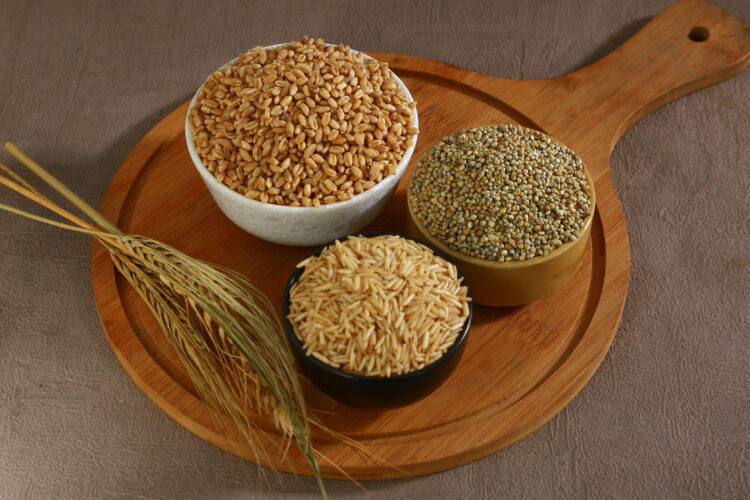
As healthy aging and longevity become the defining goals of our era, the food industry is experiencing a massive "ancient grain" boom. Grains like quinoa, farro, and kamut—marketed as being closer to their original, untainted forms—have taken center stage. From ready-to-eat rice bowls to snacks, these products often carry a price tag 30% higher than standard white rice or wheat-flour products. Despite the cost, consumers are increasingly willing to pay a premium for what they perceive as superior nutrition.
The prevailing assumption is that ancient grains are nutritionally superior to modern varieties bred for high yield and flavor. But is the "ancient" pedigree truly the key to health?
Processing matters more than the "ancient" label
The health benefits associated with ancient grains are tied less to their history and more to how they are processed. According to a recent report by the BBC, many of the advantages of these grains stem from the fact that they are typically consumed as whole grains.
Modern staples like rice and wheat are frequently refined to improve texture and shelf life. This process removes the bran and the germ—the parts of the grain that house the majority of its fiber, vitamins, and minerals. In contrast, grains like quinoa and farro are usually sold in minimally processed, whole-grain forms, ensuring these essential nutrients remain intact.
Proven benefits of a whole-grain diet
Diets rich in whole grains are well-documented for reducing the risk of chronic diseases, including type 2 diabetes. A 2020 review of 17 studies found that whole-grain consumption was associated with a lower risk of colorectal, stomach, and pancreatic cancers. Specifically, some research indicates that quinoa may improve early indicators of type 2 diabetes and help stabilize post-meal blood glucose levels.
Another draw for many is that several ancient grains are naturally low in gluten or entirely gluten-free. For instance, quinoa—technically a pseudocereal—is a safe alternative for those with gluten sensitivities or allergies.
Beware of marketing: Modern grains are nutritionally sound
Are modern grains truly inferior? Research from 2020 found little evidence that intensive agriculture has significantly depleted the overall nutrient content of modern grains, though some studies suggest a slight decline in minerals like iron, zinc, and magnesium since the 1960s.
"Whether something is 'ancient' isn't all that important from a health standpoint," says Julie Miller Jones, professor emerita at St. Catherine University. She notes that while they are excellent for gluten intolerance, the "ancient" branding can be exaggerated. Professor Jones also points out a common bias in nutritional studies: individuals who regularly consume whole grains often maintain other healthy lifestyle habits, making it difficult to isolate the grain's impact alone.
The bottom line: Look for the fiber
The nutritional gap between "ancient" and "modern" is often smaller than the gap between "refined" and "whole." For example, a popular brand's ready-to-eat "farro rice" contains only 14.1% farro. While it offers more fiber (6.4g) and protein (4.2g) than white rice (almost zero fiber), the difference compared to standard brown or whole-grain rice is marginal. Ultimately, the most decisive factor for your health is not the variety of the grain, but whether it remains an unrefined whole grain.