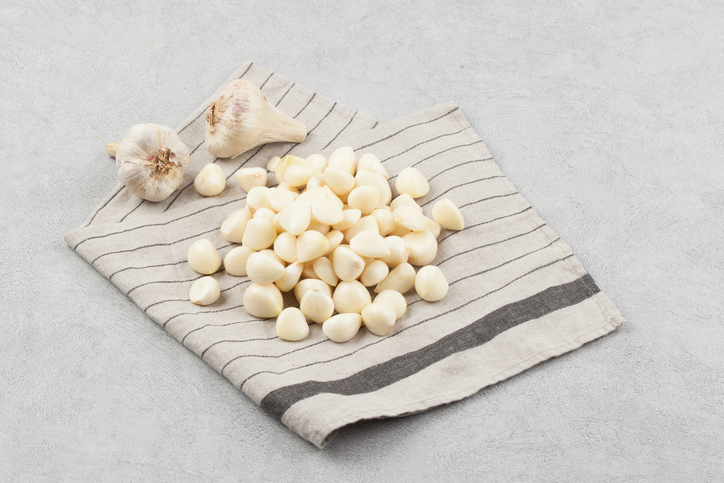
Garlic is an indispensable staple in Korean cuisine. However, due to the fast pace of daily life, it often remains in the refrigerator longer than intended. When retrieved, it is common to find the cloves have turned bluish or developed mysterious white spots. Understanding whether these changes signal a health risk or a harmless chemical reaction is essential for kitchen safety.
The Nutritional Value of Garlic
Before addressing storage concerns, it is important to recognize garlic’s significant health benefits. It is rich in compounds such as allicin and polyphenols. Allicin, which provides garlic’s signature pungent aroma and flavor, possesses potent antibacterial properties.
Research conducted in South Korea in 2021 suggests that garlic consumption may support cardiovascular health, as participants who consumed garlic powder showed lower systolic and diastolic blood pressure. Furthermore, the polyphenols found in garlic are widely studied for their potential anticancer effects.
White Spots: Why You Should Not Just "Cut Them Off"
While garlic is a nutritional powerhouse, its appearance can change dramatically depending on storage conditions. White spots on the surface are often the result of mold growth, specifically species such as Aspergillus or Penicillium.
Many people attempt to salvage the garlic by simply carving out the affected area, but experts warn against this practice. Mold hyphae—root-like structures—can penetrate deep into the internal tissues of the garlic. This means that even if the visible spots are removed, harmful mycotoxins may remain. If garlic exhibits white spots, feels soft, or emits a sour odor, it is safest to discard the entire clove to avoid foodborne illness.
Sprouting and Color Changes: Safety vs. Quality
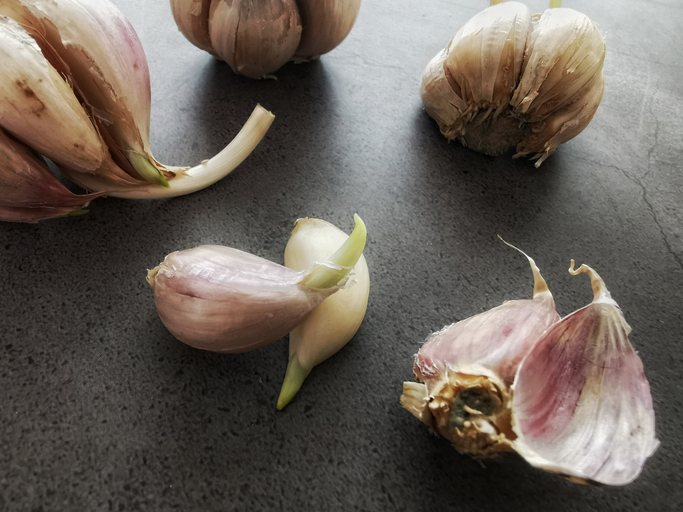
Unlike potatoes, which produce the toxic compound solanine when they sprout, garlic sprouts are entirely safe to consume. However, as a sprout grows, it consumes the bulb’s moisture and allicin. This results in a milder aroma and a slight decline in nutritional value and flavor.
To prevent sprouting, whole garlic should be stored in a mesh bag in a cool, well-ventilated, and dry area. For long-term storage, a consistent temperature between 0°C and -2°C is ideal to slow the germination process.
Another common occurrence is "greening," where minced garlic turns a blue or green hue. This is a harmless enzymatic reaction between allicin-related compounds and amino acids. While the color may be unappealing, it does not pose a health risk. To minimize this reaction, allow refrigerated garlic to reach room temperature before mincing, and store the minced result in an airtight container in the freezer immediately.