#Last December, a Thai woman, Ms. A, was brought to the emergency room at Bestian Seoul Hospital with severe, bright-red burns covering her entire face. She said her husband, in his 40s, had poured boiling water from an electric kettle onto her face at their home in Uijeongbu, Gyeonggi Province. The diagnosis was a second-degree burn. Suspecting signs of assault and abuse, the medical staff immediately reported the case to the police.
While receiving treatment, Ms. A posted on social media (SNS) asking for help, with her entire face wrapped in mesh bandages. The case proceeded to an investigation, and on the 10th of last month, prosecutors sought a three-year prison sentence for her husband. After completing burn treatment, Ms. A safely returned to her daily life.
#This February, a fire broke out at an apartment building in Seoul. A tragic incident occurred in which a teenage girl, about to start high school, died. The mother and younger sister who were at the scene also suffered facial burns and smoke inhalation and were urgently transferred to Bestian Seoul Hospital. The medical staff treated them with the utmost care, sharing in the pain of the mother and daughter as they grieved the loss of their family member. After receiving burn and respiratory treatment, they were able to be discharged.
Behind the fire accidents that make the news, this hospital is always there. The same was true during major incidents such as the Icheon logistics warehouse fire in Gyeonggi Province and the Guryong Village fire in Gangnam, Seoul.
In the 2024 Pyeongchang, Gangwon Province LPG filling station explosion, two patients with full-body burns were transported. One patient, burned over 95% of the body except the soles of the feet, held on for three months but ultimately died; however, the other patient, with burns over 80% of the body, miraculously survived—overcoming odds of less than a 5% chance of survival.
Along with Hallym University Hangang Sacred Heart Hospital, Bestian Hospital is considered a top first-choice destination where burn patients are transported first. Critically burned patients can be treated only at hospitals equipped with specialized personnel and emergency facilities. However, even including large university hospitals, there are only around 10 hospitals nationwide capable of treating such patients. Among them, three of the five burn specialty hospitals designated by the Ministry of Health and Welfare are Bestian Hospitals (Seoul, Busan, and Osong). It is also the first private hospital in Korea dedicated exclusively to burn treatment.
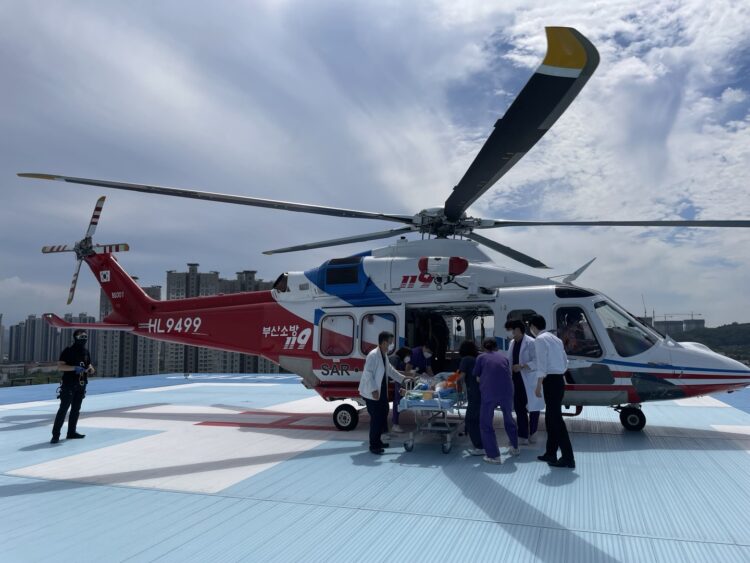
At Bestian Osong Hospital, located in the central region of the country, patients are flown in by helicopter from all over Korea. Last March, a 7-month-old baby with full-body burns was transported by helicopter from Yeosu and received emergency care, and a month later, a man in his 20s with full-body burns from a paper factory fire in Jeonju received treatment and was discharged.
Across its three hospitals, Bestian treats about 70,000 burn patients a year. This corresponds to 12% (as of 2024) of all burn patients in Korea (about 590,000).
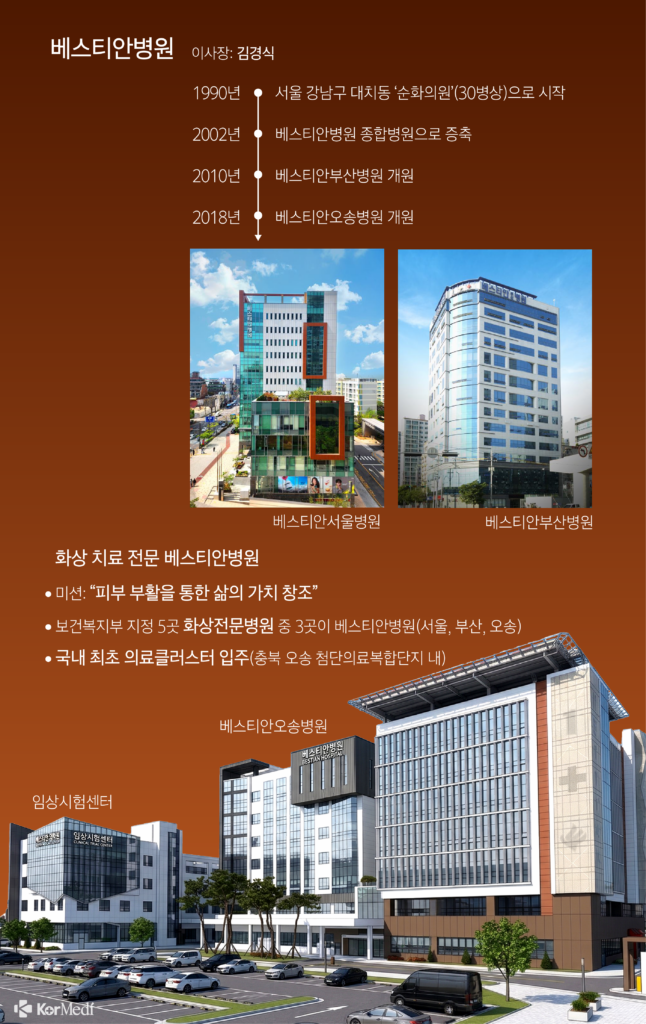
Bestian Hospital began in 1990 as “Sunhwa Clinic,” a 30-bed facility that opened in Daechi-dong, Gangnam-gu, Seoul. It was founded by Kim Kyung-sik, Chairman of the Bestian Foundation, who was then working as a surgical specialist and a clinical fellow in the Department of Medicine at the National Medical Center.
Back then, surgeons were considered impressive only if they performed “big surgeries” such as cancer operations or organ transplants. Burn care was different. Dressing changes were grueling, it required a lot of physical labor, and it was hard to make money—so it was treated like a “3D job.”
But what caught Chairman Kim’s attention were burn patients turned away by other hospitals. Patients who had wandered from hospital to hospital without receiving proper care flocked to Sunhwa Clinic.
“At the time, there wasn’t even a university hospital in Korea that specialized in treating burn patients. Severe burn patients with more than 30% total body surface area burned are extremely difficult to treat. Even so, medical schools weren’t really set up to teach burn care properly.”
About four years after opening, an incident occurred that changed his life. A soldier with electrical burns over 70% of his body came to the clinic. Determined to save him, Chairman Kim rushed back to the hospital whenever an emergency arose, even after hours, doing everything he could. But despite multiple surgeries and intensive care, the patient ultimately died after four months.
The patient’s parents held his hand tightly and said through tears, “Next time… please save a patient like my son.”
At that moment, Chairman Kim made a vow: he would become a burn-care specialist who takes responsibility for patients to the very end.
“I wanted so badly to save that patient…. From then on, I came to feel that I ‘owe a debt to my patients.’ I constantly ask myself, ‘Am I doing this right? Is the treatment I’m providing truly the best?’”
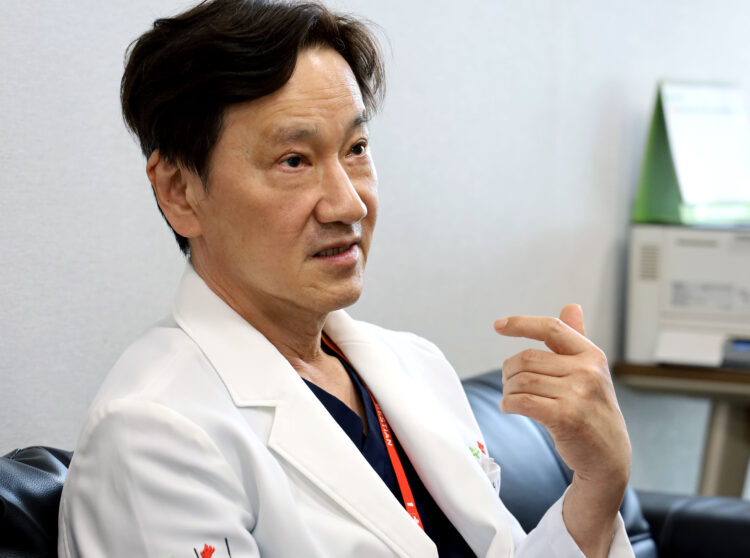
Burns are devastating for patients, but they are also extremely difficult for medical staff. Seeing patients suffer excruciating pain can be heartbreaking. Survival rates for critically burned patients are very low. Even when staff devote every ounce of effort, there are times when a patient who was conversing normally the day before suddenly passes away. Even if a life is saved, it is never possible to return to the pre-injury state.
Even so, Chairman Kim steadied himself each moment and did his best. In the 1999 Incheon pub fire, he saved and discharged more than 10 patients who were brought in. He said, “The 10 years I ran a small neighborhood clinic were incredibly difficult, but they were also deeply rewarding.”
He believed that continuing that sense of purpose required a solid foundation. Above all, he wanted to create an environment where burn patients could be treated properly.
In 2002, he expanded Sunhwa Clinic and established a general hospital. He named it “Bestian” to reflect the determination that “the best” people would come together to save even one more life. A few years later, believing he needed to manage the hospital properly, he also completed an MBA program at Korea University Business School.
He later expanded the burn specialty hospital network—first to Busan in 2010 and then to Osong in 2018. The small 30-bed neighborhood clinic had grown into the Bestian Foundation, spanning three hospitals in Seoul, Busan, and Osong, with 416 beds and hundreds of employees.
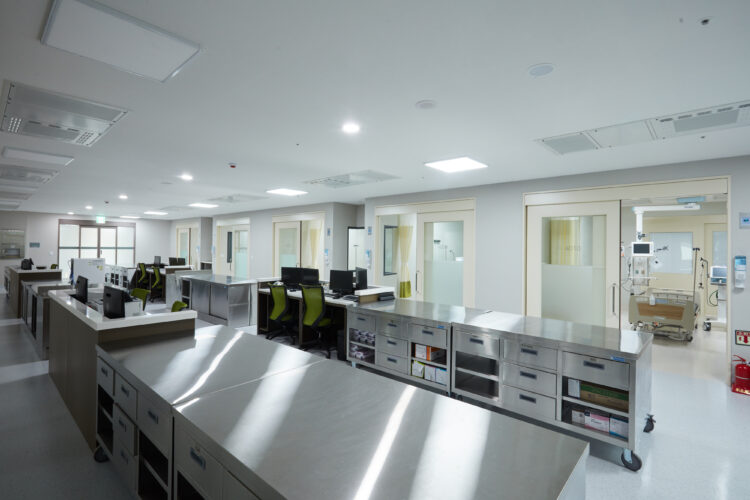
Bestian Osong Hospital, in particular, is regarded as a key hub for critical burn care. Its facilities are also state-of-the-art. To treat critically ill emergency patients quickly, the patient flow was designed to connect the rooftop helipad, intensive care unit, and operating rooms in a single continuous route. The ICU was designed as a dual-block structure applying a three-stage isolation zone for infection control, and it is equipped with a system that automatically switches between negative and positive pressure. Thanks to these advanced facilities, the hospital was able to safely isolate patients even during the COVID-19 outbreak.
In 2012, when the Osong Bio-Health Science Technopolis was recruiting a hospital to serve as a clinical trial center, Bestian Osong Hospital stepped forward. At the time, no other hospitals applied, citing disadvantages such as location. Bestian pursued a combined model in Osong—hospital, clinical trial center, and startups—while laying out a blueprint for building a medical cluster. It established a 100-bed clinical trial center and positioned specialized research in the burn field as its main focus.
Doctors were encouraged to actively develop hospital-centered business items and were urged to start companies. As a result, four bio-health companies were founded by Bestian-affiliated doctors and related personnel. Their work is based on burn and skin research and technical know-how, including developing burn therapeutics using stem cell culture media, and developing burn care techniques and skin graft surgery methods.
Meanwhile, the hospital also continued international medical exchanges whenever possible. In 2015, it opened a Korea–China Skin Reconstruction Center in China, taught Chinese doctors burn treatment methods, and conducted joint research. It also provided burn care training for medical staff from countries such as Tajikistan and Mozambique.
Chairman Kim said, “We’ve tried many things to build expertise in the burn field, but the challenges remain.” There were also concerned voices asking, “Aren’t you overinvesting in facilities when there aren’t that many patients?”
“In the beginning, we planned to research and develop what we needed ourselves, provide high-quality burn medical services, generate profits from that, and reinvest them into the hospital’s growth—but it didn’t go as we hoped. Around the time our move into the technopolis was confirmed in 2012, the social and political climate encouraged research-driven hospitals and startups, but these days the medical bio industry is also undergoing sweeping changes with artificial intelligence (AI), and….”
Burn care is a representative essential medical field that must maintain a 24/7 response system, 365 days a year. Regardless of patient volume, hospitals must always maintain staffing and beds, so the operational burden is inevitably heavy. Reflecting these structural difficulties, the government designated burns as a field with declining supply starting last year and launched a program to strengthen essential specialized functions—providing 24-hour care subsidies and performance-based rewards for care collaboration—along with replantation surgery, childbirth, pediatrics, and cerebrovascular care.
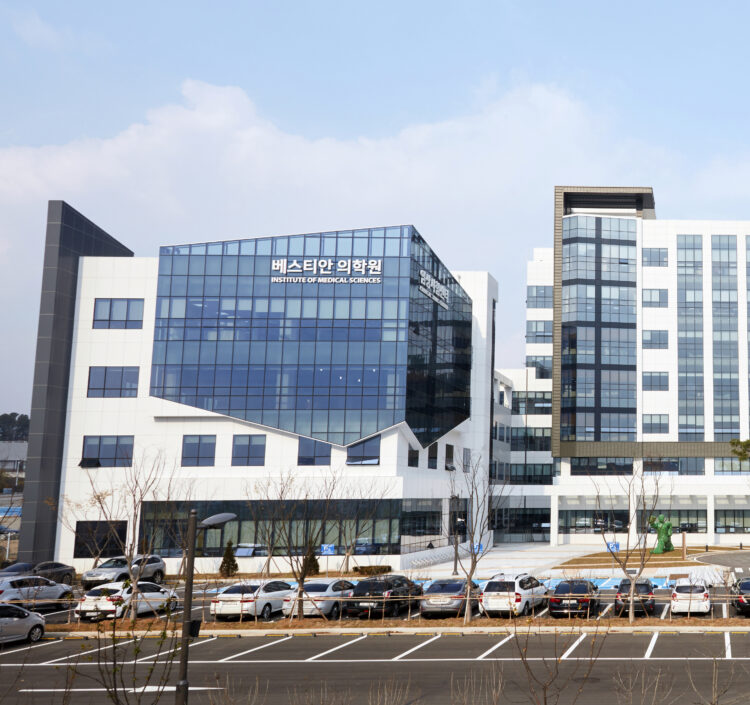
Chairman Kim shared, “Burn care is an essential medical field that demands high severity and urgency, but profitability is low, so securing staff is not easy.” According to him, there are only about 40 to 50 physicians nationwide who can properly provide burn treatment.
“In surgery, there still isn’t a separate subspecialty track for burns. After graduating medical school, you go through internship and residency, and then the only way is to keep building experience in burn care and develop expertise over time. But it’s also true that it’s not easy to find juniors who have been properly trained.”
Currently, 10 of the 24 medical staff across the three Bestian hospitals are burn specialists. In the past, Bestian had nearly 30 burn specialists. More than half of Korea’s dedicated burn-care clinicians have either trained at Bestian or are currently working there.
Despite these challenges, Chairman Kim said he hopes “Bestian Hospital can build a safe system that helps burn patients successfully through treatment and rehabilitation and back into society, and serve as a central hub for burn care.”
Burn patients will continue to exist in the next generation as well, and Bestian Hospital’s role in caring for them is clear.
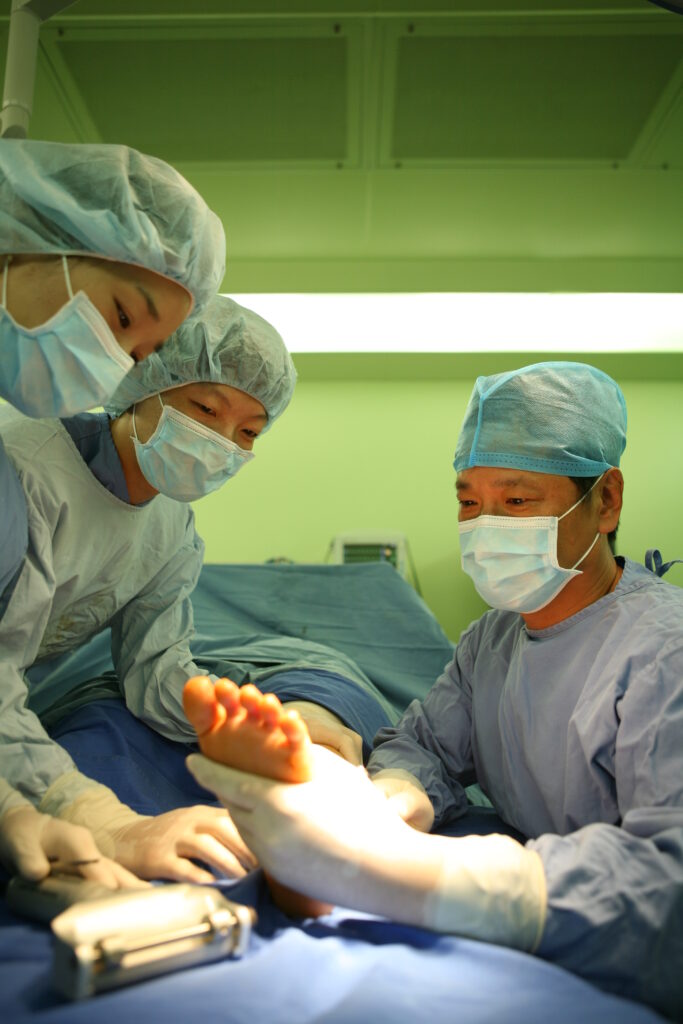
These days, Chairman Kim walks 20,000 to 30,000 steps every day. As one of the physicians who has cared for the most burn patients to date, he believes physical conditioning is essential to properly care for burn patients until the very end.
“The suffering of critically burned patients is beyond imagination. If we can save even one person a year—if they can complete treatment safely and return to society—that becomes the strength that helps us endure and keep going for the next year. That’s how I plan to keep moving forward.”