A biologic medication previously recognized for its effectiveness in treating severe asthma is now offering a new therapeutic path for patients struggling with the debilitating effects of nasal polyps. This new treatment option has officially entered the Korean market for adults with chronic rhinosinusitis with nasal polyps (CRSwNP) whose symptoms remain inadequately controlled by existing therapies.
Because chronic symptoms—such as persistent nasal congestion, rhinorrhea, and a diminished sense of smell—often require surgical intervention in severe cases, the medical community is closely monitoring how this expanded indication might ease the long-term treatment burden for patients.
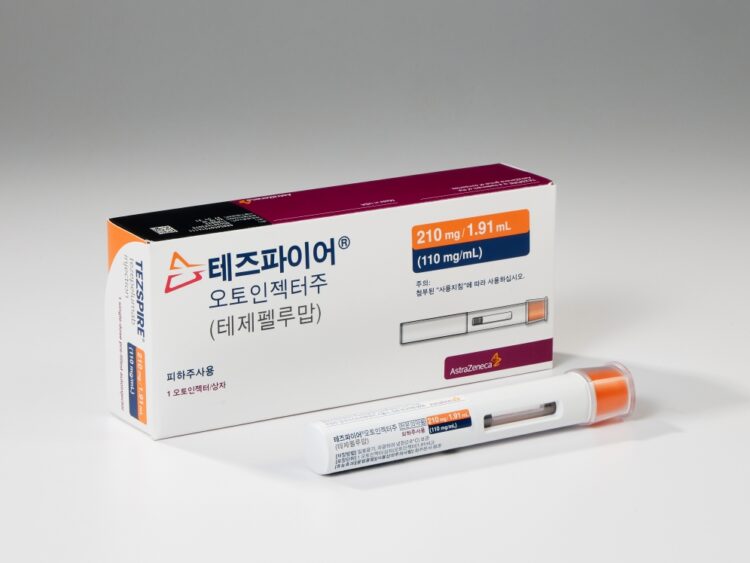
AstraZeneca Korea announced on April 8th the domestic launch of Tezspire (generic name: tezepelumab) for the treatment of severe asthma. Alongside this launch, the company confirmed the expansion of its indication to include add-on maintenance treatment for adults with CRSwNP that is not sufficiently managed by standard therapies.
Understanding the Burden of Chronic Rhinosinusitis
Rhinosinusitis is a broad clinical term that encompasses the more commonly known condition of sinusitis. It is characterized by persistent nasal congestion, obstruction, discharge, and hyperemia. When these symptoms persist for 12 weeks or longer, the condition is classified as chronic.
The clinical picture becomes more complex when nasal polyps—benign, teardrop-shaped growths on the lining of the nasal passages or sinuses—develop. As these polyps enlarge, they can completely block nasal passages, leading to a loss of smell, facial pressure, headaches, and significant sleep disturbances. The high rate of recurrence often results in a marked decline in a patient’s overall quality of life.
The primary challenge in treating CRSwNP is that many patients do not respond adequately to steroid nasal sprays or traditional oral medications. In severe cases, patients may undergo repeated rounds of systemic steroids or multiple surgeries to remove the polyps. However, because polyps frequently regrow after surgery, there has been a sustained demand for treatments that can fundamentally control the underlying inflammation.
A New Approach to Inflammatory Control
Tezspire operates at a relatively upstream stage of the inflammatory cascade. As a first-in-class human monoclonal antibody, it works by blocking thymic stromal lymphopoietin (TSLP), an epithelial cytokine that acts as a primary signaling molecule to trigger multiple inflammatory pathways.
TSLP is known to be expressed at significantly higher levels in patients with CRSwNP compared to those without polyps. By targeting TSLP, Tezspire intervenes closer to the start of the inflammatory response, rather than attempting to manage inflammation after it has already become widespread and symptomatic.
Clinical Evidence: The WAYPOINT Study
The approval for this expanded indication was based on data from the WAYPOINT study, a global Phase 3, multicenter, randomized, double-blind, placebo-controlled trial. The study involved 408 patients across 10 countries who suffered from severe, uncontrolled CRSwNP.
The results at week 52 were significant. The Tezspire group showed a 2.07 point greater reduction in the Nasal Polyp Score (NPS) compared to the placebo group. Additionally, the Nasal Congestion Score (NCS) decreased by 1.03 points more than the placebo. Notably, symptomatic improvements in congestion were observed as early as week 2, while reductions in polyp size were evident by week 4, with effects sustained through the one-year mark.
Furthermore, the treatment significantly reduced the need for surgical intervention and systemic steroid use. In the trial, only 5.2% of the tezepelumab group required systemic steroids, compared to 18.3% in the placebo group. For patients, this represents a meaningful shift away from the side effects of long-term steroid use and the physical toll of repeated surgeries.
Tezspire’s expansion into the CRSwNP market broadens its utility in managing complex respiratory diseases. Since severe asthma and chronic rhinosinusitis often coexist due to shared inflammatory pathways, this domestic launch provides a unified treatment strategy for patients who have previously been caught in a cycle of temporary medication and recurrent surgery.