While rhinoplasty is often perceived as a straightforward cosmetic procedure, surgeons face immense anatomical complexity beneath the surface. The contours of the nasal bones and the nasal septum—the internal cartilaginous wall dividing the left and right nostrils—vary significantly among individuals, as does the severity of any underlying deformity. When a patient has undergone prior nasal surgery, these challenges multiply, requiring a far more sophisticated surgical roadmap.
Revision surgery is inherently more demanding than a primary operation. Surgeons must navigate scar tissue, structural alterations from previous procedures, or existing artificial implants. Complex deformities—such as a crooked nose, a saddle nose where the nasal bridge has collapsed, or nasal asymmetry associated with congenital cleft lip—demand individualized techniques tailored strictly to the patient's unique anatomy and underlying etiology.
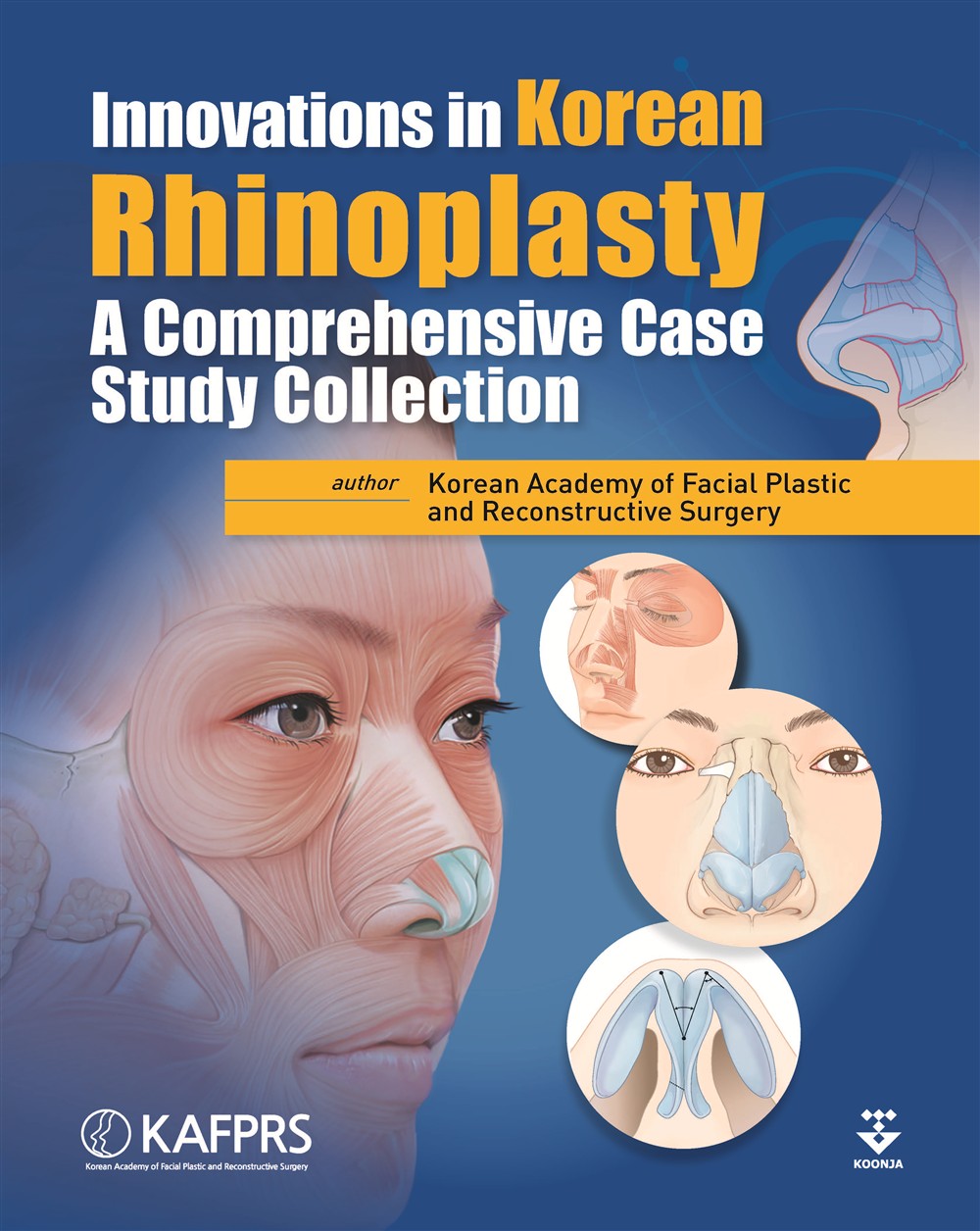
To address these clinical challenges, Gachon University Gil Medical Center announced on September 8 that Professor Bang Je-ho of the Department of Otolaryngology contributed as an author to Innovations in Korean Rhinoplasty: A Comprehensive Case Study Collection, a new e-book published by the Korean Academy of Facial Plastic and Reconstructive Surgery (KAFPRS).
Tailoring Strategies to Complex Anatomical Variances
The newly released e-book represents the first digital educational content published by KAFPRS, compiling real-world case studies handled by leading Korean facial plastic surgery specialists in operating rooms and clinical settings. The collection spans both primary rhinoplasty cases and high-difficulty revision procedures for patients who have undergone multiple previous operations. Alongside detailed surgical workflows, each chapter articulates the clinical rationale guiding specific treatment choices.
Professor Bang Je-ho authored several key chapters, presenting surgical strategies for primary crooked and saddle nose deformities, revision procedures following artificial implant placements, and complex reconstructions for structural changes caused by cleft lip.
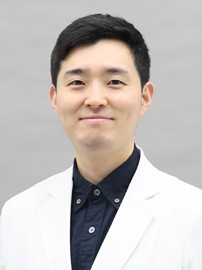
"Because every patient presents with distinct anatomical structures, varying degrees of deformity, and different surgical histories, surgeons cannot rely on a single standardized method," Professor Bang Je-ho noted. "Establishing an individualized surgical strategy suited to the specific case is the key to achieving successful outcomes in rhinoplasty."
A Practical Clinical Reference for Surgical Specialists
The casebook is designed as an educational reference for residents and fellows mastering the principles of facial plastic surgery through real-world scenarios. Simultaneously, experienced specialists can utilize the text to review alternative surgical pathways for high-difficulty revisions and reconstructive procedures.
"By sharing the collective clinical expertise of domestic specialists, I hope this resource serves as a practical guide both for trainees learning rhinoplasty and for active surgeons navigating complex cases in their daily practice," Professor Bang Je-ho said.
Professor Bang Je-ho actively continues clinical practice and research in rhinoplasty and facial reconstructive surgery. At a joint international conference hosted in Seoul last April by KAFPRS and the Asia-Pacific Academy of Facial Plastic and Reconstructive Surgery, he received the top award for an oral presentation investigating the correlation between nasal septal deviation and facial and ocular asymmetry.