“The hospital is too big and flashy—it doesn’t feel right for me.”
Even Beopjeong, the late monk known for his philosophy of "non-attachment," found that a steady mind was no match for a severely blocked nose. After turning away from a large university hospital, he visited a specialized ENT clinic in Gangnam at the urging of a devotee. Though smaller than a general hospital, he was so impressed by the team’s expertise that he proceeded with surgery.
The facility was Hanah E.N.T. Hospital—the first ENT specialty hospital in Korea and the only one of its kind in Seoul. His attending physician was the founding president, Director Sang-deok Lee. As a gesture of gratitude, Beopjeong presented the director with signed copies of his five-volume book set, which remain the hospital’s most cherished treasures.
Stories of life-changing treatment continue to pile up at Hanah. One high school senior, desperate to pass the Air Force Academy physical despite chronic sinusitis, underwent surgery at the hospital. He passed the exam and is now a fighter jet pilot protecting Korea’s skies.
A Bold Vision: Surpassing University Hospitals
The hospital’s roots trace back to Kangbuk Samsung Hospital. When ENT professor Park Jae-hun trained in endoscopic sinus surgery under Professor Heinz Stammberger in Austria, Director Lee was a trainee alongside him. Following Professor Park, Lee also mastered endoscopic surgery in Austria. In 1995, Lee made a bold proposal to his mentor: “Why don’t we open a fantastic ENT specialty hospital that can rival—and even surpass—a university hospital?”
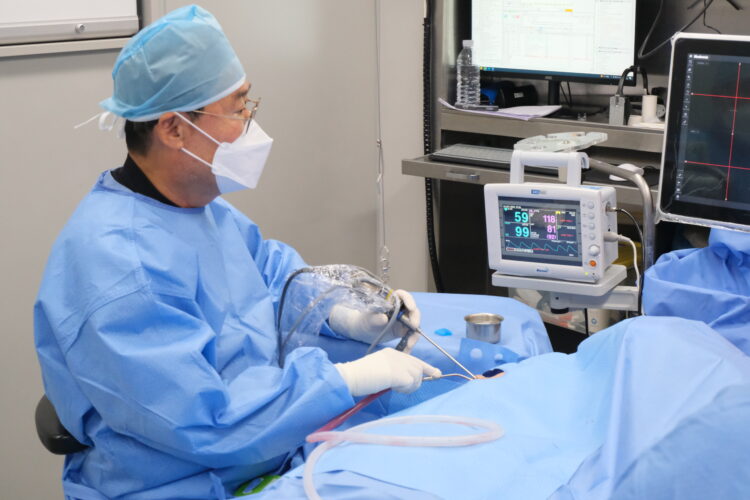
The teacher and student opened the hospital in 1995 in Yeoksam-dong, Gangnam. They invested 800 million won—more than five times the typical opening cost of a clinic—to bring in advanced equipment. Despite their nationwide goals, they saw only six patients on their first day. Director Lee spent that night worrying the venture might be a failure.
Those worries were unfounded. By 2006, Hanah ranked first nationwide for sinusitis surgery outcomes. In 2011, it became the first facility in Korea designated as an ENT specialty hospital. By its 30th anniversary in 2025, the main facility had grown to 17 doctors and 129 staff members, with a network of 42 partner hospitals across the country. The number of patients has now exceeded 3.13 million.
- Where do you think the competitiveness of Hanah E.N.T. Hospital comes from?
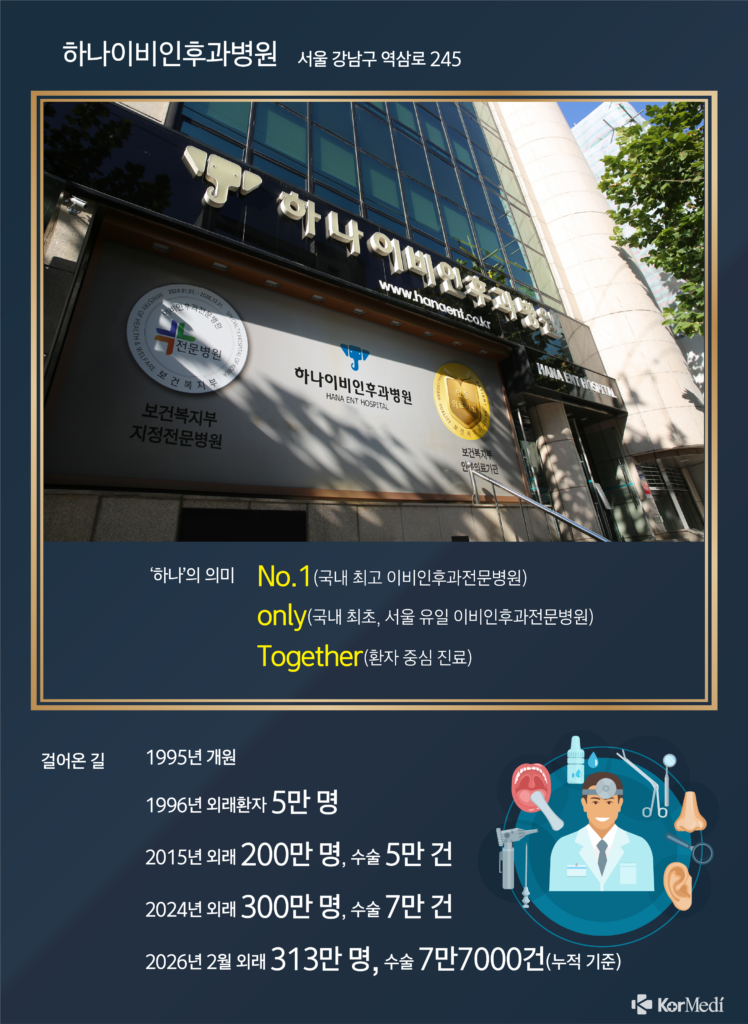
“I think it comes from a ‘patient-first’ philosophy. When sick patients pay to see a doctor, they should be at the center of care. Since opening, we have used cameras and monitors so patients can see their own ears and noses directly. We were the first in Korea to introduce a system where patients fully understand their condition and decide on a treatment plan alongside their doctor.”
Director Lee seeks out the best doctors through sincere, patient effort. Over the years, he has brought in renowned leaders from Korea’s "Big Three" hospitals, including Professor Dong Heon-jong (Samsung Seoul Hospital), Professor Jang Seon-oh (Seoul National University Hospital), and Professor Nam Soon-yeol (Asan Medical Center). These experts lead specialized centers for nasal, ear, and head and neck disorders, providing university-level medical services in a specialized hospital setting.
- They say you played a significant role during the COVID-19 pandemic.
“Honestly, it was incredibly difficult. In May 2020, I even broke down in tears during our 25th-anniversary dinner. Still, we voluntarily joined the National Safe Hospital initiative and provided non-face-to-face care to over 18,500 patients. When a patient called after their isolation to say they would definitely return to our hospital if they got sick again, the pride I felt was beyond words.”
- You’re known as a hospital that fulfills its social responsibilities.
“Since 2012, we have supported hearing aids for low-income individuals through the 'Snail of Love' foundation. Starting in 2025, we launched a cochlear implant support program for adults. Internationally, we have partnered with EMJJ Hospital in Mongolia since 2013, providing surgical instruments and local training to help them develop their own ENT systems.”
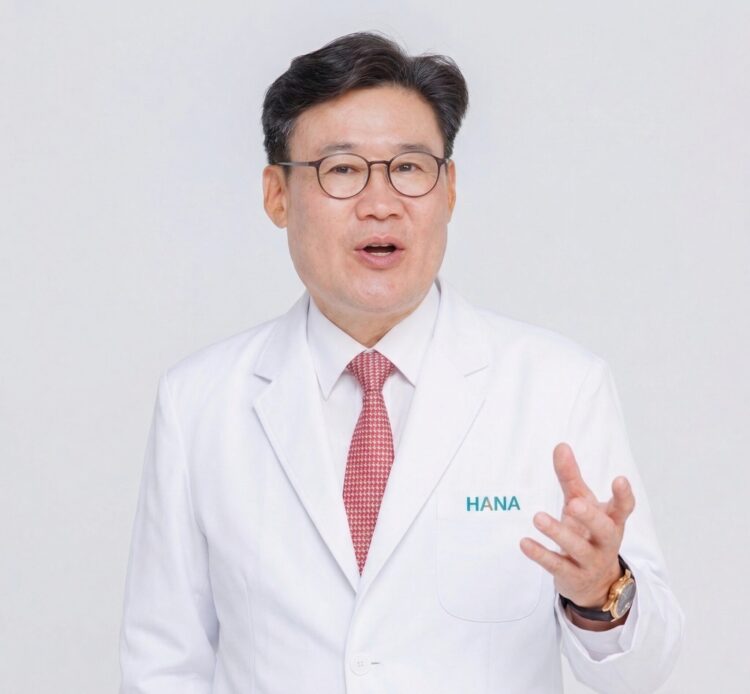
- Why did you transition to a partnership system in 2002?
“If a hospital is owned by a single founder, its growth is capped—it flourishes for one generation and then fades away. We are actively cultivating our junior doctors to become partners. My plan is to eventually transfer all equity to them, laying the groundwork for an institution that can thrive for 100, or even 200 years.”
Director Lee’s vision for a "good hospital" is unwavering: it must go beyond clinical success to treat patients like family. The name "Hanah" reflects this, embodying not only the meaning of "the best" or "the only one," but also the ideal of becoming "one" with the patient.
“Our goal this year is ‘A safe hospital, and patients like family.’ We are committed to maintaining a flawless safety net that catches even the smallest concerns. We want our patients to leave not just with their health restored, but having felt the genuine warmth of a family through our philosophy of ‘trained kindness.’”