While most people associate diabetes risk with sugary desserts or refined carbohydrates, medical experts are highlighting how seemingly harmless daily routines can be just as damaging. Dr. Lee Won-kyung, a radiology specialist, recently appeared on the YouTube channel "The Doctor Who Finds Cancer" to discuss two specific lifestyle habits that contribute to metabolic decline: chronic dehydration and the popular practice of mixing rice into soup.
The Role of Water in Blood Filtration
In a fast-paced daily routine, it is easy to overlook basic hydration. Water is essential for metabolism, circulation, and skin health; however, its role in blood sugar management is often underestimated. When the body is dehydrated, blood becomes more concentrated, increasing the strain on the heart and slowing down essential bodily functions.
"Water acts as a cleansing agent for the body," Dr. Lee explained. "Proper hydration flushes impurities from the bloodstream and keeps cells healthy." He recommends a baseline goal of approximately five glasses of water per day. A practical way to monitor hydration is by observing urine color; while pale yellow is ideal, dark amber indicates a need for more frequent intake. Dr. Lee advises sipping smaller amounts throughout the day rather than consuming large volumes at once.
The "Gukbap" Trap: Why Rice in Broth Spikes Glucose
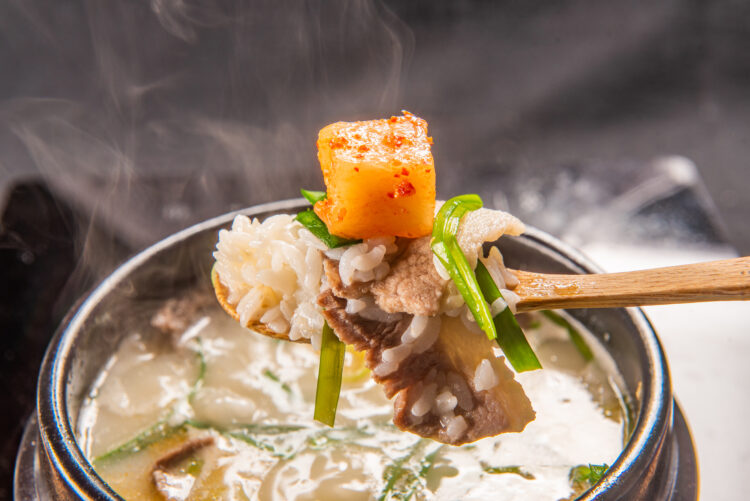
In Korea, "gukbap"—the practice of mixing rice directly into hot soups like seolleongtang (ox bone soup) or galbitang (short rib soup)—is a dietary staple. While satisfying, this eating style can have an immediate negative impact on glucose levels.
According to Dr. Lee, the primary issue is speed. "When you mix rice into soup, a meal that should take 10 minutes is often finished in three or four," he noted. This rapid consumption leads to sharp blood sugar spikes and poor digestion. Furthermore, as rice breaks down in hot broth, the starch softens and converts to glucose more quickly once ingested.
Dr. Lee also cautioned that traditional soups are often high in sodium, which increases the risk of hypertension. To mitigate these risks, he suggests:
Eating Separately: Keep rice and soup in different bowls to encourage chewing.
Sequencing: Consume vegetables and protein first to create a "fiber buffer" that slows sugar absorption.
Mindful Chewing: Avoid the tendency to swallow softened rice without proper mastication.
By making these small adjustments—staying hydrated and changing the way rice is consumed—individuals can significantly improve their long-term blood sugar stability and cardiovascular health.