Luxury cars, designer watches, and high-end fashion—to the truly wealthy, these are no longer the ultimate status symbols. If you are battling chronic conditions like hypertension or diabetes, or if your joints and spine are in constant pain, no material possession can capture your interest.
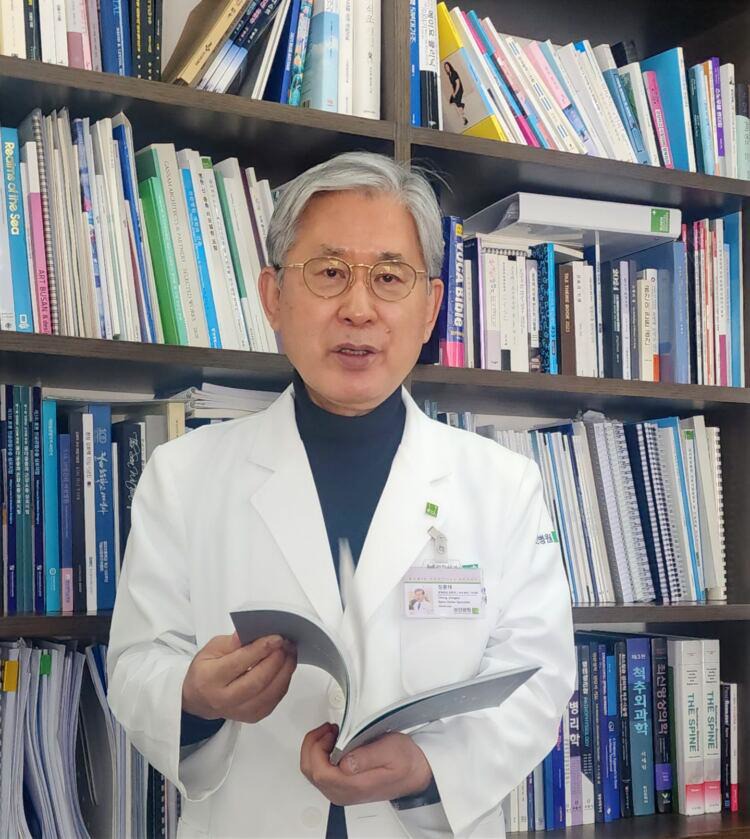
True wealth today is measured by health. Only with physical vitality can one travel the world and enjoy life’s finest experiences. Dr. Heung-tae Jung, an orthopedic surgeon who has spent four decades treating musculoskeletal conditions and now oversees seven medical facilities nationwide, has long recognized this global shift. His philosophy on joint health in later life is unconventional: he doesn't start with how to perform surgery, but how to avoid it.
At what age should we realistically start worrying about joint health?
"I tell patients to start in their 50s. Once joints are damaged, the process is difficult to reverse. You must manage them before they hurt. Osteoarthritis involves the gradual wearing away of cartilage, and because cartilage lacks nerves, you often don't feel pain until the damage is significant. By the time you feel an ache, the condition has already progressed."
This is why Dr. Jung champions "early intervention." While aging makes osteoarthritis difficult to avoid entirely, the speed of its progression depends almost entirely on proactive management.
What are the warning signs we should look for?
"If your knees ache while using stairs, if they feel warm or swollen, or if you experience stiffness and 'locking' in the morning, do not brush it off. A single X-ray can immediately reveal narrowed joint spaces or bone deformation. Many older patients endure pain for years and only seek help when it’s late. You may not be able to stop cartilage from wearing down, but you can certainly prevent it from wearing down faster."
This preventive mindset is the driving force behind the Bumin Prestige Lifecare Center (BPLC), where advanced screenings and "pre-disease management" are the primary focus.
What daily habits are most critical for protecting our joints?
"Weight, muscle, and posture. When you carry excess weight, the load on your knees multiplies with every step. Conversely, if your thigh muscles weaken, your joints must bear that physical burden directly. Low-impact exercises like walking, swimming, and cycling are essential. Furthermore, habits like squatting or sitting on the floor place immense pressure on knee cartilage. Simply correcting your everyday posture can extend the lifespan of your joints by years."
How do you determine when it is time for surgery versus continuing conservative care?
"The most important criterion is not the X-ray, but the patient's quality of life. Even if an image looks severe, if you can live without significant pain, there is no rush for surgery. However, if pain prevents sleep or makes a 10-minute walk impossible, surgery should be considered.
Crucially, an internal medicine evaluation is mandatory before any decision. We must confirm that underlying conditions—like cardiovascular disease or diabetes—are stable enough for anesthesia. Fixing a joint is only 'half of medicine' if the patient struggles with systemic complications afterward. This is why Bumin insists on a collaborative care structure between orthopedics, neurology, and cardiology."
For those afraid of the operating table, what treatments can delay surgery?
"Non-surgical options have expanded significantly. We utilize extracorporeal shock wave therapy, specialized manual therapy, and rehabilitative exercises. We are also focusing heavily on advanced regenerative medicine, such as stem cell therapy to reconstruct worn cartilage. This can change the paradigm by preventing the need for an artificial joint entirely."
What does recovery look like today compared to the past?
"The old idea that severe pain is 'natural' after surgery is obsolete. We use multifaceted pain-control programs and aim to get patients walking on the day of surgery or the very next day. Early mobility speeds recovery and reduces complications. Because artificial joints have a finite lifespan, we also teach patients how to avoid high-load postures to ensure their new joints last as long as possible."
If you could summarize the core of healthy aging in one sentence, what would it be?
"Modern medicine must focus on preventing disease, detecting it early, and ensuring a full return to everyday life. It isn't enough for a hospital to simply 'do surgery well.' We must take responsibility for the entire journey—from prevention to recovery. Getting patients back to work, back to exercise, and back to their lives is the new standard demanded by a super-aged society."