The GLP-1 receptor agonist class of drugs, widely used for the treatment of obesity and type 2 diabetes, has demonstrated significant success in weight loss and blood sugar control. However, emerging research suggests that elderly patients may require additional clinical management to protect their bone health while on these medications.
According to a study published in the Journal of Clinical Endocrinology & Metabolism, elderly patients with type 2 diabetes who began using GLP-1 drugs faced approximately an 11% higher risk of fragility fractures compared to those using other diabetes treatments.
Dr. Michal Kasher Meron, an endocrinologist at Israel's Meir Medical Center and the lead researcher, noted that while the percentage increase may appear modest, it is clinically significant. "The elderly and patients with diabetes are already at a higher risk for fractures," Dr. Kasher Meron explained.
Fragility fractures occur from relatively minor impacts, such as a light fall or routine movements. Often associated with osteoporosis, these injuries in the elderly can lead to prolonged hospitalization, functional decline, and a diminished quality of life.
The study followed approximately 46,000 adults aged 65 and older over a three-year period. Even after adjusting for various health variables, the fracture risk remained statistically higher in the GLP-1 user group. However, researchers clarified that it remains uncertain whether the results stem from the direct pharmacological effects of the drug or secondary factors such as rapid weight loss, dietary shifts, or a reduction in muscle mass. As an observational study, it does not definitively establish causality.
Signs of Increased Osteoporosis and Gout Observed
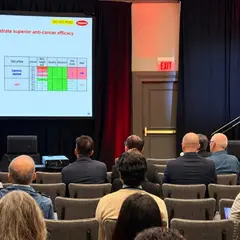
Separate research presented at the annual meeting of the American Academy of Orthopaedic Surgeons (AAOS) in New Orleans, Louisiana, raised similar concerns. An analysis of data from 146,000 obese adults with type 2 diabetes revealed that patients using GLP-1 drugs had a 29% higher risk of developing osteoporosis over five years compared to non-users.
The incidence of gout was also slightly higher, at 7.4% for GLP-1 users compared to 6.6% in the control group. Rare cases of osteomalacia—a condition that softens the bones—were also observed more frequently in the user group. This study has not yet undergone peer review and is also observational in nature.
How Rapid Weight Loss Affects Bone Density
Experts suggest several mechanisms behind these findings. GLP-1 drugs suppress appetite, often leading to rapid weight loss. A significant reduction in body weight decreases the mechanical load placed on the skeleton, which can potentially lower bone density.
Dr. John Honef, a clinical associate professor of orthopaedic surgery at the University of Pennsylvania and co-author of the study, likened the effect to that experienced by astronauts. Just as microgravity reduces the need for bones to support weight, rapid weight loss may operate on a similar principle. Furthermore, decreased meal sizes can lead to deficiencies in essential nutrients like calcium, vitamin D, and protein. There is also speculation that uric acid levels may temporarily spike during rapid weight loss, triggering gout.
Balancing Drug Benefits with Proper Management
Medical experts emphasize that these findings should not discourage the use of GLP-1 medications, which have proven benefits for cardiovascular health and diabetes management. Instead, they advise that bone health monitoring should be integrated into the treatment plan, particularly for elderly or long-term users.
Clinicians recommend bone density assessments before starting treatment, alongside a focus on adequate nutrient intake and resistance training to preserve muscle and bone mass.
Novo Nordisk, the manufacturer of semaglutide (marketed as Ozempic and Wegovy), stated that patient safety is their top priority and that they continue to monitor ongoing research. The company noted that semaglutide has shown clear benefits in cardiovascular, kidney, and liver health under medical supervision, adding that "osteoporosis is a disease that occurs over a long time due to the complex interplay of various risk factors."
Frequently Asked Questions
Q1. What are GLP-1 class drugs? GLP-1 receptor agonists are medications that lower blood sugar and suppress appetite. They are widely used for type 2 diabetes and obesity, with notable examples including Ozempic and Wegovy.
Q2. Does using GLP-1 drugs definitely increase fracture risk? The studies observed a statistical association, but because they are observational, they do not prove the drug is the direct cause. Factors like rapid weight loss and nutritional changes likely play a combined role.
Q3. How can I maintain bone health during treatment? Experts recommend a baseline bone density assessment and ensuring a diet rich in calcium, vitamin D, and protein. Incorporating strength training is also vital for maintaining bone and muscle integrity.