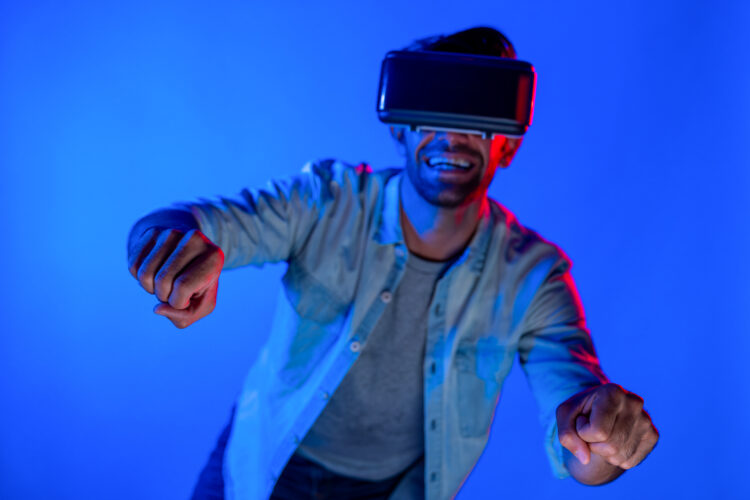
Ms. A, a 37-year-old professional looking to refresh her driving skills after years of inactivity, recently visited a 3D simulator center. Although the high-definition visuals and the kinetic feedback of the simulator chair mirrored an actual vehicle, she was quickly overcome by an inexplicable wave of dizziness and nausea. Ultimately, she had to cut her session short, unable to complete her reserved practice time.
As Virtual Reality (VR) and Augmented Reality (AR) technologies become increasingly mainstream, more people are reporting symptoms similar to those of Ms. A. This phenomenon, known as cybersickness—or "VR motion sickness"—describes a physical reaction to a virtual environment that occurs despite the absence of actual physical travel. Notably, these symptoms are not limited to high-tech headsets; they can also be triggered by fast-paced smartphone videos or gaming.
The Science of Sensory Conflict
While the symptoms of cybersickness mirror those of traditional motion sickness, the underlying causes are fundamentally different. Standard motion sickness occurs when the vestibular system in the inner ear detects physical vibrations or movements that the eyes may not see (such as being in the cabin of a ship).
In contrast, cybersickness arises from sensory conflict. Humans perceive movement by synthesizing visual data, vestibular information from the inner ear, and proprioceptive signals from the body. In a VR environment, the eyes report rapid movement or high-speed turns to the brain, but the inner ear and body signal that the person is sitting still. This neurological mismatch causes the brain to enter a state of confusion, manifesting as physical illness.
Common Symptoms and Triggers
The typical profile of cybersickness includes dizziness, nausea, headaches, and significant eye fatigue. Many sufferers also report a loss of spatial orientation, cold sweats, and sudden bouts of drowsiness.
Technological factors often exacerbate the condition. Cybersickness is most prevalent when the on-screen frame rate drops or appears unnaturally interrupted, creating a "lag" that the brain finds jarring. Excessive changes in the digital field of view or movements that do not align with human expectations of physics further widen the gap between visual input and bodily sensation, intensifying the discomfort.
Prevention and Management
To mitigate the effects of cybersickness, experts recommend a gradual approach to virtual content. Key preventative measures include:
Time Management: Limiting initial exposure to VR or smartphone gaming and taking frequent breaks to allow the senses to recalibrate.
Immediate Cessation: Stopping the activity the moment the first sign of discomfort appears; "pushing through" often leads to prolonged recovery times.
Content Selection: Prioritizing content with stable frame rates and appropriate movement speeds.
Physical Posture: Using devices in a stable, grounded posture to provide the body with consistent sensory feedback.