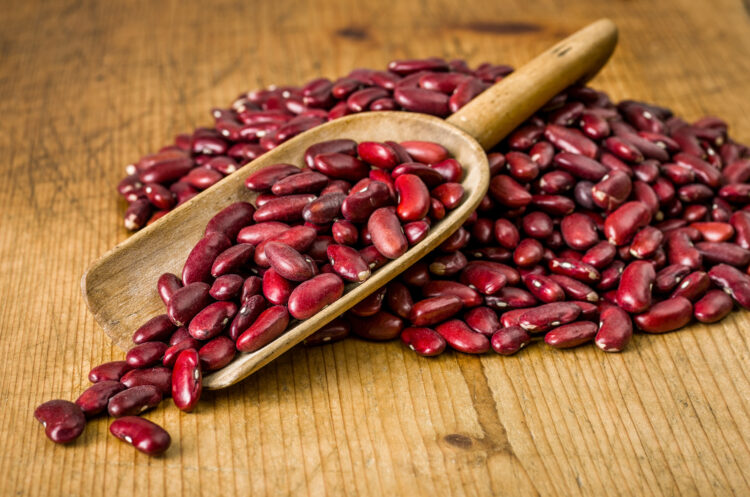
Legumes are a staple of mixed-grain rice, but their health benefits extend far beyond being a simple side dish. Among them, kidney beans are particularly noteworthy for containing natural compounds that inhibit alpha-amylase, the digestive enzyme responsible for breaking down starch into sugar. By slowing this process, kidney beans ensure that blood glucose levels rise gradually rather than spiking sharply after a meal. While most commonly added to rice, these beans can also be brewed into a nutritious tea, similar to traditional barley tea.
The Power of Resistant Starch and Soluble Fiber
Kidney beans are exceptionally rich in resistant starch and soluble dietary fiber. Unlike simple carbohydrates, resistant starch is not fully broken down in the small intestine; instead, it travels to the large intestine, slowing the overall rate of sugar absorption.
According to a study published in The American Journal of Clinical Nutrition, individuals who regularly include legumes in their diet demonstrate significantly slower post-meal blood glucose responses and more stable insulin secretion compared to those who do not. Because of these potent properties, kidney bean extract is frequently utilized as a key ingredient in pharmaceutical carbohydrate-blocking supplements.
Cardiovascular and Gut Health Benefits
The benefits of kidney beans extend to the circulatory system. The soluble fiber in the beans binds with bile acids in the intestines and facilitates their excretion, which in turn reduces the body’s absorption of cholesterol. Regularly consuming kidney bean rice or tea can therefore help lower the long-term risk of atherosclerosis and other cardiovascular diseases.
Furthermore, the dietary fiber acts as a prebiotic, serving as essential fuel for beneficial gut microorganisms. Consistent legume consumption has been shown to diversify the gut microbiome, a key indicator of overall metabolic health.
A Critical Safety Note: Cook Thoroughly
While kidney beans are a nutritional powerhouse, they must be prepared with care. Raw or undercooked kidney beans contain a toxic protein called phytohaemagglutinin, which can cause severe vomiting and abdominal distress. To neutralize this toxin, it is essential to soak the beans sufficiently and boil them at a temperature of at least 100°C for a minimum of 10 minutes. Once properly cooked, they are a safe and highly effective tool for long-term health management.