In large-scale studies conducted by U.S. national institutions and Harvard Medical School—such as the ATBC, CARET, SELECT, and VITAL studies introduced in the last column—it was confirmed that antioxidants like vitamins A, C, D, and E had no effect or even caused serious side effects contrary to expectations.
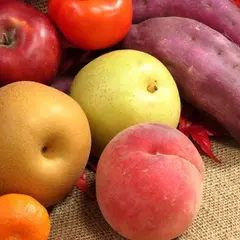
As a result, the belief that "nutritional supplements are safe" has been shattered. No matter how beneficial a nutrient is, taking it in the form of artificially concentrated pills can lead to unexpected side effects. However, consuming fruits and vegetables rich in 'antioxidants' definitely makes people healthier and prevents early death.
The Myth of Antioxidant Supplements: Why Has It Been Broken?
A study tracking 6,100 U.S. adults for about 28 years at Johns Hopkins University found that those who consumed a high amount of fruits and vegetables had a 37% lower total mortality rate, a 35% lower cancer mortality rate, and a 24% lower cardiovascular disease mortality rate compared to those who consumed less. These results align with the general recommendation to consume five servings of fruits and vegetables a day [1]. (*One serving is based on the USDA standard of 125g, roughly equivalent to one medium-sized apple.)
A meta-analysis of 69 related studies found that higher dietary intake or blood levels of vitamin C, carotenoids, and $\alpha$-tocopherol were associated with a reduced risk of cardiovascular disease, overall cancer incidence, and mortality from all causes. This result is likely due to the "combined effects" of various beneficial components in fruits and vegetables rather than the individual effects of each antioxidant. Therefore, for the prevention of chronic diseases, it is recommended to consume fruits and vegetables as 'food' rather than antioxidant 'supplements' [2].
In a study tracking about 135,000 people across 18 countries, those who consumed a high amount of fruits, vegetables, and legumes had significantly lower mortality rates from cardiovascular and non-cardiovascular causes. Consuming 3–4 servings a day (375–500g) was as effective as consuming larger amounts in reducing overall mortality.
How Fruits and Vegetables Reduce Disease Risk
Higher consumption of fruits, vegetables, and legumes lowers the risk of cardiovascular disease because antioxidants like vitamin C, vitamin E, and carotenoids prevent lipid oxidation in arterial blood vessels and improve endothelial function. Furthermore, dietary fiber improves insulin resistance and lowers cholesterol and triglyceride levels [3].

Currently, WHO guidelines recommend a minimum of five servings a day. However, global consumption falls short. According to a global health survey of 52 low- and middle-income countries, only 22% of people meet this target. This rate is similar in developed countries, with the U.S. at 25% and the U.K. at 24% [4] (*South Korea is 25% [5]).
Vitamin Supplements Are Neither Safe Nor Effective
In 2003, the FAO and WHO recommended a minimum of five servings (400g) of fruits and vegetables per day for chronic disease prevention [6, 7]. Data from the Harvard T.H. Chan School of Public Health indicates that high-dose antioxidant supplements are unlikely to have the same effects as food.
For example, one cup of fresh strawberries contains about 80mg of vitamin C. However, a 'supplement' containing 500mg of vitamin C (667% of the daily recommended amount) does not contain polyphenols like anthocyanins or flavonoids naturally present in strawberries. Antioxidants are most effective when they work together with other nutrients and phytochemicals, so a supplement made from a single component is bound to be less effective [8].
Nutrients and Foods with Antioxidant Functions
Vitamin C: Broccoli, Brussels sprouts, melon, cauliflower, grapefruit, green leafy vegetables (turnip, mustard, beet, collard), kale, kiwi, lemon, orange, papaya, peas, strawberries, sweet potatoes, tomatoes, and bell peppers (all colors).
Vitamin E: Almonds, avocados, Swiss chard, green leafy vegetables (beet, mustard, turnip), peanuts, red bell peppers, spinach (cooked), and sunflower seeds.
Carotenoids (beta-carotene and lycopene): Apricots, asparagus, beets, broccoli, melon, carrots, bell peppers, kale, mango, turnip, collard greens, oranges, peaches, pink grapefruit, pumpkin, spinach, sweet potatoes, tangerines, tomatoes, and watermelon.
Polyphenols: Quercetin (apples, red wine, onions), catechins (tea, cocoa, berries), resveratrol (red and white wine, grapes, peanuts, berries), coumarin (spices, berries), and anthocyanins (blueberries, strawberries).
Reasons Why Antioxidants from Food Are Better Than Supplements
Antioxidants in food work in a complex structure: These components are not single nutrients but a complex mixture of hundreds to thousands of components designed to create 'synergy' and work efficiently in the body.
Food has little risk of overconsumption: Supplements are often taken in high doses at once, which can lead to gastrointestinal disturbances or diarrhea. In contrast, antioxidants in food are absorbed slowly due to dietary fiber, which also feeds beneficial gut bacteria and provides systemic anti-inflammatory effects.
Food-based intake is associated with reduced disease risk: Large observational studies consistently link higher intake of antioxidant components consumed as 'food' with reduced risks of cardiovascular disease and early death. Most studies conclude supplements have little effect on chronic disease prevention.
Medical and Nutritional Recommendations: As recommended by the Harvard T.H. Chan School of Public Health, maintaining a diet rich in various sources like fruits, vegetables, nuts, and whole grains is best for health. Because antioxidants differ by color, the best approach is to "eat the rainbow" [9]. The fruits and vegetables you eat daily are your best medicine.
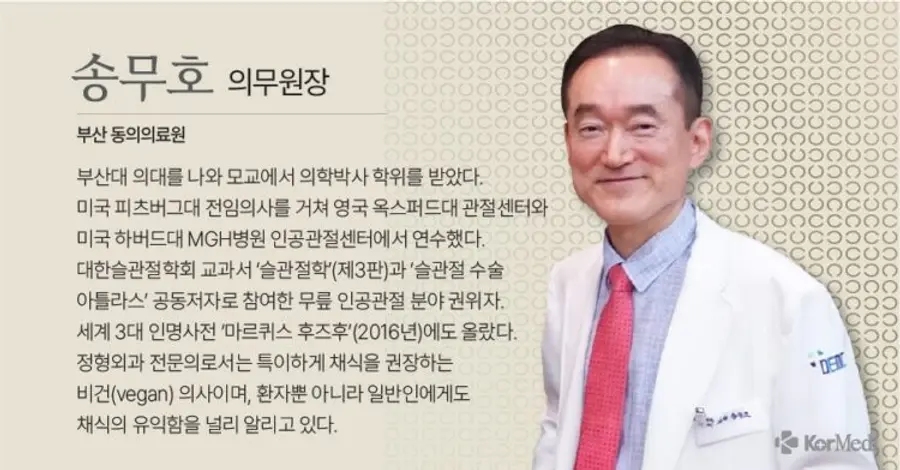
Dr. Song Mu-ho Medical Doctor, Specialist in Orthopedics and Lifestyle Medicine
References
1. JM Genkinger, EA Platz, SC Hoffman, et al. Fruit, vegetable, and antioxidant intake and all-cause, cancer, and cardiovascular disease mortality in a community-dwelling population in Washington County, Maryland. American journal of epidemiology 2004;160(12):1223-1233.
2. D Aune, N Keum, E Giovannucci, et al. Dietary intake and blood concentrations of antioxidants and the risk of cardiovascular disease, total cancer, and all-cause mortality: a systematic review and dose-response meta-analysis of prospective studies. Am J Clin Nutr 2018;108(5):1069-1091.
3. V Miller, A Mente, M Dehghan, et al. Fruit, vegetable, and legume intake, and cardiovascular disease and deaths in 18 countries (PURE): a prospective cohort study. Lancet 2017;390(10107):2037-2049.
4. A Jayedi, A Rashidy-Pour, M Parohan, et al. Dietary antioxidants, circulating antioxidant concentrations, total antioxidant capacity, and risk of all-cause mortality: a systematic review and dose-response meta-analysis of prospective observational studies. Advances in Nutrition 2018;9(6):701-716.
5. Hankyoreh https://www.hani.co.kr/arti/hanihealth/healthlife/1166465.html
6. FAO https://openknowledge.fao.org/server/api/core/bitstreams/9d071dca-6b05-4730-b9f2-2a53c48a3c6c/content/src/html/good-for-you.html
7. BDA https://www.bda.uk.com/resource/food-facts-portion-sizes.html
8. Harvard T.H. Chan https://nutritionsource.hsph.harvard.edu/antioxidants/?utm_source
9. Harvard health publishing https://www.health.harvard.edu/blog/phytonutrients-paint-your-plate-with-the-colors-of-the-rainbow-2019042516501