New research indicates that the class of drugs used in popular weight loss injections may do more than shed pounds; they could lower the risk of fatal complications following a myocardial infarction (heart attack).
A study conducted by researchers from the University of Bristol and University College London (UCL) suggests that GLP-1 (glucagon-like peptide-1) receptor agonists may reduce cardiac tissue damage and facilitate blood flow recovery. The findings, titled "GLP-1 activates KATP channels in coronary pericytes as the effector of brain-gut-heart signalling mediating cardioprotection," were recently published in the international journal Nature Communications.
Targeting the "No-Reflow" Phenomenon
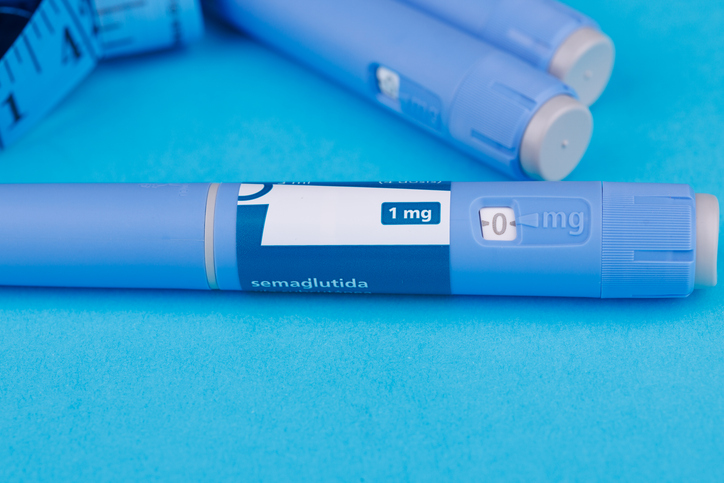
The GLP-1 class includes semaglutide, the active ingredient in the obesity treatment Wegovy and the diabetes medication Ozempic. While these drugs are famous for weight loss, their cardiovascular benefits have become a major point of clinical interest. Some studies have already suggested they lower the risk of major adverse cardiovascular events independently of weight loss.
This specific study focused on a complication known as "no-reflow." This occurs when, even after a blocked coronary artery is successfully reopened through revascularization, the microscopic vessels within the heart muscle remain constricted. This prevents oxygenated blood from reaching the heart tissue, occurring in up to half of all heart attack patients and significantly increasing the risk of heart failure.
"In some patients, the smallest vessels in the heart muscle remain narrowed even after the main blockage is cleared," explained Dr. Svetlana Mastitskaya, a cardiovascular researcher at the University of Bristol and co-author of the study. "This leads to the no-reflow phenomenon where blood cannot reach vital heart tissues."
How GLP-1 Protects the Heart
Using murine models, the research team analyzed how GLP-1 signaling affects the heart's microvascular function. They discovered that GLP-1 activates specific potassium channels (KATP channels) in endothelial cells, improving overall blood flow.
During this process, cells called pericytes—which wrap around and regulate the diameter of small blood vessels—begin to relax. This relaxation alleviates the constriction on the microvessels, allowing them to open and deliver blood effectively. The researchers believe this mechanism could prevent the deterioration of heart function and minimize permanent tissue damage.
Potential for Emergency Medicine
The research team suggests that these drugs could potentially be administered to patients during the acute phase of a heart attack, even if they have never used the medication before. "This drug could theoretically be administered by paramedics during transport or used during the procedure to reopen blocked arteries," said Dr. Mastitskaya, though she noted that human clinical trials are strictly necessary to confirm this.
Professor David Attwell of UCL added that while GLP-1 drugs are currently approved for diabetes, obesity, and kidney disease, this study opens the door for their use as a targeted treatment to ensure proper blood flow in emergency cardiac care.
Frequently Asked Questions
Q1. What are GLP-1 class drugs? GLP-1 (glucagon-like peptide-1) receptor agonists are medications that regulate blood sugar and suppress appetite. They are widely used to treat type 2 diabetes and obesity, with Wegovy and Ozempic being the most well-known examples.
Q2. What is the "no-reflow" complication? It is a condition where the microvessels in the heart muscle fail to reopen properly after the primary blocked artery has been cleared. This results in a lack of blood supply to heart tissues, often leading to decreased heart function.
Q3. Can weight loss injections currently be used to treat heart attacks? While the research is promising, it is currently in the animal testing stage. Additional human clinical trials are required before this can be implemented as a standard of care in emergency medicine.