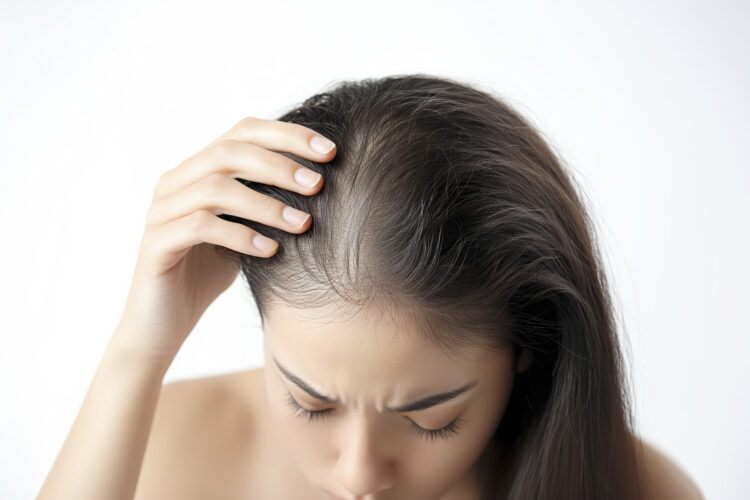
For many middle-aged women, a glance in the mirror reveals a troubling change: a part that looks wider than it used to or a scalp that is more visible under the bathroom lights. While hair loss is often stereotyped as a male concern, statistics from the Health Insurance Review and Assessment Service show a steady increase in women seeking clinical treatment for thinning hair.
In particular, women in their 40s to 60s frequently experience a loss of density at the crown. Far from being a simple cosmetic nuisance, female-pattern hair loss is a complex health issue driven by a combination of hormonal shifts, nutritional gaps, and systemic stress. Understanding these primary causes is the first step toward effective management.
The Menopausal Turning Point: Hormonal Shifts
The most common driver of hair loss in mature women is the hormonal transition surrounding menopause. Estrogen plays a vital role in maintaining a healthy, stable hair growth cycle. As menopause approaches, estrogen levels drop sharply, causing a relative increase in the influence of androgens (male hormones).
This shift leads to "female-pattern hair loss," characterized by thinning at the crown and a gradual widening of the part, rather than the receding hairline typically seen in men. Because this process is often subtle at first, many women dismiss it as natural aging. However, clinical intervention is most effective when started early, before the hair follicles permanently shrink.
Nutritional "Starvation": The Impact of Diet and Anemia
Extreme dieting and nutritional imbalances can effectively "starve" the hair follicles. When caloric or protein intake is severely restricted for rapid weight loss, the body prioritizes essential organ functions, diverting energy away from "secondary" processes like hair growth.
Iron deficiency is a particularly prevalent cause of hair loss among women. When accompanied by anemia, the oxygen supply to the scalp diminishes, causing hair to shed prematurely. Essential nutrients—including protein, zinc, and Vitamin D—are the building blocks of hair health. Even during weight loss, maintaining a balanced intake of these elements is crucial to prevent accelerating hair fall.
Stress and Sleep: Disrupting the Growth Cycle
Chronic stress is a known catalyst for "telogen effluvium," a condition where a high percentage of hair follicles prematurely enter the resting phase. Following a period of intense mental shock, overwork, or persistent lack of sleep, hair can begin to shed in large volumes several months later.
Middle-aged women often juggle the "sandwich generation" roles of career, childcare, and elderly parental care, making stress management difficult. Furthermore, poor sleep quality reduces the secretion of growth hormones necessary for follicular recovery. In these cases, correcting the daily lifestyle rhythm is often more effective than simply switching shampoos.
Underlying Medical Conditions and Scalp Health
If hair loss is sudden or accompanied by the thinning of eyebrows and body hair, underlying medical issues should be investigated. Thyroid disorders, such as hypothyroidism or hyperthyroidism, directly disrupt the hair growth cycle. Additionally, chronic scalp conditions like seborrheic dermatitis can inflame the follicles and worsen shedding.
If the scalp is persistently red, itchy, or flaky, it may indicate an environment that cannot support healthy hair. Experts recommend that if hair loss persists for more than six months or progresses rapidly, a consultation with a dermatologist or an internal medicine specialist is necessary to identify the exact cause and begin targeted treatment.