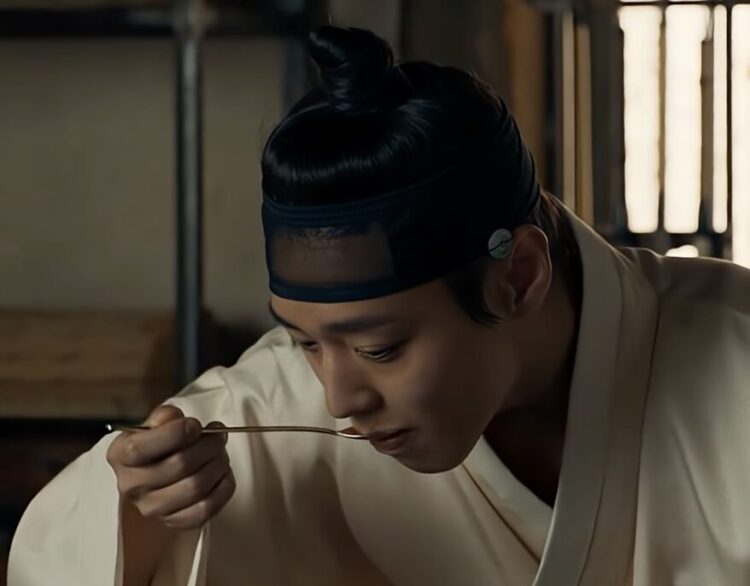
As the movie ‘The King’s Affection’ (hereafter referred to as The King’s Affection) is on the verge of surpassing 10 million viewers, interest in the sights and foods of Yeongwol, Gangwon Province, which serves as the backdrop for the film, is also rising.
Covering King Danjong’s dethronement, exile, and death, ‘The King’s Affection’ portrays the relationship between the exiled young king and the people of Gwangcheonggol, a mountain village in Yeongwol, in a simple manner, delivering laughter and emotion to the audience.
In particular, with the film's popularity, the number of visitors to Cheongnyeongpo, the filming location and exile site of King Danjong, continues to increase. During the last Lunar New Year holiday, the number of tourists visiting Cheongnyeongpo exceeded 10,000, which is more than five times the previous year (2,006 people).
Along with this, interest in the side dish ‘Asparagus’ that the people of Gwangcheonggol carefully prepared for King Danjong is also growing. Made from the humble ingredients unique to Gangwon Province, what kind of food is Asparagus that it made it to King Danjong's table? Comedy.com Healthstagram looked into Asparagus.
A Nutritious Side Dish on the King’s Royal Table, Asparagus
‘Asparagus’ means ‘vegetables that appear on the king’s royal table’ and grows from mid-March to May, or as late as early June. It is said that there was a cluster of Asparagus in Cheongnyeongpo, making it easily accessible, which is why it appeared on the table during the early part of King Danjong’s exile (June to November). It also prominently appears on the table in the film.
Asparagus is a mountain vegetable that is in season in late spring, characterized by its slightly bitter yet sweet taste and chewy texture.
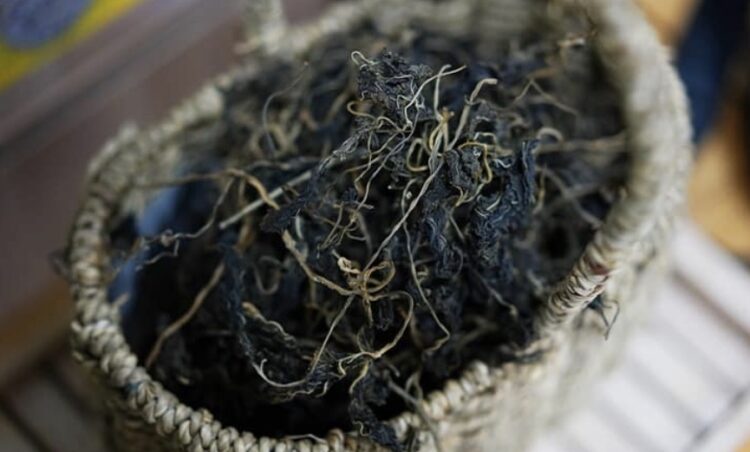
Even before the film's release, some restaurants in Yeongwol have been selling a menu called ‘Danjong’s Table’. This dish involves cooking Asparagus with rice in a pot, making it a healthy meal rich in various nutrients.
First, the sprouts of Asparagus are rich in a component called ‘coumarin’, which has a unique aroma. This enhances the slightly bitter and sweet flavor when cooking rice. Additionally, the roots have effects that suppress chronic inflammation and prevent osteoporosis, so consuming it in extract form can be beneficial. The leaves are rich in antioxidants such as saponins and polyphenols, helping to remove toxins from blood vessels and prevent cerebrovascular diseases.
Of course, the taste itself is excellent. It is usually eaten as a seasoned vegetable, in wraps, or in pot rice, with a fragrant and subtle aroma similar to water parsley, leaving a slightly bitter aftertaste. It has the advantage of harmonizing well with any food, which is why it is classified as a high-quality mountain vegetable. It is considered one of the top three aromatic vegetables in the country along with Chwinamul and Chamnamul.
The long-awaited 10 million movie is revitalizing the stagnant Korean film industry and tourism in Yeongwol. Experiencing the side dish that King Danjong actually ate during the upcoming season of Asparagus could be a meaningful experience.
Editor’s Note: The fragrant yet slightly bitter Asparagus seems to resemble King Danjong’s exile itself.