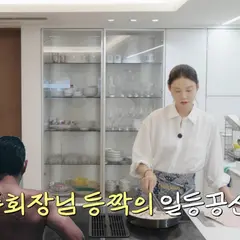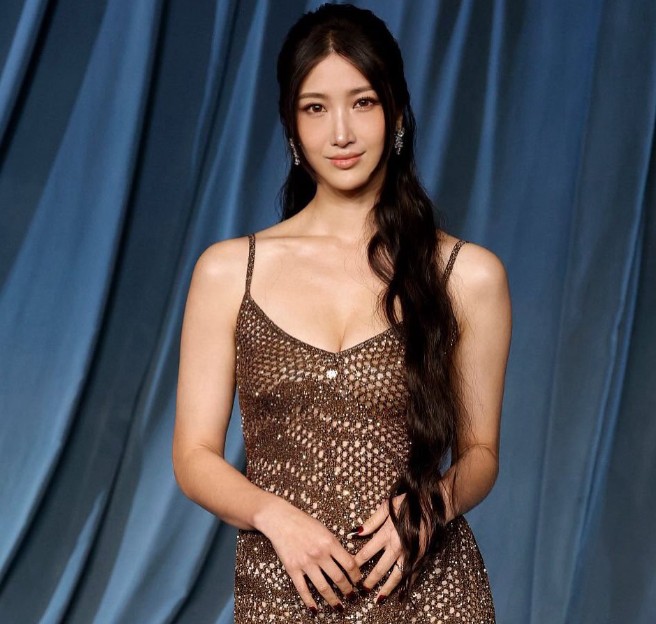
Korean-American singer-songwriter EJAE (Kim Eun-jae, 34) is stepping into the global spotlight after her track "Golden," the featured song for the Netflix animation K-Pop: Demon Hunters, secured the Golden Globe for Best Original Song. A former trainee at SM Entertainment and the granddaughter of veteran actor and philanthropist Shin Young-kyun, EJAE is now sharing the rigorous health regimen that supports her transition from behind-the-scenes composer to award-winning artist.
Vocal Recovery and the Power of Manuka
Following two recent bouts of bronchitis, EJAE has made vocal cord maintenance a top priority. Her primary defense against inflammation is Manuka honey, a specialty of New Zealand harvested from the flowers of the Leptospermum scoparium tree. These lozenges are rich in methylglyoxal (MGO), a natural antibacterial compound known to reduce internal inflammation and boost the immune system. For performers frequently exposed to the dry air of "transitional seasons," Manuka honey helps soothe throat pain and maintain oral health by keeping the vocal mucosa hydrated.
Combating 'Red Carpet Dehydration'
EJAE highlighted a phenomenon she calls "red carpet dehydration," noting that the physical exertion of constant interviewing and the adrenaline of high-stakes events are often more taxing than a stage performance. To combat this, she utilizes a systematic approach to hydration.
Sufficient water intake lowers the viscosity of the vocal cord mucosa, facilitating the vibrations necessary for singing. Medical experts suggest that the most effective way to hydrate is drinking approximately 200ml of lukewarm water 8 to 10 times a day to maximize absorption. Notably, because caffeine acts as a diuretic, experts recommend replenishing the body with double the amount of water for every caffeinated beverage consumed.
Scalp Tension and Hair Health
Beyond hydration, EJAE emphasizes scalp massage as a tool for both tension relief and the prevention of hair loss. She utilizes a rounded wooden massager to target the scalp’s aponeurosis—a fibrous tissue layer that often becomes rigid under stress.
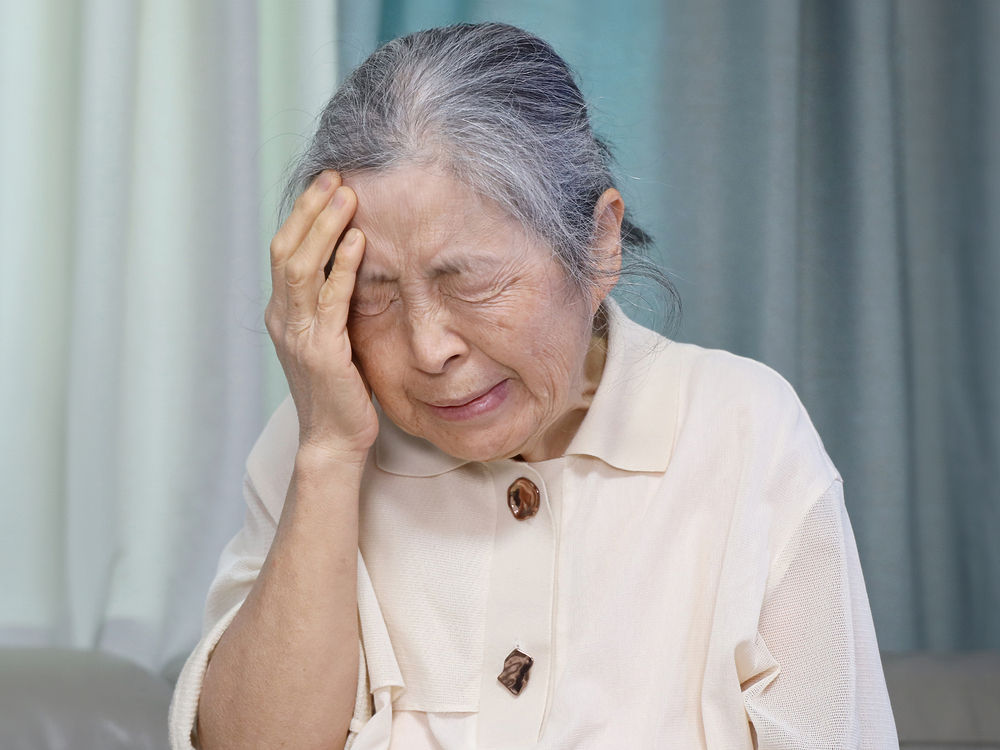
Anatomically, a tight scalp hinders blood circulation, which can trigger headaches and block the supply of essential nutrients to the hair roots. This lack of circulation is a known contributor to telogen effluvium, a form of temporary hair loss often induced by physical or emotional stress. EJAE focuses on the Baihui point (near the crown of the head); stimulating this area activates the parasympathetic nervous system. However, specialists warn that excessive pressure can lead to seborrheic dermatitis, so a gentle touch is essential.
Currently preparing for a single release in 2026, EJAE balances her physical routine with meditation and breathing techniques. Drawing on the tenacity developed during her years as a trainee, she aims to build a long-term career founded on a healthy body and a resilient mind.
Frequently Asked Questions
Q1. What is the most effective way to hydrate? Instead of drinking a large amount at once, it is most effective to drink about 200ml of lukewarm water frequently throughout the day, divided into 8 to 10 sessions, to increase the body’s absorption rate.
Q2. What precautions should be taken after consuming caffeine? Because coffee and tea promote diuresis (the expulsion of water), it is essential to replenish your system with double the amount of water relative to the caffeinated beverage consumed.
Q3. How does scalp massage help prevent hair loss? By relaxing a rigid aponeurosis through massage, blood circulation is improved. This ensures a steady supply of nutrients to the hair roots, helping to prevent temporary hair loss caused by high stress levels.