The most recognizable hallmark of a youthful appearance is smooth, firm, and wrinkle-free skin. As we age, the skin's natural oil and moisture levels decrease and elasticity wanes, making fine lines more likely. However, specific lifestyle habits can help maintain resilience far longer. Here are the essential care methods to keep your skin firm and vibrant.
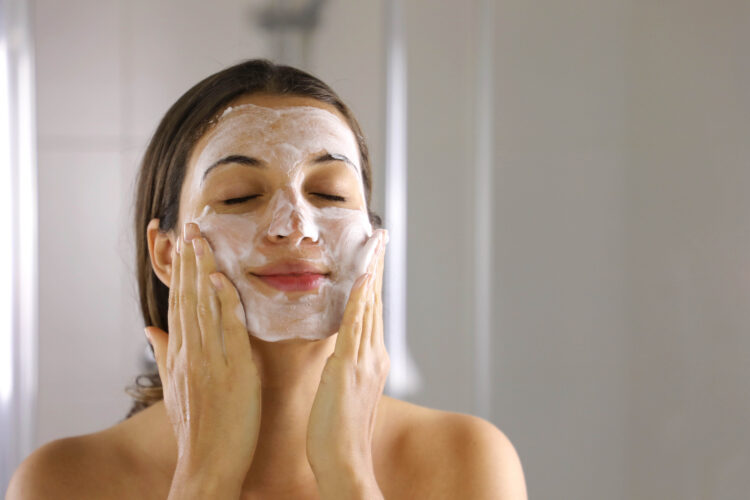
1. Avoid Over-Washing: Hydration is the Priority
While cleanliness is vital for preventing inflammation, washing too frequently can actually accelerate aging. Most cleansing products contain chemical surfactants that strip the skin of its natural lipids and weaken the protective barrier.
When the skin barrier breaks down, it leads to flaking and irritation. Severe dryness makes the skin feel tight and rough, significantly increasing the risk of deep wrinkles. To protect your skin, limit showers to under 10 minutes using lukewarm—not hot—water. It is preferable to use a mildly acidic (low pH) cleanser rather than harsh soaps, and always apply a moisturizer immediately afterward.
2. Master the '3-Minute Rule': The Key to Retaining Moisture
To lock in hydration, apply moisturizer within three minutes of washing your face or showering. For those with a severely damaged skin barrier, a "barrier-repair" moisturizer containing a physiological lipid mixture of ceramides, fatty acids, and cholesterol can help restore health.
Even if your skin isn't naturally dry, the low humidity of winter months requires consistent care. Using a product that combines humectants like 15% glycerol with occlusives like petroleum jelly provides an effective seal against moisture loss.
"Dry skin is the result of a complex interaction between lifestyle habits, aging, and environmental stress," says Kim Hyun-jung, a professor of dermatology at Gachon University Gil Medical Center. "To prevent damage, protecting the skin barrier and making moisturizing a daily ritual are essential."
3. Use Nourishing Creams Judiciously: More Isn’t Always Better
Applying thick layers of heavy cream to boost elasticity can backfire by clogging pores and triggering inflammation. It is better to choose a product suited to your skin type and apply an appropriate amount evenly.
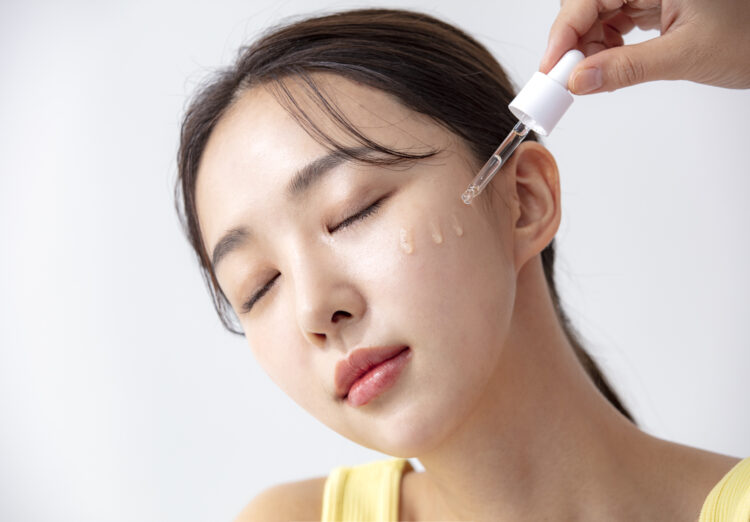
When applying firming serums, technique matters. Rather than habitually pulling the skin sideways—which can emphasize sagging—use your fingertips to gently press the product into areas prone to lines, such as the nasolabial folds and the corners of the mouth. After applying serum, cup your face with your palms for about 10 seconds to help it adhere before layering on cream.
4. Protect Your Collagen: Limit Sugary Foods
A high-sugar diet is a hidden enemy of skin health. Excessive sugar intake accelerates glycation, a reaction where glucose and fructose in the blood bind to skin proteins. This process forms advanced glycation end products (AGEs), which directly damage collagen and elastin structures.
In short, sugar causes the collagen in the skin to stiffen and harden. When this framework loses its flexibility, elasticity plummet, and wrinkles increase as the skin’s natural repair ability declines.
5. Prioritize Sleep to Manage Cortisol
Inadequate or irregular sleep impairs the skin’s regenerative cycle. Disrupted circadian rhythms raise levels of the stress hormone cortisol, which can increase vulnerability to inflammation.
"Going to bed late and waking up early has severe consequences that cannot be sustained," explains Joo Eun-yeon, a professor of neurology at Samsung Medical Center. "Sleep deprivation leads to hormonal imbalances. Specifically, it increases the release of the appetite-stimulating hormone ghrelin, which often leads to late-night snacking on processed carbohydrates." Since these dietary habits further accelerate skin aging, aiming for 7–8 hours of quality sleep is a fundamental pillar of skincare.