What is the most important factor in maintaining appropriate blood sugar levels? While weight, activity level, stress, and genetics all play a role, experts agree that following a healthy diet is paramount. While refined carbohydrates and added sugars cause dangerous fluctuations, certain nutrient-dense foods can optimize blood sugar control and enhance overall health.
Even for those who are not pre-diabetic, blood sugar management is essential. Repeated "spikes and drops" can lead to fatigue, increased appetite, and long-term insulin resistance. A diet that creates a gradual blood sugar curve is the foundation for weight management and metabolic health. Here are the foods scientifically proven to help.
Protein and Healthy Fats
Eggs: A concentrated source of protein and antioxidants. A 12-week study of 42 overweight adults found that eating one egg daily reduced fasting blood sugar by 4.4%. Furthermore, a 14-year study of 7,002 Koreans revealed that eating eggs 2–3 times a week lowered diabetes risk by 40%, particularly in men.
Seafood: Fatty fish like salmon, mackerel, and sardines are rich in protein and healthy fats. A 2017 study showed that consuming 750g of fatty fish per week significantly improved post-meal blood sugar levels compared to lean fish.
Nuts and Nut Butters: Incorporating peanuts and almonds into a low-carbohydrate diet has been shown to reduce hunger and post-meal glucose levels in patients with type 2 diabetes.
Vegetables and Seeds
Broccoli and Broccoli Sprouts: When chopped or chewed, broccoli produces sulforaphane, a phytochemical with strong anti-diabetic effects. Broccoli sprouts are even more concentrated in glucosinolates, which promote insulin sensitivity.
Okra: This vegetable contains rhamnogalacturonan, a powerful anti-diabetic polysaccharide, and flavonoids that help lower blood sugar by inhibiting specific enzymes.
Kale: A 2016 Japanese study found that consuming 7–14g of kale with a high-carb meal significantly reduced post-meal blood sugar levels due to antioxidants like quercetin and kaempferol.
Flaxseeds and Chia Seeds: Flaxseeds are rich in fiber; one study showed that 30g of flaxseeds in yogurt significantly reduced HbA1c. Similarly, 25g of chia seed powder has been shown to reduce blood sugar levels by 39% compared to a sugar solution alone.
Fruits and Whole Grains
Apples: High in soluble fiber and quercetin, eating an apple 30 minutes before a rice meal has been shown to significantly reduce post-meal spikes.
Berries: Red raspberries, strawberries, and blueberries enhance glucose removal from the blood. A 2019 study showed that two cups of raspberries with a high-carb meal significantly lowered insulin and blood sugar levels.
Avocado: Rich in healthy fats and minerals, avocados help prevent metabolic syndrome and lower glucose levels through fat reduction.
Citrus Fruits: Despite their natural sugars, oranges and grapefruits have a low-to-medium glycemic index. They contain naringenin, which has strong anti-diabetic properties.
Oats and Oat Bran: An analysis of 61 studies confirmed that oats significantly lower HbA1c and fasting blood sugar levels due to their high soluble fiber content.
Legumes and Fermented Foods
Legumes and Lentils: Rich in magnesium and resistant starch, adding black beans or chickpeas to rice has been shown to result in much lower blood sugar levels than eating rice alone.
Pumpkin and Pumpkin Seeds: Pumpkin is rich in polysaccharides used in traditional diabetes remedies. Pumpkin seeds specifically can reduce post-meal blood sugar by up to 35%.
Kefir and Yogurt: Fermented dairy products are associated with a lower risk of type 2 diabetes. Consuming 600ml of probiotic-rich kefir daily has been shown to significantly reduce fasting blood sugar.
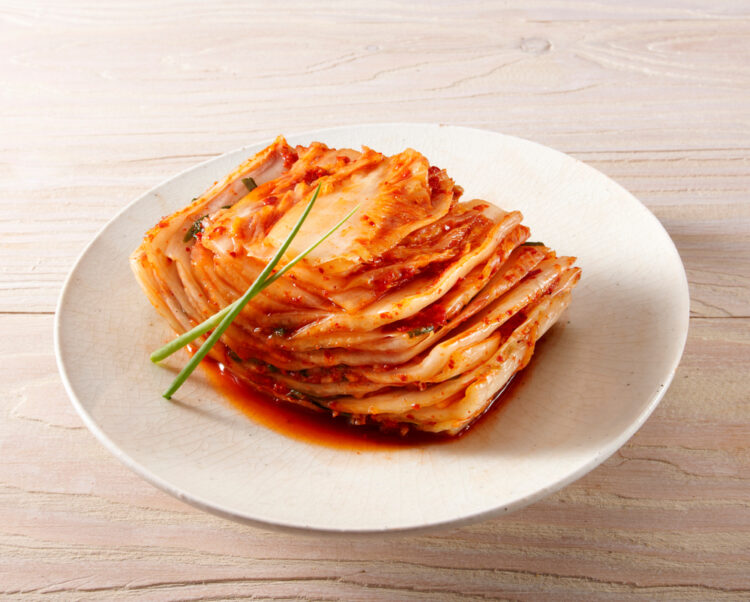
Kimchi and Sauerkraut: Probiotic-rich fermented foods like Korean kimchi are associated with improved insulin sensitivity. A 2021 review concluded that these foods have the greatest impact on individuals with poorly managed diabetes.
Expert advice concludes: "Even healthy foods should be consumed in appropriate amounts. A balanced intake of protein, fats, and fiber is necessary, as the same food can yield different responses depending on the cooking method and combination."