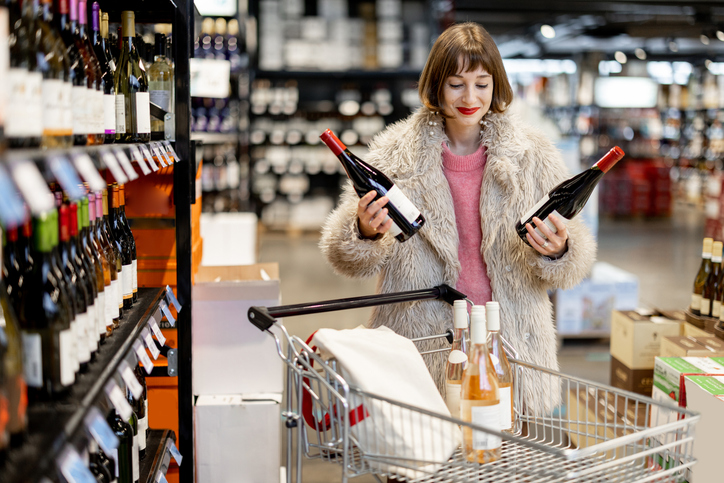
Whether you casually pick up a light Prosecco on your way home or carefully select a heavy Malbec for a milestone dinner, your choice may be driven by more than just a passing craving. New research suggests that our unique personality traits are deeply intertwined with our wine selections, acting as a hidden blueprint for the alcohol content we prefer.
A research team led by Professor Xiang, spanning Beijing Normal University and Hong Kong Baptist University, recently analyzed approximately 10,000 reviews from a major online wine platform. Using AI-based natural language processing to estimate the personality traits of reviewers, the study compared these psychological profiles with the alcohol by volume (ABV) of their purchased wines.
The findings, published in the Journal of Personality on February 17 under the title "From Personality to Pour," reveal a fascinating correlation between the "Big Five" personality traits and what we choose to drink.
Openness and Agreeableness: A Preference for Complexity
The analysis found that individuals scoring high in "openness" and "agreeableness" tend to gravitate toward wines with higher alcohol content. In the wine market, high-ABV bottles are often characterized by richer flavors, a heavier body, and a perception of higher quality.
Those with high openness are typically drawn to new sensory experiences and complex stimuli. The rich, layered profiles of high-alcohol wines likely align with their desire for intellectual and sensory depth. Meanwhile, for those high in agreeableness, the choice may reflect a social strategy; selecting a "high-quality" or robust wine may be a way to ensure positive evaluations and shared enjoyment in social settings.
Neuroticism and Extraversion: The Case for Low-Alcohol Wine
Conversely, individuals who rank high in "extraversion" and "neuroticism" showed a marked preference for wines with lower alcohol content.
For the extravert, the researchers proposed that choosing a lower ABV might be a strategic move to sustain social interactions. By opting for lighter wines, they can engage in social settings for longer periods without the dulling effects of excessive alcohol.
For those high in neuroticism—a trait characterized by emotional instability and stress sensitivity—the preference for low-alcohol wine may be a protective measure. These individuals may subconsciously avoid the physiological burdens or negative emotional outcomes often associated with higher alcohol consumption.
Interestingly, "conscientiousness" showed no significant correlation. Researchers believe this is because highly conscientious people face conflicting motivations: they might choose low-alcohol wine for health reasons, but could just as easily choose a high-alcohol vintage to manage their social image or reach a specific goal.
The Professional Pour: A 5-Step Tasting Guide
Beyond choosing the right bottle, experts suggest that how you drink is just as important as what you drink. Australian wine taster Caitlin Rees recommends a five-step sensory process to elevate the experience:
See: Observe the color, clarity, and concentration. The depth of the hue offers clues about the grape variety and aging process.
Swirl: Rotate the glass gently to aerate the wine. This "opens" the liquid, releasing aromatic molecules.
Smell: Take a deep breath to detect notes of fruit, wood, or spice, while checking for defects like oxidation.
Sip and Savour: Let a small amount of wine coat your entire tongue to evaluate its acidity, sweetness, tannins, and body.
Spit or Swallow: If swallowing, let the wine glide over the back of the tongue slowly to fully appreciate the intensity of the finish.
These research insights are expected to pave the way for more personalized recommendation algorithms in the digital wine market, helping consumers find the perfect bottle based on their psychological profile.