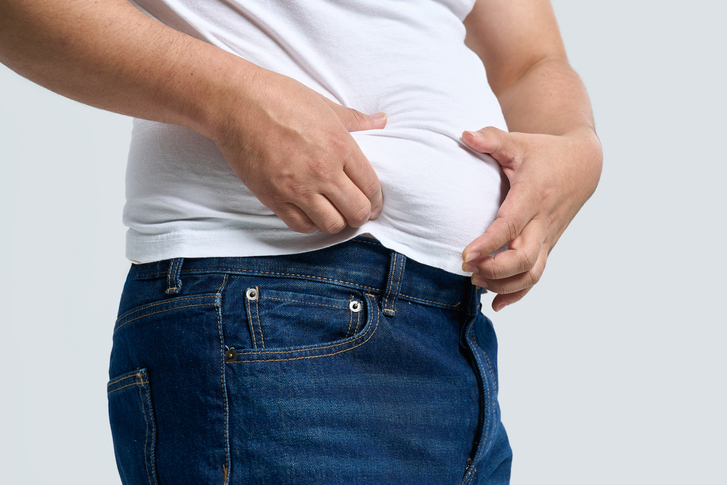
Belly fat, or abdominal obesity, is far more than an aesthetic issue. It is a major driver of chronic conditions, including hypertension, diabetes, hyperlipidemia, and cardiovascular disease. Specifically, visceral fat—the fat that wraps around your internal organs—has been linked to an increased risk of dementia and certain types of cancer.
While losing established belly fat requires a rigorous combination of a strict diet and at least 30 minutes of high-intensity aerobic exercise daily, "prevention" is the most effective strategy. Drawing on data from the health platform Healthline, here are practical ways to manage and reduce abdominal fat through simple daily habits.
Take Your Time at the Table
One of the most effective ways to prevent weight gain without a complicated diet is to simply slow down. Try setting a 20-minute timer for your meals. Eating too quickly often results in consuming a large volume of calories before your brain has the chance to register fullness. Over time, this habit leads to chronic overeating and the accumulation of abdominal fat.
Prioritize Quality Sleep
Getting enough rest is a powerful tool for weight management. According to research from the University of Michigan, consistently getting an extra hour of sleep per night can help reduce calorie intake by roughly 6% without any conscious effort. This can translate to a weight loss of about 6 kg per year. Conversely, those who sleep less than seven hours a day tend to experience an increased appetite and more frequent hunger pangs, making them more susceptible to late-night snacking.
Fill Up on Vegetables and Fruits
A painless way to shed weight is to increase the ratio of produce in your dinner. Vegetables are low in calories but high in fiber and water content, which promotes satiety and a "lighter" feeling. To keep the calorie count low, flavor your dishes with lemon juice or fresh herbs rather than relying on high-fat sauces or heavy dressings.
Choose Whole Grains Over Refined Carbs
Swapping white rice and flour for healthy grains like brown rice, barley, oats, buckwheat, and whole wheat can significantly assist in weight loss. These grains are nutrient-dense, lower in calories than their refined counterparts, and have been shown to help improve cholesterol levels.
〈Frequently Asked Questions〉
Q1. Why is belly fat so difficult to lose?
Abdominal fat is influenced by a complex mix of factors, including the stress hormone cortisol, which directly promotes fat storage in the midsection. Other contributors include genetic factors, aging (which decreases basal metabolic rate), and a lack of physical activity.
Q2. Is there a difference between upper and lower belly fat?
Yes. Upper belly fat is often associated with overeating, bloating, and gastrointestinal issues. Lower belly fat can be influenced by constipation, weakened lower abdominal muscles, or even a pelvic tilt. However, both are primarily driven by overall body fat and a sedentary lifestyle.
Q3. What is the difference between visceral and subcutaneous fat?
Subcutaneous fat sits directly under the skin and carries a relatively lower health risk. Visceral fat, however, accumulates deep within the abdominal cavity around your organs. This is the more dangerous type of fat, as it significantly raises the risk of cardiovascular disease and metabolic disorders.