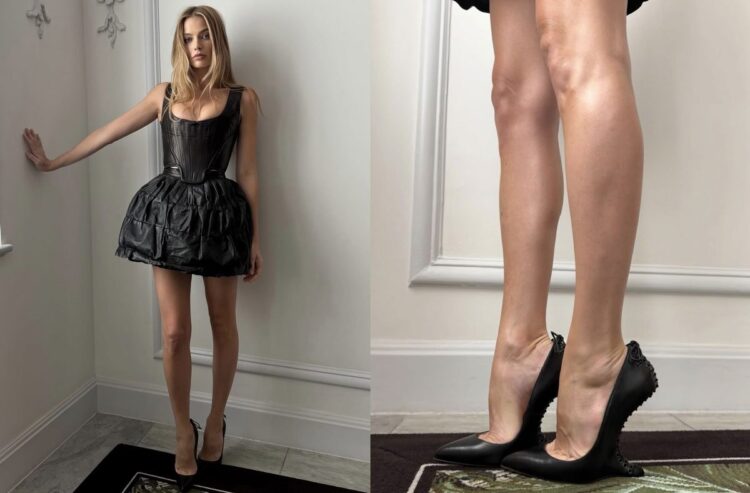
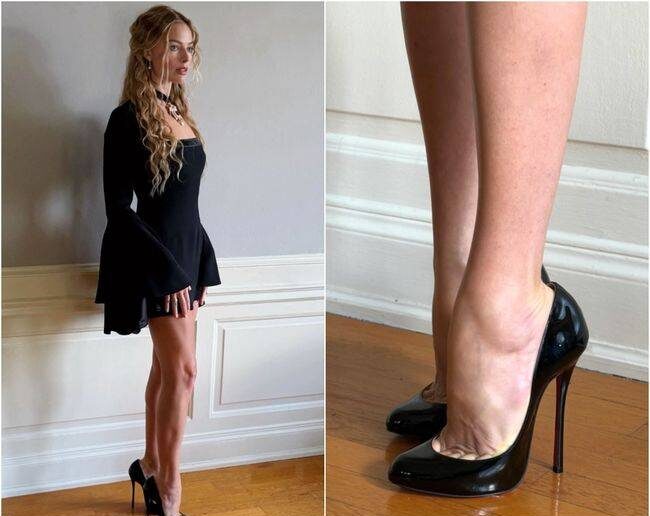
Hollywood actress Margot Robbie recently captured the public's attention with a daring choice of footwear. Appearing at a high-profile event in a sleek black dress, Robbie wore 12cm heels that made her feet appear bent at a sharp 90-degree angle. The striking silhouette quickly went viral, with fans on social media questioning the physical toll of such fashion, asking, "How can she even stand in those?"
This is not the first time Robbie’s footwear has made headlines. Earlier this month, her stylist, Andrew Mukamal, shared a photo of the actress wearing "heel-less" platform shoes that appeared to suspend her entirely on her tiptoes. While these gravity-defying designs make for a bold red-carpet statement, experts warn that frequently wearing such extreme heels can have a lasting impact on musculoskeletal health.
High Heels Over 7cm Accelerate Joint Aging
While high heels are a staple for formal occasions, they fundamentally alter body mechanics by shifting the majority of a person's weight to the balls of the feet. When wearing heels as high as Robbie's, approximately 90% of total body weight is concentrated near the toes, which can lead to chronic pain and significant inflammation.
The risks extend beyond the feet. A study focusing on women aged 21 to 25 found that even short bursts of activity in high heels—such as running to catch a car—drastically increase the risk of ankle sprains and knee arthritis. Medical professionals note that consistently wearing heels exceeding 7cm can actually accelerate the aging process of the joints.
The Hidden Risks of Mules and Flat Shoes
In response to the discomfort of sky-high stilettos, many turn to lower 3–5cm heels or flat shoes. However, these alternatives are not without their own risks. Popular styles like mules and "blooper" slides lack a back strap, forcing the wearer to unconsciously grip the shoe with their toes and strain the ankle to keep it from slipping off.
This constant tension can lead to Achilles tendonitis—inflammation of the tendon connecting the calf muscle to the heel bone. This condition causes pain during even light exercise and can lead to frequent calf swelling and cramping. Conversely, very flat shoes like loafers or ballet flats often lack the necessary cushioning to absorb impact. Without proper support, the direct shock of walking is transferred to the soles, straining the foot muscles and potentially causing plantar fasciitis.
Protecting Your Feet: Straps, Sneakers, and Variety
To maintain long-term foot health, specialists recommend making comfortable sneakers a daily habit. For occasions where dress shoes are required, it is wise to alternate between different heel heights rather than wearing high heels several days in a row. Constant use of high heels can cause the Achilles tendon to shorten and stiffen over time.
Selecting footwear that suits your specific foot condition is also vital. For those with weak or unstable ankles, experts suggest choosing shoes with straps that wrap around the ankle for added support. While the "90-degree" look may be a hit on the red carpet, a variety of heights and proper support remain the best defense against joint aging.