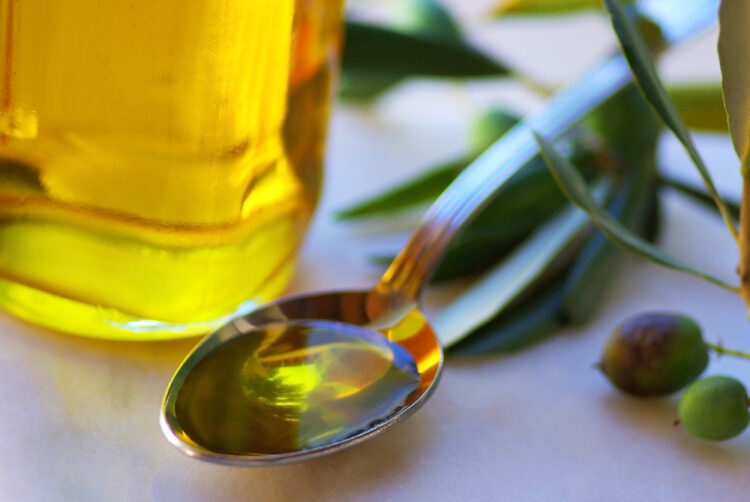
Public interest in "healthy fats" is at an all-time high, with olive oil leading the pack. Renowned for being rich in monounsaturated fatty acids—specifically oleic acid—and antioxidants, olive oil helps prevent cardiovascular disease and inhibits cellular aging. Recently, however, claims have surfaced that consuming it on an empty stomach can trigger weight loss, leading many to view olive oil as a miracle diet food.
"Turning on Fat-Burning Mode": Social Media Myths
As olive oil’s reputation grows, advertisements have emerged claiming that "a spoonful in the morning turns on the body's fat-burning mode." The theory suggests that when olive oil enters the stomach, the liver recognizes it as "sugar-free fuel" and immediately signals the body to break down stored fat.
While this makes for a compelling marketing narrative, it conetains a critical scientific error. The liver is not a command center that signals the body to burn fat simply because a specific food was consumed. Instead, the liver either uses ingested fatty acids as an immediate energy source or stores them as body fat if there is a caloric excess.
The reality is that fat burning is determined by energy balance, not specific fat intake. Fat is burned when the body experiences prolonged fasting, restricted carbohydrate intake, or a caloric deficit created through exercise.
Benefits of Olive Oil: LDL Reduction and Blood Sugar Stability
Despite the misleading diet claims, consuming olive oil—whether on an empty stomach or with meals—offers genuine health benefits:
Cholesterol Management: Oleic acid helps reduce "bad" cholesterol (LDL) while maintaining "good" cholesterol (HDL).
Anti-Aging Properties: It is packed with antioxidants like polyphenols and Vitamin E, which inhibit reactive oxygen species (ROS) that cause cellular aging.
Blood Sugar Regulation: Consuming healthy fats can prevent rapid spikes in blood sugar when paired with or taken before a meal.
Cautions and Side Effects
Consuming oil on an empty stomach is not for everyone.
Digestive Issues: Those with gastroesophageal reflux disease (GERD) may experience heartburn. People with sensitive stomachs may also suffer from gas or diarrhea.
Gallbladder Concerns: Individuals with gallbladder disease should be especially cautious; consuming concentrated fat on an empty stomach can trigger sharp gallbladder contractions.
The Verdict on Weight Loss
Weight loss is a result of total energy intake versus expenditure, not the timing of a single ingredient. If you truly want to activate "fat-burning mode," a 20-30 minute walk on an empty stomach, combined with a managed caloric intake and consistent strength training, is far more effective than a spoonful of oil.