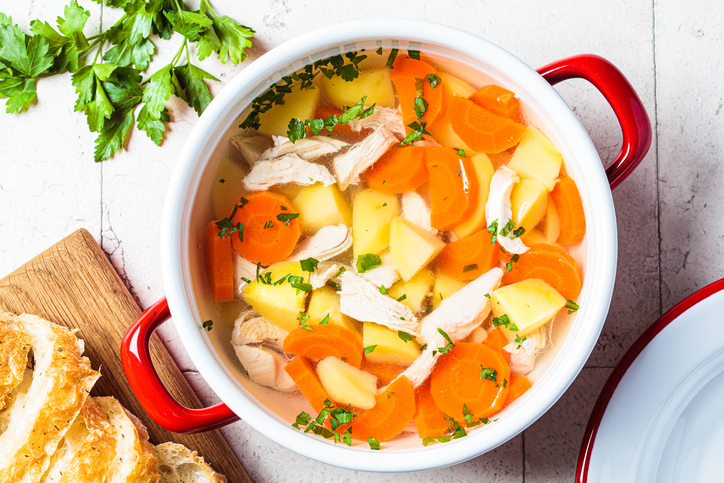
Even the foods we eat daily can become significantly healthier with a slight adjustment in ingredients or cooking techniques. For instance, chilled potatoes act similarly to fiber, and canned corn can actually be richer in antioxidants than fresh corn. Conversely, using olive oil at high temperatures can produce harmful compounds. Here are six smart cooking methods to maximize the nutritional value of your ingredients.
1. Boil Carrots Instead of Steaming
According to an Italian research team, a comparison of raw, steamed, and boiled carrots revealed that boiled carrots contained the highest levels of carotenoids. These antioxidants help the body produce Vitmin A, supporting growth, reproductive health, immunity, and the maintenance of skin, eyes, and hair. While biling reduces Vitamin C (28mg per 100g compared to 31mg in raw carrots), it still outperforms steaming, which leaves only 19mg of Vitamin C.
2. Chill Your Potatoes to Create Resistant Starch
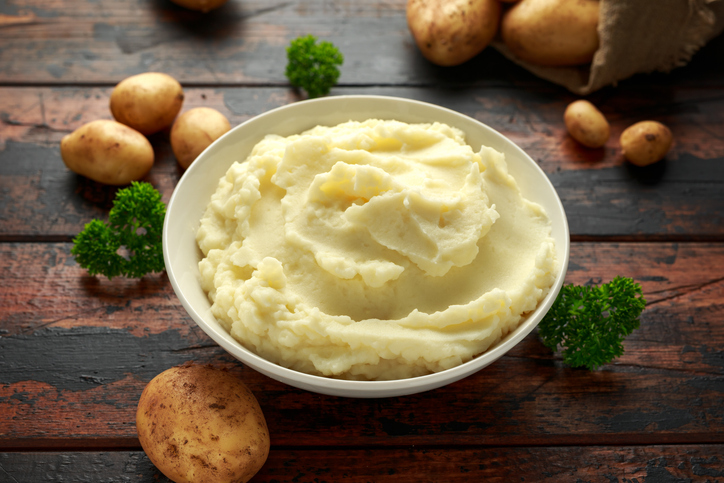
When potatoes are cooked, the starch undergoes gelatinization, making it easier to digest. However, when those potatoes are chilled, the starch undergoes retrogradation, transforming into resistant starch.
Resistant starch behaves like dietary fiber, traveling to the colon to aid bowel function. A British research team found that cooked potatoes contain 7% resistant starch, which nearly doubles to 13% once chilled. For a healthy potato salad, skip the mayonnaise and use non-fat Greek yogurt or fresh green onions instead.
3. Choose Canned Corn for Antioxidants
Research from Cornell University suggests that the heat treatment used in the canning process increases the antioxidant content of corn by 44%. These antioxidants are vital for neutralizing harmful free radicals (reactive oxygen species) in the body. Although some Vitamin C is lost during canning, the surge in antioxidants helps compensate for the loss.
4. Reserve Olive Oil for Dressings or Low-Heat Cooking
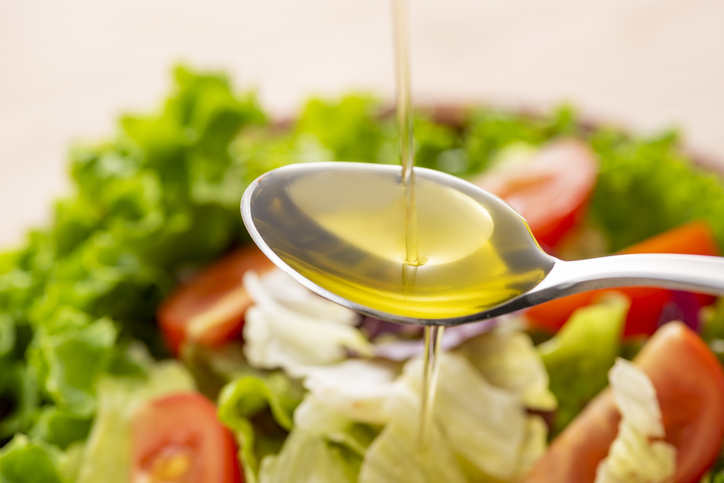
Olive oil is rich in omega-6 fatty acids, which help manage inflammation associated with chronic conditions like heart disease and arthritis. However, olive oil has a lower smoke point than many other oils. When oil exceeds its smoke point, its chemical structure breaks down, producing harmful polar compounds and free radicals. To stay safe, use olive oil for dressings or light sautéing rather than high-heat frying.
5. Switch Lattes for Americanos
Studies indicate that drinking 4 to 5 cups of coffee a day may help prevent heart disease and type 2 diabetes. However, the type of coffee matters. A large latte made with whole milk can contain up to 225 calories—roughly 11% of a woman's recommended daily intake. Opting for a black Americano or regular brewed coffee provides the health benefits without the excessive caloric load.
6. Steep Your Tea for at Least One Minute
The polyphenols in tea are powerful antioxidants that protect heart cells. These compounds are released most effectively in hot water, so it is essential to let your tea steep for 1 to 4 minutes. While some reports from the British Nutrition Foundation suggest that adding milk may interfere with polyphenol absorption, other studies indicate the effect is negligible. For maximum benefit, focus on the steeping time.