
Ms. A, a 38-year-old office worker who committed to a healthy lifestyle this year, sighed as she looked at the stack of chicken breasts in her refrigerator. Although she had bought them in bulk to meet her protein goals, she had been lured away by frequent dinners out and more tempting snacks, leaving the chicken neglected.
Upon checking the labels, she realized some had already passed their expiration dates. She hesitated: "Is it okay to eat if it’s only a day past? It has been refrigerated the whole time..."
If Opened, Strictly Adhere to the Expiration Date
An expiration date indicates the window during which a product is guaranteed to be safe for consumption. While some foods may remain edible for a day or two past this date if stored under perfect conditions, products with a high risk of bacterial contamination—such as meat, poultry, fish, and eggs—should be treated with extreme caution.
If a vacuum seal has been broken and the date has passed by even a single day, it is safer to discard the product. To identify spoilage, look for the following red flags:
Discoloration: The meat has turned yellow or greyish.
Texture: The surface feels slimy or excessively sticky.
Odor: There is a distinct sour or fishy smell.
Packaging: Even if unopened, a swollen vacuum pack is a major warning sign; it indicates that microorganisms have proliferated and released gas.
The Risks of Salmonella and Campylobacter
Raw chicken is particularly susceptible to pathogenic bacteria such as Salmonella and Campylobacter. These pathogens can produce toxins in the body, leading to severe food poisoning.
The USDA Food Safety and Inspection Service recommends that raw poultry be stored in the refrigerator for no more than 1–2 days, while cooked chicken can be safely kept for 3–4 days. For longer storage, freezing is always the safer alternative to refrigeration.
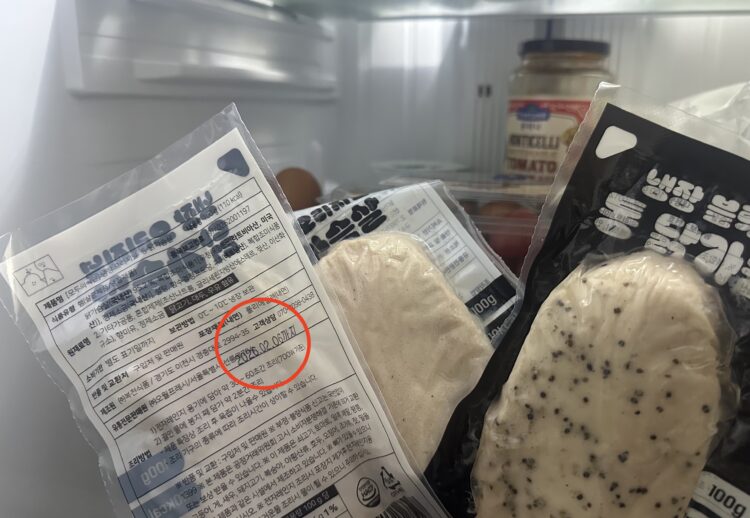
Even if processed chicken breast products appear fine and lack a foul odor, there is still a high probability that internal microbial growth has occurred. When it comes to your health, it is always better to err on the side of caution and dispose of any questionable items.