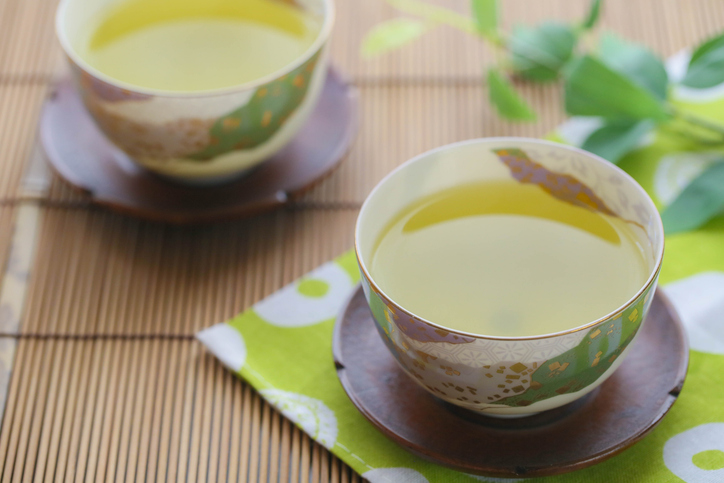
Among teas, the consumption of green tea has been shown to provide broad benefits for overall health and longevity, including improving cardiovascular health, enhancing metabolic function, reducing the risk of chronic diseases, protecting the brain, and preventing muscle loss. To enjoy these health benefits, the key is to properly brew 2g of green tea leaves in 200ml of water and drink 1 to 3 cups a day at the right time.
On the other hand, it has been pointed out that processed tea products, such as bottled tea or bubble tea, which contain high amounts of sugar and additives, can actually weaken these health effects, so caution is needed.
A research team led by Dr. Mingchuan Yang and Dr. Lizhou from the Chinese Academy of Agricultural Sciences' Tea Research Institute conducted a comprehensive analysis of experimental studies and large-scale population-based clinical studies conducted worldwide, and published their findings in the recent issue of the journal Beverage Plant Research. This research was reported on the 28th by scientific media such as Science Daily.
The researchers stated, "Traditionally brewed fresh green tea is a functional beverage that comprehensively protects heart, brain, and metabolic health," adding, "In contrast, processed tea beverages containing sugar, artificial sweeteners, and preservatives can significantly offset these benefits."
According to the researchers, the key efficacy of green tea is attributed to its rich polyphenols, particularly catechins. Catechins are known to improve endothelial function and contribute to lowering blood pressure and cholesterol levels through their powerful antioxidant and anti-inflammatory effects.
In fact, large cohort studies have repeatedly observed a significantly lower trend in overall mortality and cardiovascular disease incidence among groups that regularly consume green tea. Some studies have reported that green tea consumption is also associated with a reduced risk of stroke and myocardial infarction.
In terms of metabolic health, the effects of green tea are pronounced. The researchers explained that green tea catechins improve insulin sensitivity and contribute to weight and abdominal fat reduction, positively impacting diabetes and obesity management. In particular, clinical trials involving obese patients confirmed simultaneous improvements in weight, body fat percentage, fasting blood sugar, and triglyceride levels after consuming green tea extract.
Delays Cognitive Decline and Muscle Loss Due to Aging
Green tea also has the effect of delaying age-related cognitive decline and muscle loss. In long-term follow-up studies, elderly individuals who regularly consumed green tea showed a slower rate of cognitive decline and lower levels of biomarkers associated with Alzheimer's disease.
Experimental studies have shown that green tea catechins significantly inhibit neuroinflammation and reduce oxidative stress in brain neurons, providing protective effects on the nerves. Additionally, there is evidence that it can improve mitochondrial function in muscle cells, alleviating age-related sarcopenia and helping to maintain muscle strength.
The researchers emphasized that not all tea products provide the same health benefits. Bottled tea beverages and bubble tea contain high amounts of sugar, artificial sweeteners, flavorings, and preservatives, which can lead to spikes in blood sugar, weight gain, and metabolic burdens, offsetting the inherent benefits of green tea.
Furthermore, cases have been reported where pesticide residues, heavy metals, and microplastics were detected in some commercial tea products, which could act as potential risk factors when consumed in large amounts over a long period.
The researchers also mentioned that tea can inhibit the absorption of non-heme iron and calcium. Therefore, it is advisable for those following a plant-based diet or at risk of iron deficiency or osteoporosis to avoid excessive tea consumption immediately after meals.
However, the researchers stated, "Additional studies are needed to clarify the long-term effects of different types of tea, variations in responses among population groups, and the cumulative effects of contaminants," adding, "This could lead to more precise guidelines for green tea consumption."
The aforementioned bioactive components can vary significantly depending on brewing temperature, time, water quality, and the amount of tea leaves used, and improper brewing can lead to increased bitterness and the destruction or loss of effective components. To properly obtain the health benefits of green tea, how it is brewed is more important than what is consumed.
Accordingly, the method recommended by the researchers to fully enjoy the benefits of green tea is to brew it fresh in a traditional manner and consistently consume an appropriate amount of 1 to 3 cups a day.
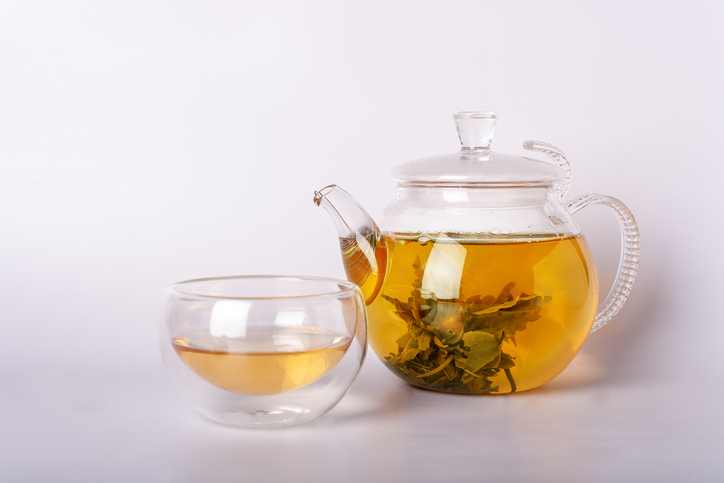
How to Properly Brew and Drink Green Tea Using Traditional Methods
According to food chemistry and tea research, the key components of green tea, catechins and L-theanine, are most stably extracted when brewed in water at 70-80℃ for 1-2 minutes. Boiling water or prolonged brewing can lead to bitterness and astringency, as well as the destruction of effective components and excessive caffeine.
The recommended ratio is 2g of tea leaves per 200ml of water, with 1 to 3 cups a day being the appropriate intake. Soft water is preferable for brewing. Soft water has low levels of calcium and magnesium, and most tap water and purified bottled water in the country fall into this category. Soft water does not hinder the extraction of catechins and amino acids in green tea, resulting in a smooth flavor and high extraction rate of antioxidant components.
In contrast, hard water has high levels of calcium and magnesium, which reduce the efficiency of catechin extraction and diminish flavor and antioxidant effects. Hard water includes some groundwater or spring water from certain European regions.
The timing of green tea consumption is also important. The polyphenols in tea can inhibit the absorption of non-heme iron, so it is advisable for those at risk of iron deficiency or following a plant-based diet to consume it 30-60 minutes after meals.
Drinking it on an empty stomach can stimulate gastric acid secretion, leading to heartburn or stomach discomfort, and consuming it within 6 hours of bedtime can lead to decreased sleep quality due to caffeine.