To lose weight, it is crucial to reduce total caloric intake. Generally, if you consume about 500kcal less than your daily energy needs, you can expect to lose about 0.5 to 1kg per week. If you continue this way, it is possible to lose up to 10% of your original weight in about 6 months. Here are some ways to reduce caloric intake and increase exercise.
◆ More than 50% of Your Diet Should Be ‘Vegetables’!
It is important to balance your diet. It is advisable to maintain a diet ratio of more than 50% vegetables at each meal time. In our country, we do have a diet that frequently includes vegetables. While rice, soup, and side dishes are the basics, if we take four side dishes as an example, it is good to fill two of them with greens or vegetables. Even a small amount of vegetables or salad can provide a significant feeling of fullness, helping to prevent overeating and greatly aiding in dieting.
◆ Calorie-Burning ‘Walking and Running’
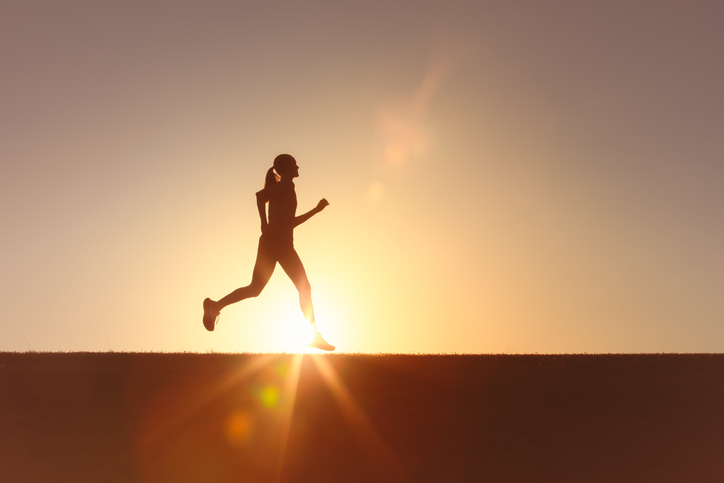
Walking and running are the most representative forms of aerobic exercise, loved for being able to be done consistently without any additional costs. They are easy to do, but the health benefits are significant, and both exercises use a lot of energy, making them effective for calorie burning. For example, a person weighing around 70kg can burn 160kcal by walking at a speed of 5.6km/h for 30 minutes, and if running at a speed of 9.6km/h, they can burn 360kcal.
◆ It’s Important to Consume ‘Lean Meat’
It is also important to consistently consume lean meat as a source of protein. Meats like pork belly, which have a moderate amount of fat, are good for both texture and taste. However, fatty meats should be avoided for weight loss. Instead of fatty meats, focusing on lean meats like chicken breast or pork loin can help reduce body fat. The aforementioned lean meats help boost metabolism, which aids in burning fat.
◆ Abstaining from Alcohol and ‘Regular Exercise’ Is Also Important
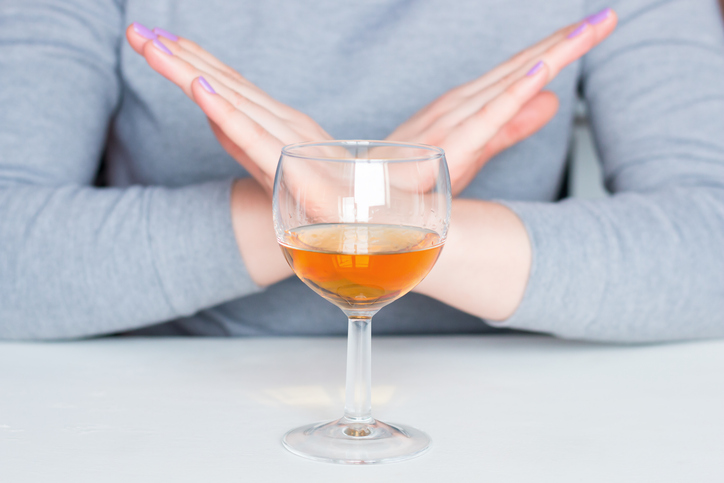
Abstaining from alcohol is important. Drinking alcohol is a risk factor for body fat accumulation. It is recommended to avoid drinking above a moderate level. Regular exercise is also essential. In addition to walking and running mentioned earlier, aerobic exercises that can be easily done in daily life or enjoyed as hobbies, such as cycling, swimming, and light hiking, are good. It is recommended to engage in these activities for 30 to 60 minutes a day, at least 5 times a week, and for strength training, perform about 8 to 10 exercises targeting different body parts, at a level where you can repeat 8 to 12 times per set, about 2 times a week.