Research results indicate that combining aerobic exercise and strength training can yield the greatest effect in reducing liver fat. This study presented the most effective exercise methods and appropriate exercise amounts for patients with Metabolic Dysfunction-Associated Steatotic Liver Disease (MASLD).
Previously known as non-alcoholic fatty liver disease, Metabolic Dysfunction-Associated Steatotic Liver Disease is a condition related to metabolic disorders such as obesity and diabetes, rather than alcohol consumption, characterized by the abnormal accumulation of fat in the liver. Excessive fat accumulation in the liver can lead to inflammation and fibrosis, increasing the risk of cirrhosis or liver failure.
The foundation of treatment is weight loss, which requires a combination of dietary control and exercise. The researchers emphasized that "as body fat decreases, liver fat also decreases," highlighting the importance of exercise as a key therapeutic measure.
To identify the most effective type of exercise for reducing liver fat, researchers from the Third Xiangya Hospital of Central South University in China conducted a comprehensive analysis of 24 randomized controlled trials. This study included 24 clinical trials conducted in eight countries (totaling 961 participants), with an average age of about 50 years and an average body mass index (BMI) of 31.8, which falls into the obese category.
The types of exercise analyzed included moderate and high-intensity aerobic exercise, high-intensity interval training, strength training, and a combination of aerobic and strength training.
Aerobic + Strength Training, Complementary Effects
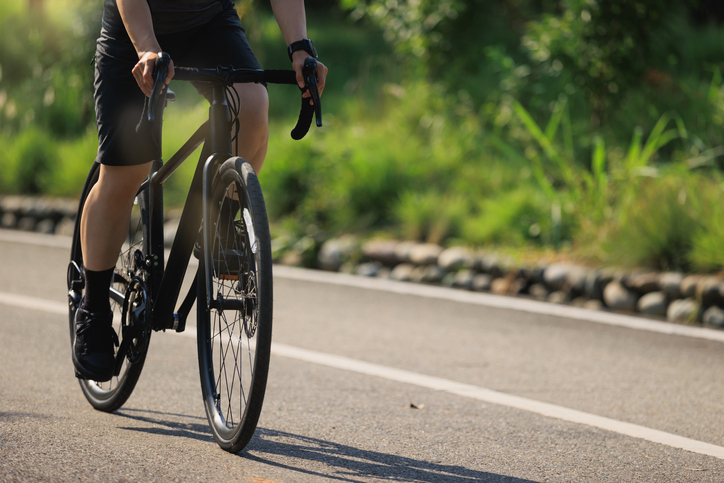
According to the study, when aerobic exercises such as jogging, brisk walking, and cycling are combined with strength training like weight lifting, the effect on reducing liver fat is greater than when each is performed alone. The researchers estimated that to achieve significant liver fat reduction, moderate exercise should be performed five times a week or high-intensity exercise at least twice a week.
Professor Chunxiang Qin, a co-author of the study, explained, "Combining aerobic exercise and resistance training has both therapeutic and dose-related advantages in reducing liver fat," adding that "the two types of exercise complement and enhance each other, resulting in a more comprehensive effect than single exercises."
Subgroup analysis revealed that the optimal amount of exercise varies according to individual characteristics. For example, individuals with certain metabolic disorders required more exercise to achieve the same level of liver fat reduction. The researchers stated, "Since exercise effects are influenced by various factors, personalized exercise prescriptions considering individual characteristics are necessary."
'Moderate 2.5 Hours' or 'High-Intensity 1.5 Hours' is Optimal
Considering this, the researchers also calculated the average amount of exercise needed for significant liver fat reduction. The analysis suggested that moderate exercise for 20-40 minutes a day, five times a week (2.5-3 hours per week), or high-intensity exercise for 30 minutes, two to four times a week (about 1.5 hours per week) is the optimal amount of exercise.
The researchers explained that while there is a relationship where increasing exercise leads to greater effects, there is a tendency for the effects to no longer increase beyond a certain level. In fact, significant improvement effects were observed even with moderate exercise for about 20 minutes, five times a week, and intense exercise showed diminishing returns when exceeding 1.5 hours per week. The researchers emphasized, "Exercising more does not necessarily mean better results."
Importance of Early Detection... Exercise Effects Vary by Progression Stage
The researchers pointed out that the progression of the disease directly affects the effectiveness of exercise. The earlier the disease is detected, the greater the exercise effect, and if liver damage is already severe, the improvement effect may be limited.
The researchers stated, "Through evidence-based comprehensive analysis, we have presented the most effective amount and type of exercise for reducing liver steatosis, but future studies need to further verify the interactions between exercise amounts and types through clinical trials."
This research result was published in the international journal 《Journal of Sport and Health Science》 under the title 'Dose‒response relationship between exercise and hepatic steatosis: A systematic review with Bayesian network meta-analysis of randomized controlled trials.'
[Frequently Asked Questions]
Q1. What is the most effective exercise for reducing liver fat?
A. It has been found that combining aerobic exercises like jogging or brisk walking with strength training such as weight lifting is the most effective method. The effect of reducing liver fat is greater when both types of exercise are performed together than when done separately.
Q2. How much exercise should I do each week to see improvements in liver fat?
A. According to the research, performing moderate exercise for 20-40 minutes a day, five times a week (2.5-3 hours per week) or high-intensity exercise for 30 minutes, two to four times a week (about 1.5 hours per week) can lead to clinically significant improvement effects.
Q3. Does exercising more lead to better improvement in liver fat?
A. Not necessarily. Beyond a certain level of exercise, the effects did not increase. In particular, intense exercise tends to show diminishing returns when exceeding 1.5 hours per week, so it is important to maintain an appropriate amount consistently.