Stylist Han Hye-yeon (54), who successfully lost 16kg, showed signs of a yo-yo effect.
Han Hye-yeon confessed during a home shopping broadcast, "I gained about 1-2kg back." Although she still looked slim, she sensed the change in her weight.
Regarding the reason, Han Hye-yeon said, "Sweet potatoes are the problem. I ate too much sweet potatoes with milk and sweet potatoes with beer."
Last year, Han Hye-yeon combined running and a diet, losing 16kg and garnering envy. As she lost weight, her waistline became more defined, and her legs looked more prominent, enhancing her overall appearance.
Sweet potatoes, which Han Hye-yeon enjoyed eating, are commonly known as a good food for dieting. If sweet potatoes caused her to gain weight, let's examine what the issue might be.
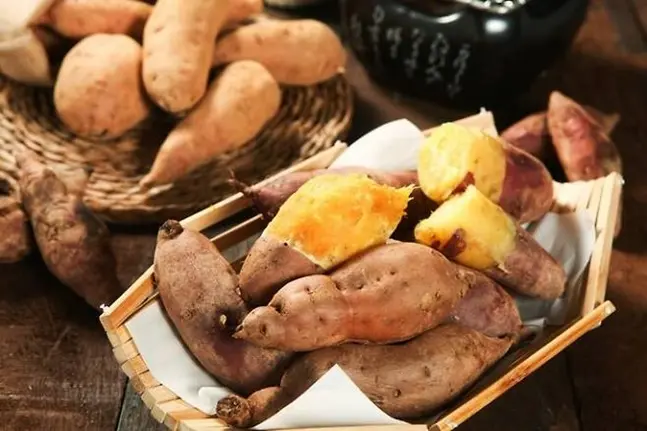
"Aren't sweet potatoes a good food for dieting?"
To put it simply, yes, sweet potatoes are good for dieting. Sweet potatoes contain about 90-110kcal per 100g, making them relatively low-calorie complex carbohydrates. They are rich in dietary fiber, which helps maintain a feeling of fullness for a long time. They are also rich in micronutrients such as vitamins A and C, and potassium, making them frequently used in weight loss diets.
However, this is only true when consumed in the 'right amount.' Just because it is a diet food does not mean you can eat it freely and still lose weight. What was the issue with Han Hye-yeon's sweet potato intake?
Problem One: "Eating too many sweet potatoes"
The key principle of weight management is simple. If the calories consumed exceed the calories burned, weight is gained. Sweet potatoes are healthier carbohydrates than rice or bread, but if consumed repeatedly like snacks, the total daily caloric intake can quickly increase. Eating just 2-3 medium-sized sweet potatoes can equate to the calories of a bowl of rice. In other words, the perception that "it's okay because it's sweet potatoes" likely led to a failure in controlling intake.
Problem Two: The Trap of Sweet Potatoes + Milk, Sweet Potatoes + Beer
The combinations mentioned by Han Hye-yeon are also noteworthy.
▲Sweet Potatoes + Milk=Milk is rich in protein and calcium, but it also contains fats and sugars. Especially if processed milk is consumed in larger quantities, additional calories are added to the sweet potato's calories.
▲Sweet Potatoes + Beer=The bigger problem is beer. Alcohol is the first energy source that must be broken down and processed in the body. In this process, the carbohydrates and fats consumed together are likely to be stored rather than used. Ultimately, the combination of 'sweet potatoes + beer' leads to a structure that easily results in weight gain due to carbohydrates + alcohol.
Problem Three: Blood Sugar Response Varies by Cooking Method
The body's response to sweet potatoes varies depending on the cooking method. Boiled or steamed sweet potatoes lead to a relatively gradual rise in blood sugar, while roasted sweet potatoes can cause a rapid absorption of carbohydrates, leading to a spike in blood sugar. A sudden increase in blood sugar can lead to increased insulin secretion, making it easier to feel hungry again, which can lead to overeating. This is especially important to be cautious about if consumed frequently like a snack.
In conclusion, rather than sweet potatoes being the 'main culprit' for weight gain, it is likely that a combination of factors such as intake amount, timing of consumption, foods eaten together, and changes in lifestyle patterns played a role. In fact, after successfully losing weight, basal metabolic rate decreases, making it easier to gain weight even with the same amount of food as before. Han Hye-yeon's confession highlights a common mistake for many who are dieting.
To eat sweet potatoes healthily during the dieting and maintenance period, one should follow these guidelines: ▲Limit to 1-2 per day, consume as a meal replacement or before/after exercise ▲If possible, eat boiled or steamed ▲Eat with protein and vegetables to maintain fullness ▲Avoid combinations with alcohol or sugary drinks ▲Avoid unlimited intake just because it is a 'diet food.' Sweet potatoes are excellent diet foods, but no matter how healthy the food is, overeating or consuming it incorrectly can lead to weight gain. The success of dieting depends not on specific foods, but on the balance of the overall diet and lifestyle habits.