Mr. Kim (67), who lives in Busan, recently confirmed that his hemoglobin A1c level had risen to 9.2%. Five years ago, when he was first diagnosed with diabetes, the doctor recommended insulin treatment, but he delayed treatment due to the common belief that 'insulin is addictive.' It wasn't until he nearly lost vision in one eye due to diabetic retinopathy that he urgently returned to the hospital.
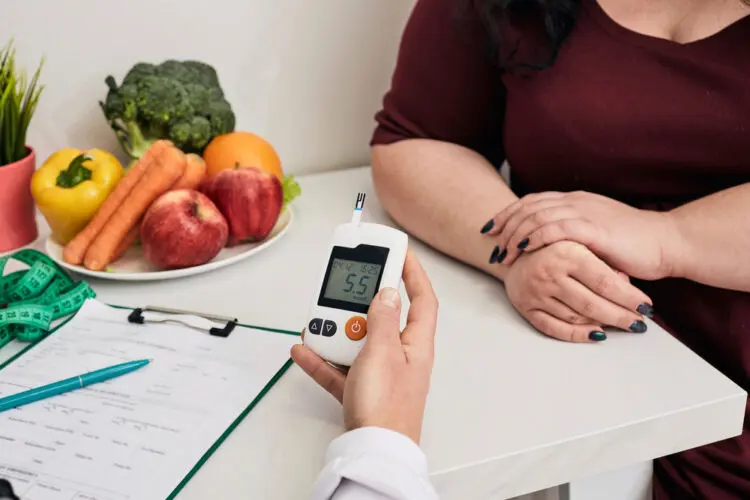
As of 2022, there are 2.2 million diabetic patients aged 65 and older nationwide. The Busan-Ulsan-Gyeongnam area has a higher proportion of elderly population, and naturally, there are more diabetic patients, exceeding 400,000.
Why is a 1% Difference in Hemoglobin A1c Important?
The problem is that despite the scientifically proven effective treatments, they are being overlooked due to misunderstandings. According to an international study cited by the Korean Diabetes Association (UKPDS 35, United Kingdom Prospective Diabetes Study), lowering hemoglobin A1c (HbA1c) by just 1% reduces the mortality rate from diabetes by 21%. Additionally, microvascular complications decrease by 37%, and the risk of myocardial infarction decreases by 14%. Peripheral vascular disease is reduced by 43%.
Our blood contains a protein called hemoglobin. When this hemoglobin encounters blood sugar (glucose), a process called glycation occurs, where sugar naturally attaches to it. The higher the blood sugar, the more sugar attaches to hemoglobin, and the extent of this attachment is measured as a percentage (%), which is what 'hemoglobin A1c' (HbA1c) represents.
Since the average lifespan of red blood cells is about 120 days, the hemoglobin A1c level indicates the average blood sugar over the past 2-3 months. Especially, it is considered the most reliable data for diabetes diagnosis and long-term blood sugar management as it is hardly affected by daily situations such as meals, exercise, or stress, unlike fasting blood sugar or postprandial blood sugar.
Dr. Kang Ah-young from Chunhae Hospital (Endocrinology) stated, "The normal hemoglobin A1c level is less than 5.7%, but if diagnosed with diabetes at 6.5% or higher, that 1% difference can determine the patient's survival in the long term." She added, "A 37% reduction in microvascular complications means a significant decrease in the risk of blindness and kidney failure," and emphasized that combining this with the reduction in myocardial infarction and peripheral vascular disease can greatly improve quality of life.
Since the UKPDS study followed over 5,000 participants for 10 years, the effect of improving hemoglobin A1c is clear. Among 100 diabetic patients aged 65, about 5 die from diabetes complications each year, and it is calculated that lowering hemoglobin A1c by just 1% can save one of them. The clinical guidelines of the Korean Diabetes Association also set the target hemoglobin A1c level for diabetic patients at 'less than 6.5%' based on this study.
The Truth Behind 'Curing Diabetes' and 'Stopping Insulin'...
Despite the proven dramatic effects, there are still many rumors in everyday life claiming that "insulin is harmful" and "this can cure diabetes." Many diabetic patients, like Mr. Kim, are still missing the appropriate timing for treatment due to misinformation. In fact, content like 'curing diabetes' and 'stopping insulin' has high view counts on YouTube and social media because it sounds more appealing.
The most common misunderstanding is the prejudice against insulin. Many patients refuse treatment due to the false belief that "once you start insulin, you have to take it for life." There are also many claims that "insulin damages organs." On the other hand, Dr. Kang explained, "Injecting insulin externally allows the pancreas to rest and recover, and the effects continue even after stopping insulin later."
Another misunderstanding is the expectation that 'diabetes can be cured.' Dr. Kang stated, "There is still no cure for diabetes," and warned that many cases rely on unverified folk remedies or health supplements due to exaggerated or false advertising, worsening their condition. She emphasized, "The best treatment for diabetes is to manage it well to reduce the occurrence of complications," and highlighted that, as shown in the UKPDS study, strict blood sugar management alone can lower mortality by 21%.
According to the clinical guidelines of the Korean Diabetes Association, there have been reports of cases where early intensive insulin treatment for 3-6 months led to recovery of pancreatic function, allowing for a reduction in medication or management through diet and exercise alone. Dr. Kang noted, "I often see patients who need insulin treatment refuse it due to prejudice and regret it later when complications become serious," and added, "The three months of hesitation can change your life ten years later."
How to Manage Blood Sugar in Daily Life?
So, what should be done to lower hemoglobin A1c by 1%? Dr. Kang stated, "Dietary control is the most important," and emphasized, "No matter how effective the medication prescribed, if the patient does not manage their diet, diabetes control will not be achieved."
In particular, she advised, "Most diabetic patients often have issues with snacks rather than meals," and cautioned against high-carbohydrate foods like bread, rice cakes, and snacks, as well as being especially careful with fruits that can cause high blood sugar even in small amounts.
Exercise should include both aerobic and strength training for at least 150 minutes a week, with each session lasting more than 30 minutes at an intensity that allows for conversation with someone nearby. Additionally, managing not only high blood sugar but also high blood pressure and high cholesterol is necessary to prevent vascular complications.
In fact, there are cases where individuals have regained their health through active management. Mr. Park (62), diagnosed with diabetes three years ago, lowered his hemoglobin A1c from 8.5% to 6.2% through active dietary management and exercise. He started walking for 30 minutes every morning and replaced the bread and snacks he enjoyed with vegetable sticks. He monitored his condition by measuring his hemoglobin A1c every three months.
Dr. Kang stated, "Thanks to proper management from the beginning, there are many patients like Mr. Park who live healthily without complications," and added, "It is entirely possible to lower hemoglobin A1c by 0.5-1% in three months."
She urged diabetic patients to keep three things in mind. First, check your hemoglobin A1c level right now. Second, if it is 6.5% or higher, set a goal to lower it by '1%' every three months and put it into practice. Third, if a doctor has determined that insulin is necessary, let go of prejudice and receive active treatment. Ultimately, "The three months of hesitation now can change your life in the next ten years."
Assistance: Dr. Kang Ah-young from Chunhae Hospital (Endocrinology). Graduated from Dong-A University College of Medicine and trained at Dong-A University Hospital. Completed her fellowship at the same hospital and joined Chunhae Hospital.