A man in his 50s, Mr. A, registered at a gym and started personal training, but after just a week, he fell into an unspoken worry. The constant 'clicking' sound from his knee was bothering him. The sound was particularly loud when doing squats or riding a stationary bike.
The 'clicking' sound from the knee during exercise can be partly caused by the cold winter weather. When the temperature drops, our body minimizes heat loss and maintains body temperature by causing muscles and ligaments to contract and stiffen, which reduces flexibility.
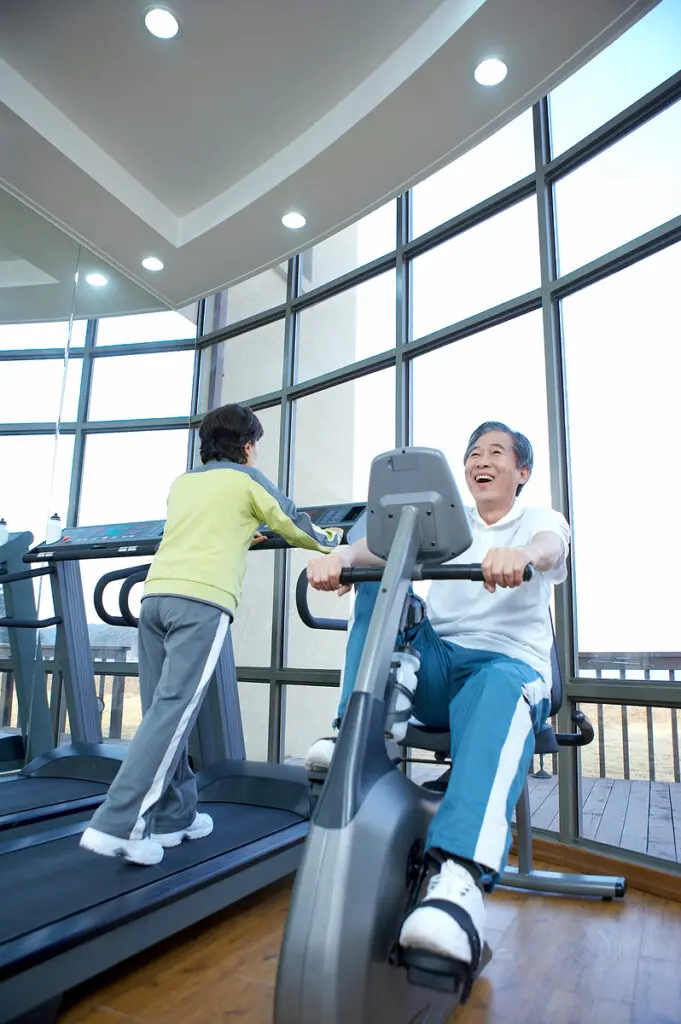
Low temperatures increase the viscosity of the synovial fluid in the joints and create bubbles due to pressure changes. Additionally, the lubrication of the joint fluid may not function smoothly, increasing friction between tendons and ligaments. These combined factors cause the sound in the knee. Therefore, if the knee only makes a 'clicking' sound without pain, it is generally a normal symptom caused by the low temperatures of winter.
However, if the sound is more complex, such as 'grinding', 'thudding', or a sound like bones grinding, it may indicate an issue with the knee joint. If the sound is accompanied by a cold sensation, pain, swelling, or reduced mobility, knee joint disease is suspected.
Dr. Ho Byeong-cheol from the Joint and Spine Center at Ulsan Eliya Hospital stated on the 12th, "When setting health as a New Year's goal and starting to exercise, many people tend to overdo it initially, so rather than ignoring joint sounds, it is important to pay attention and check for other symptoms."
In particular, if there is a grinding sound when bending and straightening the knee, and pain is felt with each step, one might suspect chondromalacia. Chondromalacia is a condition where the cartilage tissue in the joint weakens or is damaged due to aging or other reasons, and it can occur from severe impacts to the knee or trauma such as fractures or dislocations. Additionally, it can occur even without trauma due to sudden excessive exercise, overuse of the knee, or lack of exercise.
Once cartilage is damaged, it is difficult to regenerate, and if left untreated for a long time, it can develop into osteoarthritis, making early treatment and prevention important. In the early stages, conservative treatments such as medication or physical therapy like extracorporeal shock wave therapy can be performed.
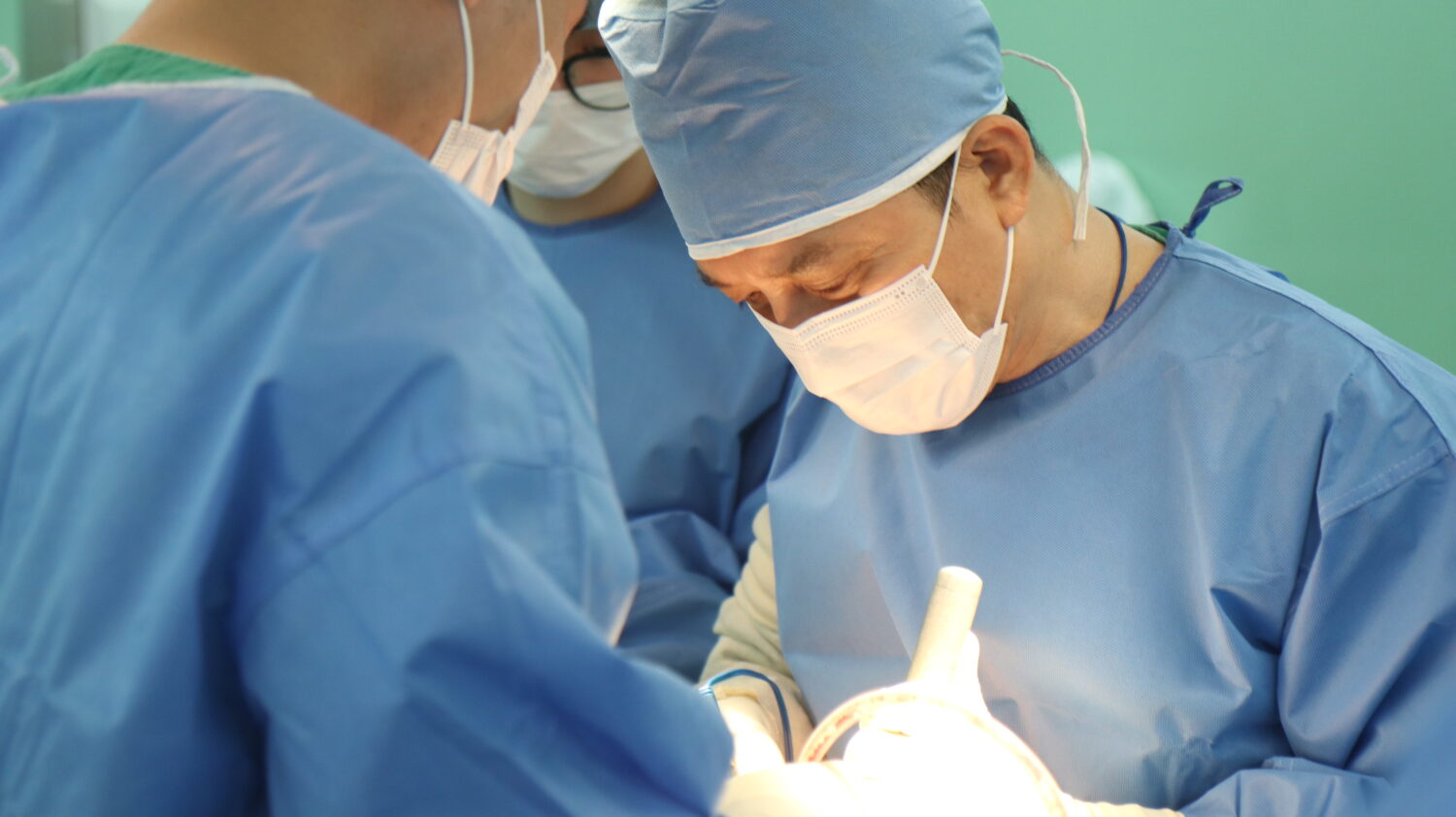
It is important to rest as much as possible to avoid using the knee, and simply relieving knee fatigue through warm compresses can improve the condition. However, if this method does not yield results or if there is severe damage to the knee cartilage, surgery may be performed to excise the lesion area or smooth the knee joint surface through arthroscopy.
If there is a 'thud' sound when bending and straightening the knee, such as when going up and down stairs, or if there is severe pain, one might suspect a meniscus tear. The meniscus, which is made of fibrous cartilage, helps absorb shocks and tension applied to the knee and maintains joint stability. Abnormalities such as tears or thinning of the cartilage due to various causes are referred to as meniscus injuries.
Common causes include sudden changes in direction during exercise, slipping, or jumping. Damage can also occur in daily life due to twisting of the joint or severe impacts. Initially, it may not significantly hinder walking or exercise activities, so many people may overlook it, or even if there is pain, it quickly disappears, leading to neglect. Over time, symptoms such as pain, swelling, instability, and limited range of motion in the damaged area may appear.
Treatment will consider the patient's age, activity level, and type of tear. If it is not severe, improvement can be achieved with non-surgical methods such as medication, exercise therapy, and physical therapy. However, if the tear is severe or if pain persists despite conservative treatment, surgery using arthroscopy should be considered.