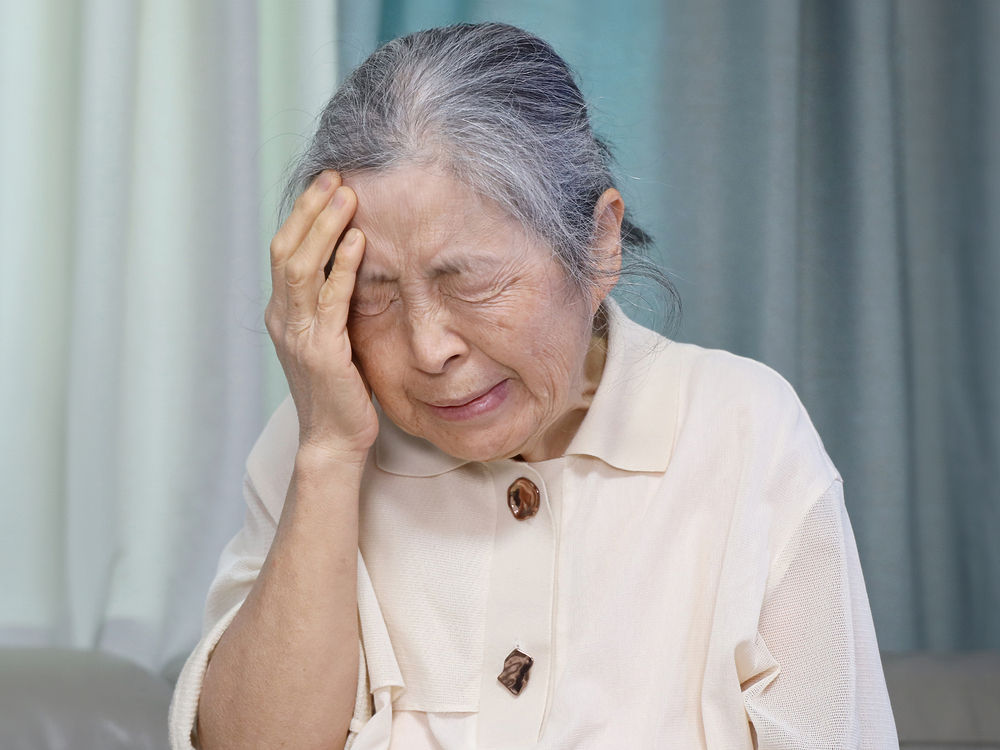
Chronic fatigue is such a common symptom that it is often left unaddressed. Just as there is no one in the world without stress, there is no one who has not experienced fatigue. However, fatigue varies greatly among individuals, so chronic fatigue should not be dismissed as a common symptom. In particular, extreme fatigue accompanied by weight loss can sometimes be a sign of cancer. Let’s explore the unexpected disease signals that chronic fatigue may indicate.
◆ Fatigue Lasting More Than 6 Months, ‘Chronic Fatigue Syndrome’
‘Chronic Fatigue Syndrome’ is one of the diseases that causes chronic fatigue and is diagnosed according to strict criteria. It can interfere with studies, work life, and interpersonal relationships, and in severe cases, individuals may succumb to despair due to the burden. In particular, fatigue lasting more than 6 months that persists despite adequate rest can occur. Symptoms such as decreased concentration, memory loss, sleep disorders, and musculoskeletal pain may accompany it. Symptoms such as weight loss, depression, anxiety, numbness or coldness in the hands and feet, dizziness, shortness of breath, loss of appetite, and indigestion may also appear.
◆ Fatigue Accompanied by Weight Loss, ‘Symptoms of Cancer’

Fatigue symptoms can suddenly appear and be severe enough to affect daily life from the start. If it worsens and persists over time, it is essential to see a doctor and identify the underlying disease. When cancers such as colon cancer or liver cancer progress, fatigue and weight loss commonly occur together. If chronic fatigue persists without a specific reason, suspecting cancer can aid in early detection.
◆ ‘Anemia, Diabetes, Thyroid, Kidney Disease’ Suspected
Chronic fatigue may be a signal that the body has developed a disease. Even if there are no specific diseases, if fatigue persists for a long time, it is advisable to confirm and treat it through testing. Diseases where fatigue is a primary symptom include severe anemia, diabetes, thyroid disease, kidney disease, tuberculosis, viral hepatitis, hypertension, and heart disease. Sleep disorders, rheumatic diseases, nutritional deficiencies, and obesity can also be common pathological causes of fatigue.
◆ Men in Their 50s Menopause, Hormonal Decrease Issues

Patients with chronic fatigue syndrome are most commonly in their 50s, followed by those in their 40s and 30s. This is an age when work-related stress and workload peak. In particular, men in their 40s and 50s often experience fatigue and weakness due to decreased male hormones caused by male menopause. The decrease in stress hormones from the adrenal glands, which are hormone-producing organs above the kidneys, can also be a cause. Waking up in the morning may not feel refreshing, leading to afternoon lethargy and drowsiness, as well as chronic fatigue.