Research results indicate that GLP-1 class drugs prescribed for weight loss do not just suppress appetite but also change overall food consumption. After using the drug, both household grocery spending and dining out expenses decreased simultaneously, with a notable reduction in ultra-processed food consumption.
This study, based on actual purchase records from tens of thousands of households in the United States, was published in December last year in the academic journal "Journal of Marketing Research". The research team connected survey data tracking GLP-1 drug usage with household transaction data to compare consumption changes over a year before and after drug use.
Simultaneous Decrease in Grocery and Dining Out Spending
Analysis showed that households that started using GLP-1 drugs saw an average decrease of 5.3% in grocery spending within six months. For high-income households, the decrease was even greater at 8.2%. Dining out was no exception. Spending at fast food restaurants, cafes, and quick-service restaurants decreased by about 8%, indicating that drug use affected both in-home and out-of-home meal consumption.
Main Items with Decreased Consumption are Ultra-Processed Foods
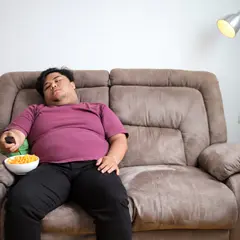
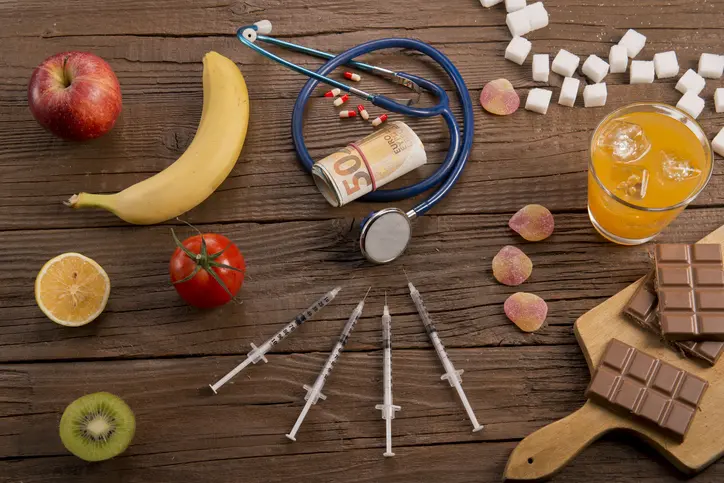
The main items with decreased consumption were calorie-dense ultra-processed foods. Consumption of salty snacks decreased by 10.1%, and similar declines were observed in sweet snacks, confectioneries, and cookies. Overall spending reductions were also observed in basic food groups such as bread, meat, and eggs.
Conversely, there were items with a slight increase in consumption. Yogurt showed the largest increase, and some categories like fresh fruits, nutrition bars, and jerky saw exceptional increases in consumption.
Effects Persist, Return to Original Patterns After Stopping Medication
Changes in food demand were largely maintained until the first year of drug use, but showed a tendency to ease somewhat after six months. In particular, households that stopped taking the medication reverted to previous consumption patterns, with a tendency for the composition of their grocery basket to show a lower proportion of healthy foods compared to before.
The research team stated, "There are clear changes in food spending after using GLP-1," but also noted, "If stopped, the impact diminishes, and it becomes difficult to distinguish from pre-use consumption patterns." Nevertheless, they added, "The expansion of GLP-1 use suggests the potential for significant changes in the long-term demand structure for snack and fast food-centered food consumption."