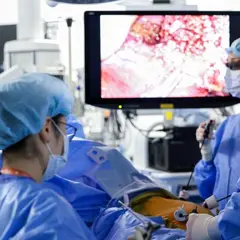
Stress is a no-go for elderly patients facing surgery. Particularly, research has shown that experiencing various stresses can lead to slower recovery and longer hospitalization for elderly patients after surgery.
According to recent research from Duke University School of Medicine, over 40% of elderly patients preparing for major surgeries, excluding heart or brain surgeries, experience moderate to high levels of stress. This is similar to the levels seen in patients with advanced cancer.
The research team analyzed that the 'number' of stressors perceived by the patient has a more decisive impact on postoperative recovery than the 'intensity' of stress. The findings revealed that for each additional stressor, the risk of elderly patients showing delirium symptoms after surgery increases by 19%.
Delirium is characterized by sudden onset of confusion, decreased attention, cognitive dysfunction, hallucinations, and delusions. It can occur due to infections or drug side effects after surgery and, unlike dementia, symptoms can fluctuate between worsening and improving within a single day.
This research (Mixed-methods Analysis of Preoperative Distress and Postoperative Outcomes in a Prospective, Observational Cohort of Older Adults) was published in the international journal 《Anesthesiology》 in January 2026.
These results suggest that the psychological state of elderly patients is closely linked to their physical resilience. Physiologically, stress raises cortisol levels in the body, disrupting the normal functioning of the immune system. Particularly in old age, individuals often experience a state of 'inflammatory aging,' where the body's ability to regulate external stimuli is weakened.
When under psychological pressure, the activity of cytokines that aid tissue regeneration at the surgical site can be easily disturbed, delaying wound healing. Research conducted by a team at Ohio State University, published in the international journal 《Psychosomatic Medicine》 in November 2025, found that psychological stress can delay the body's self-healing ability by up to 24%.
Elderly patients experiencing delirium after surgery are 3.5 times more likely to die or suffer severe complications.
Large-scale statistical analyses have also confirmed the risks of stress and resulting delirium. A research team from the University of Rochester analyzed over 5.5 million surgical cases and published their findings in the international journal 《JAMA Network Open》 in July 2025, revealing that elderly patients who experienced delirium after surgery were 3.5 times more likely to die or suffer severe complications compared to those who did not. Additionally, patients who experienced delirium were four times more likely to be sent to a nursing facility instead of going home after discharge, and their risk of death within 30 days increased by 2.8 times.
To increase the success rate of surgeries for elderly patients, warm cooperation from family members is essential. It is advisable to identify various stressors the patient feels before surgery and alleviate them. Experts emphasize that reducing the number of worries or stressors through preoperative counseling or emotional support is a shortcut to preventing delirium and complications that may arise after surgery.
[Frequently Asked Questions]
Q1. Why is the 'number of stressors' more dangerous than the 'intensity' of stress?
A1. According to the analysis by the Duke University research team, as the number of specific problems (financial burdens, absence of caregivers, fear of surgery, etc.) that the patient has to resolve or worry about increases, the brain and body's adaptive energy rapidly depletes, rather than a single strong stressor. In fact, a consistent correlation has been confirmed that the risk of delirium increases by 19% for each additional stressor.
Q2. How is postoperative 'delirium' different from dementia?
A2. The biggest difference lies in the duration and variability of symptoms. Dementia gradually worsens cognitive function over months or years, while delirium can suddenly occur within hours or days. Additionally, delirium shows fluctuations in symptoms that can rapidly improve or worsen throughout the day, and most patients can recover once the underlying causes such as stress, infection, or medication are resolved.
Q3. What practical help can families provide to reduce stress before surgery?
A3. It is important to break down the vague worries the patient feels and address them one by one. Rather than simply saying 'don't worry,' providing thorough explanations about the surgical process and sharing specific care plans post-surgery can physically eliminate anxiety factors (the number of stressors) and provide emotional and practical support, which greatly helps in preventing delirium.