Antibiotics, which target bacteria, do not work on viral infections like the common cold. Yet, many people still demand antibiotics from their doctors or insist on getting injections, saying, "Please make me better quickly." Of course, not all injections are antibiotics.
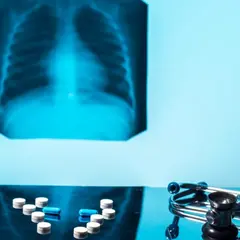
Research has shown that antibiotics not only fail to treat colds and rhinitis but also increase the risk of side effects in adult patients. A research team from the University of Auckland in New Zealand reported these findings from a study involving over 1,800 cold patients. This serves as a warning against the incorrect practices in treating colds.
According to the study, antibiotics have no effect on treating colds and acute purulent rhinitis and actually increase the risk of side effects in adult patients. In children with colds, antibiotics did not significantly increase the risk of side effects. The research team emphasized that "the misuse of antibiotics can lead to serious antibiotic resistance issues where the medication becomes ineffective," and that the practice of prescribing antibiotics for cold treatment should be completely eliminated.
This research (Antibiotics for the common cold and acute purulent rhinitis) was published in the international journal 《Cochrane Database of Systematic Reviews》.
The common cold is the most prevalent acute upper respiratory infection worldwide. Adults are known to catch colds 2 to 4 times a year on average, while children catch colds 6 to 8 times a year. The main causes are over 200 types of viruses, including rhinoviruses, coronaviruses, and RSV, and they generally recover naturally within 7 to 10 days. However, if symptoms persist or bacterial complications arise, professional treatment is necessary. According to domestic statistics, over 30% of outpatient visits in winter are due to cold-related symptoms, and a significant number of these patients receive antibiotic prescriptions. However, since most colds are viral infections, it has been pointed out that unnecessary antibiotic prescriptions are too common.
Previous research has identified side effects of antibiotics, including gastrointestinal issues (diarrhea, abdominal pain, nausea, vomiting, etc.), skin and systemic reactions (skin rashes, headaches, fatigue, etc.), and reproductive-related side effects (such as vaginitis in women). Antibiotics disrupt the balance of beneficial bacteria in the gut. A comparative analysis of patients taking antibiotics versus those taking placebos showed that the risk of side effects in adult cold patients taking antibiotics was about 2.6 times higher than in those taking placebos.
When cold patients receive injections of pain relievers, antipyretics, anti-inflammatory drugs, or vitamin supplements, it may help alleviate cold symptoms or provide some energy. However, contrary to the misconceptions of some patients, these injections do not directly treat colds or eliminate viruses. They only help reduce uncomfortable symptoms like fever, pain, and fatigue, making recovery more comfortable. The most important treatments for colds are adequate rest, hydration, and immune system management. Medications are taken as a response to symptoms, such as taking antipyretics when experiencing a high fever.
Nevertheless, in actual clinical settings, cases of cold patients demanding antibiotics or injections from doctors have not disappeared. When experiencing yellow nasal discharge or severe coughing, they mistakenly believe they have a bacterial infection and request antibiotics, but most cases are viral colds, making antibiotics ineffective. From the medical staff's perspective, it is often difficult to outright refuse patient requests, and sometimes antibiotics are prescribed to consider patient satisfaction. This leads to antibiotic misuse. Antibiotics do not help improve cold symptoms and instead exacerbate side effects and resistance issues, so both patients and medical staff need to thoroughly change their misconceptions.
Foods that help in cold recovery include warm broth or chicken soup, garlic, yogurt, fruits rich in vitamin C, leafy greens and broccoli, oatmeal, and spices like pepper and horseradish. These foods help strengthen the immune system and alleviate symptoms. In particular, they promote recovery in cold patients through hydration and antioxidant effects. In contrast, alcohol, caffeinated beverages, and processed foods can weaken the immune system and worsen symptoms.
To prevent colds, managing lifestyle habits is crucial. It is essential to wash hands for at least 30 seconds after going out, before and after meals, and after using the restroom. It is advisable to ventilate indoor spaces three times a day for at least 10 minutes. Maintaining indoor humidity between 40-60% can protect the nasal mucosa. Masks should be worn in public transport or crowded spaces. Adults should ensure at least 7 hours of sleep per night, while children should get 8-9 hours of sufficient sleep. Regular aerobic exercise that makes you slightly sweat is also beneficial for strengthening the immune system. Flu vaccinations are especially essential for the elderly and children.
Meanwhile, injections are not entirely useless. Pain reliever and antipyretic injections can alleviate high fever, severe headaches, and muscle pain, making it easier to rest. Anti-inflammatory injections can help reduce symptoms like sore throat and nasal congestion by decreasing inflammatory responses. Vitamin injections can help strengthen the immune system and recover from fatigue, but they do not have a direct effect on treating colds. Hydration injections can help replenish fluids and electrolytes when dehydration or systemic fatigue is severe. However, it should be remembered that they are merely supplementary measures.
This study and the realities in the field call for a shift in social perception regarding cold treatment. Most colds are viral infections. Antibiotics have no effect on colds. They only cause side effects and resistance issues. The key to treating colds lies in adequate rest, hydration, immune-boosting foods, and managing lifestyle habits. We must wisely cope with the unwelcome guest of winter, the common cold.
[Frequently Asked Questions]
Q1. What lifestyle habits should be maintained to prevent colds?
A1. Washing hands after going out, ventilating at least three times a day, maintaining indoor humidity between 40-60%, wearing masks, ensuring sufficient sleep, and regular exercise are fundamental. Especially in winter, it is important to reduce the risk of infection through flu vaccinations.
Q2. Will taking antibiotics when I catch a cold help me recover faster?
A2. No, it will not. Most colds are viral infections, and antibiotics are ineffective; they can actually increase the risk of side effects in adults. Antibiotics are only effective against bacterial infections, so they are not recommended for cold treatment.
Q3. What foods can help prevent or aid recovery from a cold?
A3. Warm broth or chicken soup is good for hydration and soothing sore throats, while garlic and yogurt strengthen the immune system. Fruits rich in vitamin C like tangerines, strawberries, and tomatoes, as well as broccoli and leafy greens, help with antioxidant effects. Oatmeal and spices also positively impact recovery.